I still remember the exact moment I realized my apartment had a “personality”—and by personality, I mean it smelled like a mix of old gym socks and burnt garlic from a failed attempt at homemade pesto. I was sitting on my rug, trying to enjoy a quiet evening, when that unmistakable, stale scent hit me. It’s that frustrating realization that no matter how many expensive, flowery candles you light, you aren’t actually solving the problem; you’re just masking it. If you’ve ever felt like you’re fighting a losing battle against lingering scents, trust me, I’ve been there. Learning how to get rid of household odors shouldn’t require a degree in chemistry or a massive budget for boutique air fresheners.
Look, I’m not here to sell you on some “miracle” spray that costs twenty bucks a bottle. My goal is to cut through the marketing fluff and give you the straightforward, practical tactics that actually work. Think of this as your recipe for a fresh home: we’re going to focus on the core ingredients—cleaning the source and neutralizing the air—rather than just adding more spice to a bad dish. I’m going to share the exact methods I use to keep my own space smelling clean and balanced, using simple tools you likely already have in your pantry.
Table of Contents
Eliminating Kitchen Smells With Practical Real World Tactics
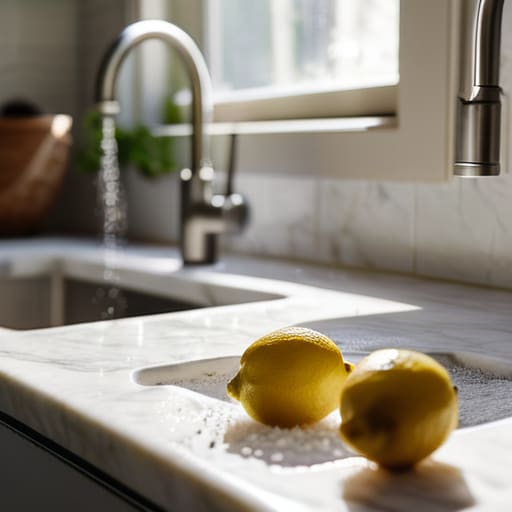
Let’s be real: the kitchen is the heart of the home, but it’s also the primary suspect when things start smelling a little… funky. Whether it’s the lingering ghost of last night’s garlic shrimp or that mysterious scent emanating from the bottom of the crisper drawer, eliminating kitchen smells requires more than just spraying a floral mist and hoping for the best. Think of it like making a delicate soufflé; if you don’t address the base ingredients, the whole thing collapses. I always start by tackling the source—scrubbing the sink drain with a bit of coarse salt and lemon to cut through the grime.
If the scent is still hanging around like an uninvited guest, it’s time to bring out the heavy hitters. I’m a huge fan of using a baking soda odor absorber tucked away in the pantry or near the trash bin. It’s basically the “secret sauce” of kitchen maintenance. For a more proactive approach, you can even whip up a quick natural air freshener DIY by simmering a small pot of water with cinnamon sticks and orange peels on the stove. It’s simple, effective, and makes your house smell like a cozy bakery rather than a science experiment gone wrong.
Neutralizing Pet Odors for a More Balanced Home

If you’re a fellow pet parent like me, you know that the “doggy scent” can sometimes feel less like a cozy vibe and more like a permanent resident in your living room. It’s not that our furry friends aren’t amazing—they are—but between the muddy paws and the occasional “accident,” our homes can start to smell a bit… well, animalistic. To get things back on track, I’ve found that neutralizing pet odors requires more than just a quick spray of heavy perfume, which usually just ends up smelling like a floral zoo.
Instead, I like to treat my carpets like a slow-cooked stew; you have to address the base layers to get the flavor right. For those stubborn spots, I highly recommend a heavy dusting of a baking soda odor absorber before you even touch the vacuum. Let it sit for a bit to soak up the moisture and scent, then vacuum it up. If you’re dealing with deeper issues, cleaning smelly carpets with an enzyme-based cleaner is a total game-changer. It actually breaks down the organic matter rather than just masking it, which is the secret sauce to a truly fresh home.
The "Secret Sauce" for a Fresh-Smelling Home: 5 Quick Wins
- Let’s talk about the heavy hitters: baking soda. Think of it like a kitchen sponge for smells; instead of just masking a scent with a heavy floral spray, sprinkle some baking soda on your carpets or inside your fridge. It actually absorbs the odor molecules rather than just layering perfume on top of them.
- Don’t underestimate the power of a good old-fashioned deep clean for your textiles. Your curtains, throw pillows, and even area rugs act like giant scent magnets, soaking up everything from cooking aromas to dust. Giving them a good wash or a thorough vacuuming is like hitting the reset button on your room’s atmosphere.
- Airflow is your best friend here. If you’ve been simmering a spicy chili or just feel like the air is a bit “stale,” crack those windows open. Even ten minutes of a cross-breeze can do more for your home’s freshness than any expensive plug-in air freshener ever could.
- Check your trash habits, especially in the warmer months. It sounds basic, but a quick rinse of your kitchen bin with some soapy water can prevent that lingering “old garbage” funk from seeping into the plastic. It’s a small step, but it makes a massive difference in how your whole kitchen feels.
- For those of us who love a cozy vibe, remember that scented candles and essential oil diffusers should be the garnish, not the main course. Use them to add a pleasant note after you’ve addressed the source of the smell. It’s like adding salt to a dish—it only works if the base ingredients are solid!
Quick Wins for a Fresh-Smelling Home
Think of odor control like prepping a recipe; you can’t just add a heavy garnish of air freshener to mask the smell—you have to address the “base ingredients” by cleaning the actual source of the scent first.
Focus on high-traffic zones like the kitchen and pet areas using targeted, practical methods rather than relying on generic sprays that just move the problem around.
Consistency is your best friend; small, regular habits like wiping down surfaces and managing waste are much easier (and more effective) than a massive deep-clean once a month.
## The Secret Sauce to a Fresh Home
“Think of tackling household odors like perfecting a complex sourdough recipe; you can’t just throw a handful of baking soda at the problem and hope for the best. It’s about understanding the ingredients of the scent, addressing the source, and layering in the right practical habits to keep your space feeling balanced and bright.”
Morgan Bennett
Fresh Starts and Simple Wins
At the end of the day, tackling those stubborn smells isn’t about buying every expensive, neon-colored spray on the supermarket shelf. It’s really about being a bit more intentional with how we manage our spaces—whether that’s tackling a lingering garlic scent in the kitchen with some baking soda or keeping up with a consistent cleaning routine for our furry friends. Think of it like prepping ingredients for a great meal; if you handle the small, messy bits as they happen, the final result is much smoother. By focusing on practical, consistent habits rather than quick-fix miracles, you can keep your home smelling less like a science experiment and more like the sanctuary you deserve.
I know that sometimes life feels a little overwhelming, and cleaning up a scent issue can feel like just one more thing on an endless to-do list. But remember, your home is your base of operations, the place where you recharge and find your center. Taking these small steps to refresh your environment is a way of investing in your own peace of mind. Don’t feel like you have to tackle everything at once; just pick one area, try one trick, and enjoy that instant sense of accomplishment. You’ve got this, and I’m right here in your corner, decoding these little life hurdles one step at a time!
Frequently Asked Questions
Are there any natural essential oils or scents I should avoid if I have sensitive pets or small kids?
This is such a crucial question—think of it like adding spices to a dish; too much of the wrong kind can ruin the whole meal. If you have little ones or sensitive pets, steer clear of tea tree, peppermint, and eucalyptus. They can be surprisingly harsh on tiny lungs and paws. Stick to milder, kid-friendly scents like lavender or sweet orange, but always test a small area first to keep your home safe and cozy.
How can I tell if a lingering smell is just a surface issue or if it’s actually a sign of something hidden like mold or a plumbing leak?
This is where things get a little tricky, kind of like trying to figure out if a weird taste in a stew is just too much garlic or if the milk actually went bad. If a smell vanishes after a deep clean, you’re likely in the clear. But if that funky scent keeps creeping back despite your best efforts—or if it smells musty, earthy, or metallic—it’s a red flag. That’s usually a sign of something hidden, like mold or a slow leak, lurking behind your walls.
I’ve tried baking soda and scented candles, but the smell always comes back—is there a way to actually stop the odors from returning in the first place?
I totally get that frustration—it’s like trying to fix a leaky faucet by just mopping up the puddle. Baking soda and candles are great “band-aids,” but they don’t fix the source. Think of it like making a stew: if you use spoiled meat, no amount of extra salt will save the flavor. To stop the cycle, you have to find the “spoiled ingredient”—whether that’s a hidden mold patch, a clogged drain, or poor airflow—and neutralize it at the root.