I remember sitting on my living room floor last Tuesday, surrounded by a literal mountain of mail, old tax returns, and random receipts, feeling like I was drowning in a sea of dead trees. There I was, a former project manager, completely defeated by a stack of envelopes. It’s that specific, heavy feeling of mental clutter that hits you when you realize you have no idea where your birth certificate is or why you’re holding a utility bill from 2019. Most people think they need a high-tech scanning system or a $200 filing cabinet to figure out how to organize paperwork, but honestly? That’s just adding more junk to the pile.
I’m not here to sell you on some complicated, over-engineered system that takes three hours a week to maintain. Instead, I want to share the stripped-back, no-nonsense methods I’ve developed to turn that chaotic paper storm into something actually manageable. We’re going to skip the expensive fluff and focus on practical, real-world steps that fit into a busy life. By the end of this, you’ll have a clear roadmap to reclaim your space and, more importantly, your sanity.
Table of Contents
Sorting Important Documents for Real World Efficiency
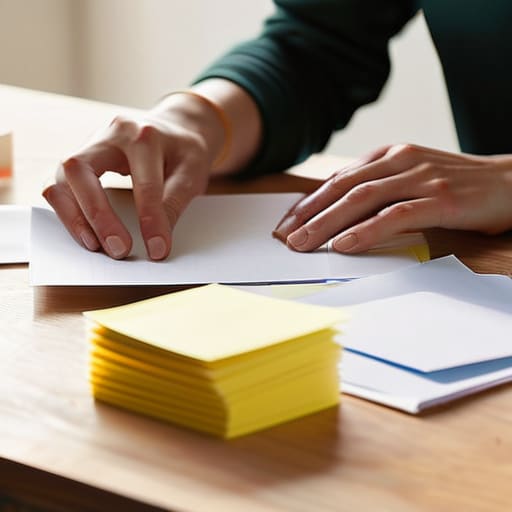
Think of this stage like prepping ingredients for a massive Sunday roast. If you just throw everything into the pot at once, you’re going to end up with a mess. You need to separate the “spices” you use every day from the “heavy tubers” that sit in the pantry for months. Start by creating a few distinct piles: things that need immediate action, things to keep for the long haul, and—most importantly—the stuff that’s just taking up mental space. This initial phase of sorting important documents is where most people stumble, but once you categorize them, the momentum really starts to build.
Once you’ve got your piles, it’s time to decide on their permanent homes. For the heavy hitters like birth certificates or property deeds, I’m a big fan of traditional filing cabinet organization paired with a backup. However, for the everyday stuff, don’t be afraid to lean into digital document scanning. Converting those random utility bills or manuals into PDFs saves a massive amount of physical real estate and makes searching for them a breeze later on. It’s all about finding that sweet spot between physical accessibility and digital ease.
Paperwork Decluttering Tips to Reclaim Your Mental Space
If you’re feeling like your desk is a graveyard for old receipts and random envelopes, you aren’t alone. Think of your clutter like an overstuffed pantry; if you keep shoving things in without checking expiration dates, eventually, you won’t even be able to find the salt. To get started, I recommend a “one-touch” rule. Instead of moving a piece of mail from the counter to a pile, decide its fate immediately: shred it, file it, or act on it. These small paperwork decluttering tips are all about reducing the “mental noise” that comes from seeing a mess every time you sit down to work.
Once you’ve cleared the surface, it’s time to think about the long game. I’m a big fan of hybrid systems. While a physical filing cabinet organization setup is great for things like birth certificates or car titles, most of your everyday stuff should live in the cloud. Investing some time in digital document scanning can be a total game-changer. It’s like moving from a bulky, disorganized cookbook to a sleek tablet—everything is searchable, lightweight, and much harder to lose when you’re in a rush.
My Secret Sauce for Keeping the Paper Chaos at Bay
- Grab a “triage” tray for your entryway. Think of it like a prep station in a kitchen; instead of letting mail scatter across the dining table like spilled flour, everything lands in one designated spot for immediate sorting.
- Go digital where you can to thin out the herd. If it’s a receipt for a toaster you bought six months ago, scan it with your phone and toss the physical copy. It’s like swapping heavy, bulky cookbooks for a sleek tablet—much less clutter, same great results.
- Color-code your filing system to save your future self some serious brainpower. Use bright folders for “Action Required” (the spicy stuff) and calming blues for “Tax & Legal” (the heavy lifting). It makes finding what you need feel less like a scavenger hunt and more like a breeze.
- Set a “Paperwork Power Hour” once a week. Don’t let it pile up into a mountain; just spend sixty minutes tackling the stack. It’s much easier to simmer a small pot of paperwork than to try and manage a massive, overwhelming feast all at once.
- Create a “Keep, Shred, or Toss” ritual for every single piece of paper that enters your home. If you wouldn’t want to look at it again in a year, it doesn’t deserve a permanent seat at your table. Keep the essentials, shred the sensitive stuff, and toss the rest.
The Quick Cheat Sheet for a Paper-Free Life
Don’t treat every scrap of paper like a precious heirloom; if it doesn’t have legal, financial, or sentimental value, it’s probably just clutter waiting to happen.
Think of your filing system like a well-stocked pantry—you need clear categories and easy access so you aren’t digging through the “expired” junk just to find the “ingredients” you need for a mortgage payment.
Consistency beats intensity every single time, so try setting aside just ten minutes a week to process new mail rather than letting it pile up into a mountain you’ll eventually dread tackling.
The Secret Sauce to a Clear Desk
“Think of your paperwork like a messy kitchen pantry; if you don’t group your spices and clear out the expired stuff, you’ll spend more time searching for ingredients than actually cooking the meal. Organizing your documents isn’t just about tidying up—it’s about making sure you have exactly what you need, right when life decides to throw you a curveball.”
Morgan Bennett
Reclaiming Your Peace of Mind
At the end of the day, organizing your paperwork isn’t just about finding a place for that random utility bill or that tax form from 2021; it’s about building a system that actually serves your life rather than draining your energy. We’ve covered everything from the heavy lifting of sorting your most vital documents to the smaller, daily habits that keep the clutter from creeping back in. Think of it like prepping your ingredients before you start cooking—once you have your station set up and your mise en place ready, the actual “cooking” of your daily life becomes so much smoother. By implementing these simple, practical strategies, you’re effectively clearing the mental fog that comes with living in a sea of unmanaged paper.
I know it can feel overwhelming when you’re staring at that initial mountain of envelopes and folders, but remember that you don’t have to tackle the whole thing in one afternoon. Start small, be consistent, and give yourself some grace along the way. The goal isn’t perfection—it’s progress and the freedom to breathe easier in your own home. You’ve got this! Once you break through that initial barrier, you’ll realize that a little bit of organization goes a long way in transforming your daily routine from chaotic to controlled. Let’s keep decoding these life complexities together, one folder at a time.
Frequently Asked Questions
What’s the best way to handle sensitive documents like birth certificates or social security cards so they're safe but still easy to find?
Think of your most sensitive docs like the secret spices in a family recipe—you can’t just leave them sitting on the counter where anyone can grab them, but if you bury them in the back of the pantry, you’ll never find them when you actually need them. I swear by a fireproof, waterproof safe tucked away in a discreet spot. It keeps the “heavy hitters” secure from disasters while staying organized enough to grab in a pinch.
How often should I actually be going through my files to make sure the system doesn't turn back into a paper nightmare?
Think of your filing system like a sourdough starter—if you ignore it for too long, things get sour and messy fast. I like to do a “micro-sweep” once a week (takes ten minutes, tops) to catch the new stuff. Then, I set a calendar alert for a deeper quarterly reset. It’s much easier to maintain a tidy kitchen by wiping the counters daily than by trying to scrub a grease-covered stove once a year!
Is it worth it to scan everything into a digital format, or should I stick to keeping physical copies for most of my important stuff?
Think of it like making a sourdough starter: you need the core ingredients, but you don’t need the entire bag of flour sitting on your counter. I’m a huge fan of the “hybrid approach.” Scan the stuff you need to reference often—receipts, manuals, or old tax docs—to save space. But for the heavy hitters like birth certificates or property deeds? Keep those physical. Some things are just too important to trust solely to a cloud backup.