I remember sitting at my old desk in the corporate world, staring at a “productivity planner” that cost more than my weekly grocery bill, feeling like a total failure because I couldn’t stick to a 5:00 AM wake-up call. It felt like everyone was selling this magical, high-octane version of self-improvement that required a complete personality transplant. But here’s the truth: most of the advice out there regarding building good habits is just overpriced noise designed to make you feel like you aren’t doing enough. We’ve been conditioned to think that if a change isn’t radical and exhausting, it isn’t working, and honestly? That’s a recipe for burnout, not progress.
I’m not here to sell you on a “life-changing” morning ritual that involves ice baths and three hours of meditation. Instead, I want to share the actual, messy, and slightly unglamorous framework I used to transition from a burnt-out project manager to someone who actually enjoys their daily routine. We’re going to focus on small, sustainable shifts that fit into your real life—not some idealized version of it. Think of it like perfecting a family recipe; you don’t throw the whole kitchen in the trash, you just tweak the seasoning until it finally tastes right.
Table of Contents
Mastering the Cue Routine Reward Loop

To really get a grip on this, we have to look under the hood at how our brains actually process repetition. Think of the cue routine reward loop as the secret recipe for every single thing you do, from brushing your teeth to mindlessly scrolling through your phone. It starts with a cue—a trigger like your morning alarm or the smell of coffee—which kicks off your routine, the action you take. Finally, you get the reward, that little hit of dopamine that tells your brain, “Hey, that felt good, let’s do it again.”
Understanding the neuroscience of habit formation isn’t just for people in lab coats; it’s the ultimate cheat code for our daily lives. If you want to swap a late-night snack binge for a quick meditation session, you have to manipulate these three stages. You can’t just rely on sheer willpower, which is a finite resource that runs out by 5:00 PM. Instead, you need to engineer your environment so the cues for your new, better behaviors are impossible to miss, while the triggers for your old ones are tucked away out of sight.
Applying Atomic Habits Principles to Daily Life
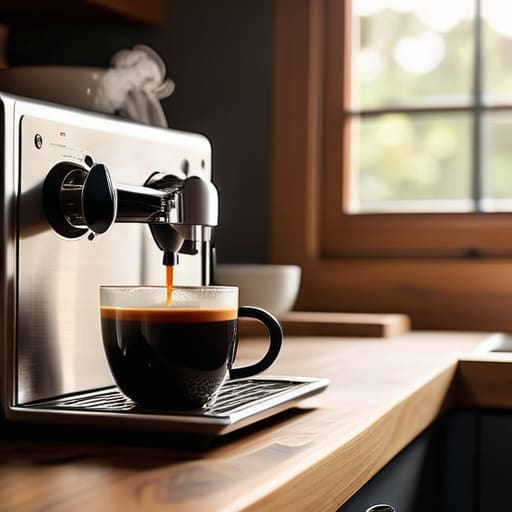
Now, let’s get down to the brass tacks of how this actually works in the real world. It’s one thing to understand the theory, but it’s another thing entirely to actually change how you live. Think of it like trying to master a complicated sourdough recipe; you don’t just throw flour in a bowl and hope for the best. You need a system. One of my favorite ways to bridge that gap is through habit stacking techniques. This is where you take something you already do without thinking—like brewing your morning coffee—and anchor a new behavior right onto it. If you want to start meditating, try doing it while the coffee machine is running. You’re essentially piggybacking on an existing neural pathway to make the new one stick.
Of course, it isn’t always smooth sailing. We’ve all had those days where we fall off the wagon. When you’re navigating the behavioral change psychology behind your actions, remember that perfection is the enemy of progress. If you miss a day, don’t scrap the whole project. Just get back to the recipe the next morning. It’s all about that long-term rhythm, not a single perfect performance.
Five Ways to Stop Overthinking and Start Doing
- Start ridiculously small. If you want to start a reading habit, don’t aim for an hour a night; aim for one single page. Think of it like seasoning a soup—you don’t dump the whole salt shaker in at once or you’ll ruin the whole batch. You add a pinch, taste it, and adjust. Small wins build the momentum you need to actually keep going.
- Use habit stacking to your advantage. Instead of trying to conjure a new habit out of thin air, anchor it to something you already do without thinking. If you already brew coffee every morning, tell yourself, “After I pour my coffee, I will write down my top three priorities for the day.” You’re basically using an existing recipe to make a new dish much easier to prep.
- Design your environment to make the good stuff easy and the bad stuff hard. If you want to eat more fruit, put it right on the kitchen counter where you can see it, not buried in the bottom drawer of the fridge. Conversely, if you’re trying to scroll less, put your phone in another room when you’re working. Make the “right” choice the path of least resistance.
- Don’t let a single slip-up turn into a total collapse. We’ve all been there—you miss one day of the gym and suddenly feel like the whole mission is compromised. Look, life happens. If you drop an egg while cooking, you don’t throw the whole meal in the trash; you just clean it up and keep going. Just get back on track at the next opportunity.
- Focus on identity, not just outcomes. Instead of saying “I’m trying to run more,” try telling yourself “I’m a runner.” When you shift your mindset from something you do to something you are, your habits start to feel less like a chore and more like a natural expression of who you are. It’s the difference between following a strict diet and just being someone who eats well.
The Secret Sauce to Making It Stick
Stop trying to overhaul your entire life overnight; think of it like adding seasoning to a soup rather than trying to cook a five-course meal from scratch. Start with tiny, almost ridiculously easy changes that actually fit into your existing schedule.
Focus on the “why” behind your triggers. Once you understand what’s actually sparking your habits—whether it’s stress, boredom, or just a specific time of day—you can stop fighting your environment and start designing it to work for you.
Build in some immediate wins to keep the momentum going. Habit loops fail when the “reward” feels miles away, so find small, instant ways to celebrate your progress so your brain actually wants to show up for the next round.
The Secret Sauce of Consistency
“Think of building a habit like perfecting a slow-cooked stew; you don’t get a masterpiece by cranking up the heat to a hundred degrees for five minutes, but by letting the small, consistent ingredients simmer steadily every single day.”
Morgan Bennett
The Long Game: Small Wins, Big Results

At the end of the day, building habits isn’t about some overnight transformation or a sudden burst of superhuman willpower. It’s really about understanding that tiny loop of cue, routine, and reward that runs in the background of your life. We’ve talked about how to hack those triggers and how to apply those atomic principles to your actual, messy, real-world schedule. Think of it like perfecting a sourdough starter; you can’t rush the fermentation, but if you keep the environment right and stay consistent with the small steps, the result eventually becomes something effortlessly delicious. Don’t get discouraged if a day goes sideways—just focus on the system, not the perfection.
I know that starting something new can feel a bit daunting, like staring at a massive, unorganized pantry and wondering where to even begin. But remember, you don’t need to overhaul your entire existence by Monday morning. Just pick one small thing, one tiny tweak, and let it simmer. You have more agency over your daily rhythm than you might think, and I truly believe that these small, intentional shifts are what eventually lead to a life that feels purposefully designed rather than just lived by accident. You’ve got this, and I’m rooting for you every step of the way.
Frequently Asked Questions
I’ve tried starting new habits before, but I always seem to fizzle out after two weeks—how do I stop that cycle of starting and stopping?
Honestly, I’ve been there. It’s like trying to bake a complex soufflé when you haven’t even mastered boiling water yet—you get overwhelmed and just quit. The mistake most of us make is trying to go “all in” on day one. Instead of a total lifestyle overhaul, try the “two-minute rule.” Make the habit so ridiculously easy that it’s harder to skip it than to just do it. Small wins build the momentum you actually need.
How do I know if a bad habit is actually a "cue" problem or if I just don't have enough willpower to fight it?
Think of it like baking a cake: if the oven isn’t heating up, you don’t just stand there trying to “will” the batter to rise. You check the settings. If you find yourself reaching for junk food every time you sit at your desk, that’s a cue problem—your brain has linked “work stress” to “sugar.” If you can control your environment but still cave when no triggers are present, that’s when we talk willpower.
Is it better to focus on changing one big habit at a time, or should I try layering several small ones together like a recipe?
Think of it like making a complex sourdough: if you try to master the starter, the hydration, and the scoring all on day one, you’re going to end up with a kitchen disaster. I’m a big believer in the “one big thing” approach first. Nail one habit until it feels automatic, then start layering in smaller ones. It’s much easier to build a solid foundation than to try and cook a five-course meal all at once.