I remember sitting in my old cubicle three years ago, staring at a mountain of project spreadsheets while my brain felt like it was stuck in a thick, midday fog. I had all the fancy productivity planners and the expensive “focus” apps, but nothing worked because I was treating discipline like a marathon I had to run without training. Most of the advice out there on how to be more disciplined is just a recipe for burnout—it’s like trying to bake a soufflé by turning the oven up to 500 degrees and hoping for the best. It’s loud, it’s stressful, and it never actually works.
I’m not here to sell you on some overnight transformation or a “hustle harder” mentality that leaves you exhausted by Tuesday. Instead, I want to share the practical, low-stress frameworks I’ve used to rebuild my focus from the ground up. We’re going to skip the fluff and dive into real-world tactics that actually stick, even on your worst days. Consider this my no-nonsense contract with you: we’re going to decode the chaos and find a way to get things done that actually feels sustainable.
Table of Contents
- Mastering Self Control Through Practical Mental Toughness
- Overcoming Procrastination Techniques for Real World Results
- The Secret Sauce: 5 Small Shifts to Build Unshakeable Discipline
- The Quick Cheat Sheet for Staying on Track
- The Secret Sauce of Consistency
- The Long Game: Building Your Discipline Muscle
- Frequently Asked Questions
Mastering Self Control Through Practical Mental Toughness
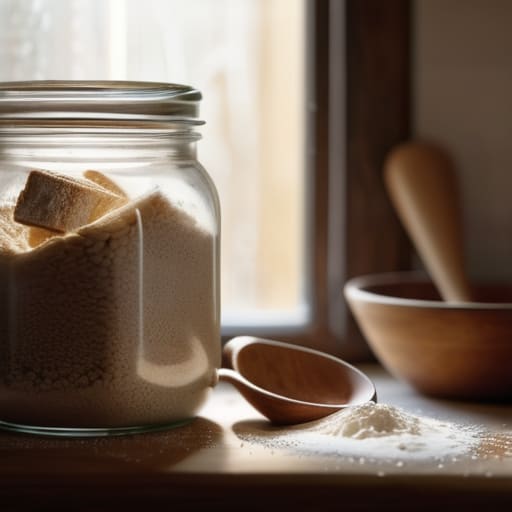
Think of your mental toughness like a sourdough starter. You can’t just walk into the kitchen, throw some flour on the counter, and expect a perfect loaf five minutes later. It requires consistent feeding, the right environment, and a whole lot of patience. When we talk about developing willpower and mental toughness, we aren’t talking about some overnight superhero transformation. We’re talking about the small, often boring choices you make when no one is watching—like choosing the salad over the extra slice of pizza or finally opening that spreadsheet instead of scrolling through TikTok.
To actually make this stick, you have to stop treating self-control like a finite battery that just runs out by 4:00 PM. Instead, view it as a muscle you’re training. One of my favorite habit formation strategies is to start with “micro-wins.” If you try to overhaul your entire life on a Monday, you’ll likely crash by Wednesday. Instead, focus on mastering self-control in one specific area first. Once you prove to yourself that you can win that small battle, the bigger stuff starts to feel a lot less intimidating.
Overcoming Procrastination Techniques for Real World Results

If we’re being honest, procrastination isn’t usually about being “lazy”—it’s more like your brain is trying to protect you from something that feels overwhelming or boring. It’s like when you see a massive, complicated recipe with fifty ingredients; instead of cooking, you just end up ordering pizza because the sheer scale of the task feels paralyzing. To combat this, I’ve found that overcoming procrastination techniques works best when you stop looking at the whole mountain and just focus on the next three steps. I like to use the “five-minute rule”: tell yourself you’ll only work on the task for five minutes. Usually, once the timer hits, the friction is gone and you’re already in the flow.
Another game-changer for me has been integrating habit formation strategies into my morning. Instead of relying on a sudden burst of inspiration—which is about as reliable as a cheap toaster—I focus on building a predictable daily routine for productivity. By automating the small stuff, like where your keys go or when you check your emails, you save your mental energy for the big, heavy lifting. It’s all about reducing the number of decisions you have to make before noon.
The Secret Sauce: 5 Small Shifts to Build Unshakeable Discipline
- Stop aiming for a total life overhaul. Think of discipline like a new sourdough starter; if you try to bake a massive loaf on day one without any prep, you’re going to end up with a literal brick. Start with “micro-habits”—tasks so small they feel almost silly to skip, like doing just five minutes of tidying or reading two pages of a book. It’s about building the muscle, not winning the marathon right out of the gate.
- Audit your environment like you’re prepping a kitchen for a dinner party. If you want to eat healthier but your pantry is a graveyard of processed snacks, you’re fighting a losing battle. Discipline is a finite resource, and we shouldn’t waste it on resisting temptation that shouldn’t be there in the first place. If your phone is your biggest distraction, put it in another room when you need to focus. Make the “good” habits easy to access and the “bad” ones a total pain to reach.
- Build a “low-friction” routine. We often fail at discipline because our plans are too rigid, leaving no room for when life inevitably gets messy. Instead of a terrifyingly strict schedule, try “time-blocking” with wiggle room. If you know you need to work on a project, block out an hour, but give yourself a 15-minute grace period. It’s much better to have a flexible plan that actually happens than a perfect one that you abandon the moment you hit a snag.
- Learn to embrace the “uncomfortable middle.” Most people think discipline is about feeling motivated, but motivation is a fair-weather friend—it disappears the second things get hard or boring. Real discipline kicks in during that awkward gap between starting a task and actually feeling the satisfaction of finishing it. When you feel that urge to quit because the “newness” has worn off, just tell yourself you’ll do five more minutes. Usually, that’s enough to break the resistance.
- Forgive yourself and recalibrate immediately. This is the big one. I used to think that if I missed a day of my routine, the whole week was a wash. That’s like dropping a pinch of salt in a soup and deciding to just throw the whole pot in the trash. If you slip up, don’t spiral into a shame cycle. Acknowledge it, figure out what tripped you up, and get back on track with your very next decision. Consistency isn’t about being perfect; it’s about how quickly you get back up.
The Quick Cheat Sheet for Staying on Track
Think of discipline like a slow-cooker recipe rather than a microwave meal; it’s about setting the right conditions and letting the process work over time instead of looking for instant gratification.
Stop waiting for “motivation” to strike like a lightning bolt—it’s unreliable. Instead, build small, repeatable systems that make doing the right thing easier than doing the wrong thing.
Forgive yourself when you slip up. Getting off track is just a minor kitchen mishap, not a reason to throw the whole meal away; just pivot and get back to your routine immediately.
The Secret Sauce of Consistency
“Think of discipline like a slow-cooked stew rather than a microwave meal; you can’t rush the process by cranking up the heat, but if you show up every single day and keep the simmer steady, the results are going to be way more satisfying than any quick fix could ever be.”
Morgan Bennett
The Long Game: Building Your Discipline Muscle

Look, we’ve covered a lot of ground today—from building that mental toughness to finally getting a handle on the procrastination monster that keeps us hitting snooze on our goals. If there’s one thing I want you to take away, it’s that discipline isn’t some magical gift you’re either born with or you aren’t. It’s much more like perfecting a sourdough starter; you can’t just rush it, and you certainly can’t expect it to work if you ignore it for a week. It’s about those small, consistent wins—the tiny, daily choices to stay on track even when your brain is screaming for a distraction. By focusing on practical, repeatable systems rather than just relying on raw willpower, you’re setting yourself up for a much smoother ride.
As you head back out into the chaos of your daily routine, please remember to be kind to yourself. You’re going to have days where the recipe fails and everything feels like a mess, and that is perfectly okay. The goal isn’t to be a robot; it’s to be someone who gets back up every single time they slip. Discipline is a marathon, not a sprint, and every small step you take is building a stronger, more capable version of you. So, take a deep breath, pick one small thing to tackle right now, and just start where you are. You’ve totally got this.
Frequently Asked Questions
How do I stay disciplined when I’m feeling completely burnt out or mentally exhausted?
Look, I get it. Sometimes discipline feels like trying to bake a soufflé when you haven’t even slept in twenty-four hours—it’s just not happening. When you’re running on empty, don’t try to climb a mountain; just focus on the next single step. Switch to “maintenance mode.” Lower the bar, strip your tasks down to the absolute essentials, and give yourself permission to rest. Real discipline sometimes means knowing when to recharge so you don’t crash completely.
Is it possible to build discipline if I’ve spent my whole life being a chronic procrastinator?
Look, I’ve been there. If procrastination were an Olympic sport, I’d have a gold medal and a very expensive trophy I’d probably forget to polish. But here’s the truth: your past isn’t a life sentence. Think of discipline like sourdough starter; you don’t just wake up with a perfect loaf. You start with a tiny bit of consistency, nurture it, and eventually, it becomes part of your daily rhythm. You absolutely can rewire those habits.
How do I balance being disciplined with my goals without becoming a rigid perfectionist who hates every minute of it?
Think of discipline like a sourdough starter. If you feed it too much or get too obsessive about the exact temperature every second, you’ll burn yourself out before the bread even rises. You need a routine, sure, but you also need to leave room for the dough to breathe. Aim for “consistent enough” rather than “perfectly flawless.” If you miss a day, don’t scrap the whole recipe; just get back to it tomorrow.