Ever feel like you’re staring at the grocery store aisle for ten minutes, paralyzed by the choice between twenty different brands of pasta sauce, only to walk away with the same jar you’ve bought for years? That mental fog isn’t just you being indecisive; it’s the heavy, draining reality of decision fatigue setting in. I remember sitting in my old project management cubicle, staring at a spreadsheet of color-coded tasks, feeling like my brain had turned into lukewarm oatmeal just because I had to choose between two different meeting times. It’s not about having “bad willpower”—it’s about your brain’s battery simply running out of juice after a day of constant micro-choices.
I’m not here to sell you on some expensive, high-tech productivity app or a complex five-step ritual that requires a PhD to follow. Instead, I want to share some straight-up, no-nonsense strategies I’ve picked up from years of trial, error, and a lot of late-night tinkering. We’re going to look at how to automate the boring stuff and protect your mental energy so you can save your best thinking for the things that actually matter.
Table of Contents
- Recognizing the Red Flags of Mental Exhaustion Symptoms
- Understanding the Psychology of Choice Overload in Daily Life
- Five Ways to Stop Letting Tiny Choices Drain Your Battery
- The Quick Cheat Sheet: Making Life a Little Easier
- The Mental Buffet Problem
- Taking Back the Reins
- Frequently Asked Questions
Recognizing the Red Flags of Mental Exhaustion Symptoms
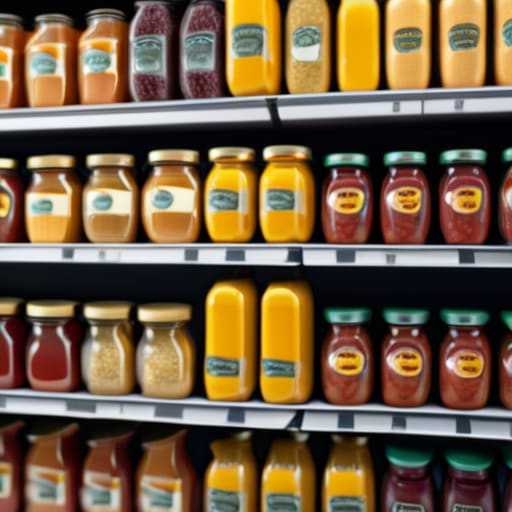
So, how do you actually know when your brain is starting to redline? It’s rarely a sudden crash; it’s more like a slow leak in a tire. You might notice you’re staring at the grocery aisle for ten minutes, completely paralyzed by the choice between twenty different brands of pasta sauce. This isn’t just being indecisive; it’s a classic sign of executive function depletion. When your mental battery hits that critical low, even the simplest tasks—like deciding what to wear or answering a non-urgent email—start to feel like climbing Everest in flip-flops.
You might also catch yourself falling into “autopilot” mode in ways that aren’t exactly productive. Maybe you find yourself mindlessly scrolling through social media for an hour, not because you’re enjoying it, but because your brain is too tired to make a real choice about what to do next. This is where the psychology of choice overload really kicks in, turning your evening relaxation into a cycle of low-quality distractions. If you’re feeling irritable, foggy, or just plain “done” by 4:00 PM, your mind is likely waving a white flag.
Understanding the Psychology of Choice Overload in Daily Life

So, why does having fifty different types of cereal to choose from at the grocery store suddenly feel like a high-stakes math exam? It all comes down to the psychology of choice overload. Think of your brain like a kitchen countertop. When you’re prepping a simple grilled cheese, you’ve got plenty of space to work. But when you try to cook a five-course gourmet meal with every gadget and spice imaginable cluttering the surface, things get messy fast. That clutter is essentially your cognitive load, and once that counter is full, nothing else can get done without something spilling over.
When we face an endless stream of options, our brains hit a wall known as executive function depletion. Every tiny choice—from which email to answer first to which socks to wear—uses up a little bit of our mental fuel. By the time evening rolls around, we aren’t just tired; we’re mentally bankrupt. It’s not that we’re lazy; it’s that our internal “processor” is overheating from trying to weigh too many variables at once. Understanding this helps us realize that protecting our mental bandwidth isn’t a luxury—it’s a necessity for staying sane.
Five Ways to Stop Letting Tiny Choices Drain Your Battery
- Automate your “boring” stuff. Think of it like meal prepping on a Sunday so you aren’t staring blankly at the fridge on a Tuesday night. Whether it’s setting up automatic bill pays or picking out your work clothes the night before, removing those repetitive micro-decisions saves your brainpower for the stuff that actually matters.
- Embrace the “Uniform” method. You don’t need a runway wardrobe, but having a go-to rotation of outfits can be a total lifesaver. When you stop debating between the navy chinos or the charcoal ones every single morning, you’re essentially reclaiming a chunk of mental real estate that was being wasted on something trivial.
- Use the “Rule of Three” for big decisions. When you’re feeling overwhelmed by options, stop looking at the whole menu and just pick three. Narrowing your field of vision prevents that paralyzing “analysis paralysis” where you end up choosing nothing at all because every option seems equally weighted.
- Schedule your heavy lifting for the morning. We all have a “cognitive budget,” and mine is usually spent by 3:00 PM. Try to tackle your most complex tasks or important life decisions early in the day when your mental tank is full, rather than trying to solve a crisis after a long day of meetings and errands.
- Practice the art of “Good Enough.” Perfectionism is the ultimate recipe for decision fatigue. Sometimes, you don’t need the absolute best brand of paper towels or the perfect route to the grocery store; you just need one that works. Learning to accept a solid “B+” choice can prevent you from burning out on the small stuff.
The Quick Cheat Sheet: Making Life a Little Easier
Keep an eye out for those “brain fog” moments; recognizing when your decision-making is hitting a wall is the first step to fixing it.
Simplify your small stuff—think of automating your morning routine like prepping ingredients for a recipe before you even turn on the stove.
Protect your prime mental real estate by tackling your biggest, toughest choices when your energy is highest, not when you’re running on fumes.
The Mental Buffet Problem
“Think of your daily willpower like a single serving of gourmet ingredients; every tiny, trivial choice you make—from what socks to wear to which email to answer first—is like tossing a handful of salt into the pot. By the time you actually face a big, important decision, you’ve already over-seasoned your brain into a state of total exhaustion.”
Morgan Bennett
Taking Back the Reins

At the end of the day, fighting decision fatigue isn’t about eliminating choices altogether—that’s impossible in our hyper-connected world. It’s about being more intentional with your limited mental bandwidth. We’ve looked at how to spot those red flags, like that mid-afternoon brain fog, and how the sheer volume of modern options can leave us feeling totally drained. Think of your willpower like a batch of sourdough starter; if you keep overworking it without giving it time to rest, it’s eventually going to lose its rise. By automating the small stuff—like meal prepping or setting a standard morning routine—you’re essentially saving your best ingredients for the decisions that actually move the needle in your life.
I know it feels overwhelming right now, but please remember that you don’t have to overhaul your entire existence overnight. Start small. Pick one tiny area where you can reduce the friction and just breathe through the chaos. Life is way too short to spend your precious energy agonizing over whether to buy the blue socks or the black ones. You deserve to have the mental clarity to focus on the big, beautiful things that truly matter. Let’s stop letting the trivial stuff steal our joy and start reclaiming our focus, one simple choice at a time. You’ve got this!
Frequently Asked Questions
Is there a way to tell if I'm actually experiencing decision fatigue or if I'm just plain tired?
It’s a tricky one, isn’t it? Think of it like this: being “just tired” is like having an empty fuel tank—you need sleep to refuel. Decision fatigue, though, is more like your engine overheating because you’ve been idling in stop-and-go traffic for hours. If a nap sounds great but you still can’t decide whether to have pasta or tacos for dinner, that’s your brain’s “check engine” light flashing.
Can I fix this by using more productivity apps, or will that just add more choices to my plate?
Honestly? Adding more apps is like trying to fix a cluttered kitchen by buying more Tupperware—you’re just creating more containers for the chaos. If you’re already feeling overwhelmed, a new productivity tool often becomes just another thing to manage, another notification to ignore, and another decision to make. Instead of downloading something new, try simplifying what you already have. Let’s focus on streamlining your current setup rather than complicating it.
Are there any quick "emergency" tactics I can use when I'm stuck in the middle of a choice-heavy workday?
When you’re mid-day spiraling and every email feels like a mountain, you need an immediate circuit breaker. First, implement a “no-choice zone”—pick one task and commit to it for 20 minutes without looking at anything else. If that fails, use the “Coin Toss Trick”: flip a coin for small decisions. It sounds silly, but the moment it’s in the air, you’ll realize which option you’re actually rooting for. It’s like adding a dash of salt to a bland sauce; it just resets your palate.