I still remember moving into my first studio apartment after leaving the corporate grind. I stood in the middle of that tiny, cramped box, staring at a mountain of boxes and thinking, “There is absolutely no way I can live here without feeling like I’m trapped in a closet.” I remember the overwhelming feeling of the walls literally closing in on me as I tried to figure out how to make a small room look bigger without spending a fortune on professional interior designers who probably charge by the minute. It felt less like a home and more like a puzzle I was destined to fail.
But here’s the thing: you don’t need a massive renovation budget or a degree in architecture to reclaim your space. I’ve spent years tinkering with my own living setups, learning through trial and error which tricks actually work and which ones are just expensive fluff. In this guide, I’m stripping away the hype to give you some straight-shooting, practical advice. We’re going to focus on simple, actionable shifts that will help you breathe easier and finally make that compact space feel like the functional sanctuary you deserve.
Table of Contents
Maximizing Small Space Living Through Strategic Furniture Choices
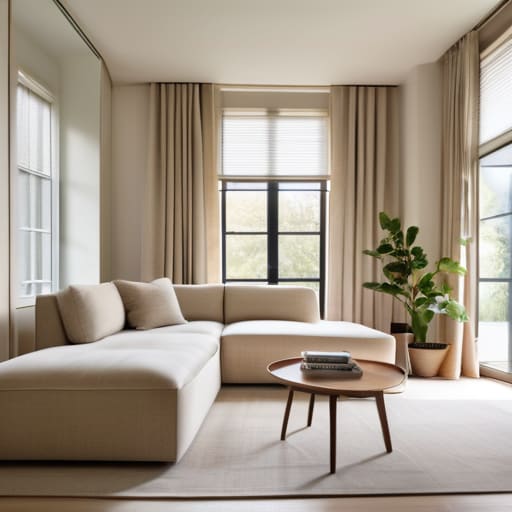
Think of your furniture like the ingredients in a heavy stew; if you throw too much in at once, you lose the flavor and everything feels crowded. When it comes to maximizing small space living, the secret isn’t about having less stuff, but about choosing pieces that work harder for you. I’m a huge fan of multi-functional items—think of an ottoman that doubles as a coffee table or a bed with built-in drawers. It’s like having a Swiss Army knife in your living room; it solves multiple problems without taking up extra real estate.
I also can’t stress enough how much the “visual weight” of your pieces matters. If you have a massive, chunky velvet sofa, it’s going to swallow your floor plan whole. Instead, I recommend leaning into minimalist furniture for tiny spaces. Look for pieces with exposed legs or glass surfaces. When you can see the floor extending underneath a chair or a table, your brain tricks itself into thinking the room is much more expansive. It’s a simple interior design trick that makes a world of difference in how breathable a room feels.
Using Mirrors to Expand Space and Create Depth
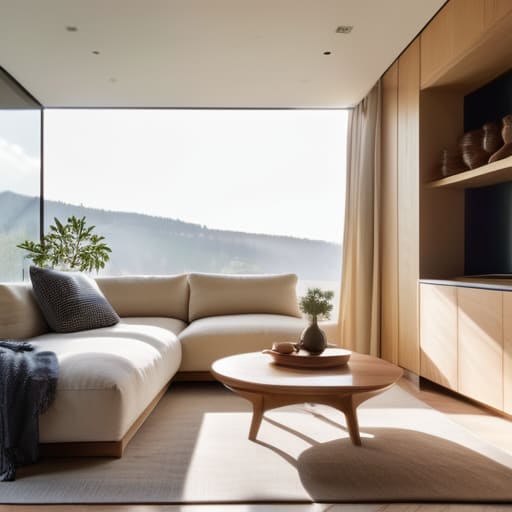
If furniture is the main course of your room’s layout, then mirrors are the secret sauce that pulls the whole dish together. I’ve always thought of mirrors as “visual windows.” When you’re dealing with tight quarters, a well-placed mirror doesn’t just sit there looking pretty; it actually tricks the eye into perceiving more depth than there actually is. One of my favorite interior design tricks for small apartments is to place a large floor mirror directly opposite a window. This simple move acts like a multiplier for your natural light, bouncing it into the darker corners and making the entire area feel significantly more airy.
Don’t feel like you need a massive, expensive piece to see the benefits, either. Even a gallery wall of smaller, mismatched mirrors can create a sense of movement and texture. The real trick to using mirrors to expand space effectively is all about placement and intention. If you hang them at eye level or use them to reflect a piece of art or a plant, you’re essentially adding layers of visual interest that prevent the walls from feeling like they’re closing in on you. It’s all about creating that illusion of openness.
The Secret Sauce: 5 Quick Fixes to Open Up Your Space
- Let’s talk about lighting—because a dark room is basically a visual shrinking machine. Instead of relying on one lonely overhead light that casts harsh shadows in every corner, try layering your light. Think of it like seasoning a dish; you need a little bit of everything to get the full flavor. A floor lamp here, a small desk lamp there, and maybe some LED strips under a shelf will trick your eyes into seeing a much wider, more inviting space.
- Don’t let your furniture swallow the room whole. If you’ve got a massive, chunky sofa that feels like it’s hogging all the oxygen, consider swapping it for something with “legs.” When you can see the floor extending underneath your coffee table or your armchair, the brain perceives that extra floor space, making the whole room feel way less claustrophobic.
- It’s time to embrace the power of the vertical. When you run out of floor real estate (which, let’s be honest, happens about five minutes after moving in), look up! Installing floating shelves or tall, slender bookcases draws the eye toward the ceiling. It’s like adding height to a soufflé—it creates this sense of loftiness that makes the walls feel like they’re pushing outward.
- Color theory isn’t just for painters; it’s for anyone trying to survive a studio apartment. If you want that “airy” feeling, lean into lighter, more cohesive palettes. Using similar tones for your walls and your larger furniture pieces prevents the room from feeling like a cluttered patchwork quilt. It creates a seamless flow that lets the eye wander without hitting a visual “stop sign” every two feet.
- Declutter like your sanity depends on it—because sometimes, it actually does. We all have that “junk drawer” energy, but in a small room, every stray gadget or pile of mail acts like a tiny roadblock. Try the “one-in, one-out” rule to keep things manageable. A clear surface is a clear mind, and more importantly, it’s a clear room that actually feels like a place you can relax in.
Quick Wins for a Breathable Space
Think of your furniture like ingredients in a stew; if you overstuff the pot, nothing has room to breathe, so choose multi-functional pieces that do more with less.
Mirrors are your secret weapon for “faking” depth, acting like a visual window that tricks the eye into seeing a much larger room.
It’s all about the flow—by clearing floor space and using light, strategic decor, you can turn a cramped corner into a room that actually feels like a sanctuary.
The Secret Ingredient to Space
“Think of a small room like a crowded kitchen during Sunday dinner; you don’t necessarily need more square footage, you just need to stop cluttering the counters and start using your vertical space more effectively.”
Morgan Bennett
Making Room for What Matters
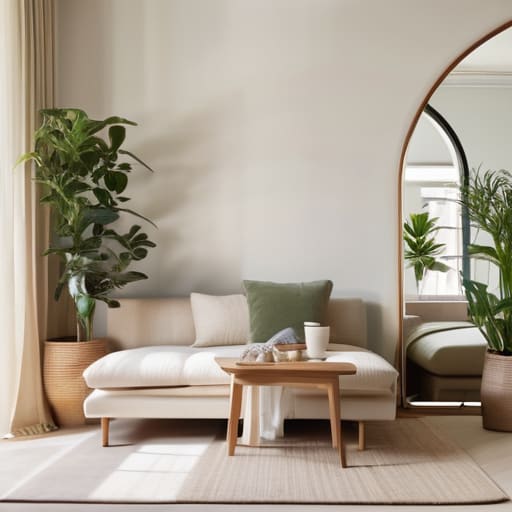
At the end of the day, transforming a cramped room into a breathable sanctuary isn’t about having a massive floor plan; it’s about how you curate the space you already have. We’ve looked at how picking the right furniture can prevent that claustrophobic feeling, and how strategically placing mirrors can act like a “cheat code” to trick the eye into seeing much more depth. Think of it like perfecting a sourdough recipe—it’s all about the right proportions and letting things breathe. When you stop fighting against the walls and start working with them, you’ll realize that small spaces don’t have to feel limiting.
I know that staring at a cluttered or tiny room can feel a bit overwhelming, like you’re trying to solve a puzzle with missing pieces. But please remember, your home should be a place that fuels your energy rather than draining it. You don’t need to overhaul everything overnight; just start with one small shift, whether it’s moving a chair or hanging a new mirror. I truly believe that once you master these little tweaks, you’ll find that your environment can actually expand your mindset. So, grab a coffee, pick one corner to start with, and let’s turn that little room into something truly spectacular together.
Frequently Asked Questions
What kind of lighting setup actually helps open up a dark, cramped corner without making it feel like a sterile office?
Think of lighting like seasoning a dish—you don’t want one giant scoop of salt; you want layers of flavor. To avoid that “dentist office” vibe, ditch the harsh overhead light. Instead, try layering warm-toned lamps at different heights. A small floor lamp in the corner or some dimmable LED strips behind a plant creates soft, diffused shadows. This adds depth and makes that dark corner feel like a cozy nook rather than a cave.
I love the idea of mirrors, but where is the sweet spot for placement so they don't just look like random decor?
Think of mirror placement like seasoning a dish—you don’t want to just dump salt everywhere; you want it to enhance the flavors. The “sweet spot” is usually directly opposite a window. This catches that natural light and bounces it deep into the room, acting like a visual expander. If you’re working with a tight hallway, try a floor-length mirror against a narrow wall to trick your brain into seeing extra width.
How do I pick a color palette that feels cozy and lived-in rather than just making everything look like a giant, empty white box?
Think of your color palette like a well-seasoned stew rather than a plain bowl of white rice. If you stick strictly to stark whites, your room ends up feeling more like a sterile doctor’s office than a home. Instead, try layering “warm neutrals”—think oatmeal, soft terracotta, or a muted sage. These tones add depth and soul. Add a few pops of darker accents in pillows or rugs to give the space some much-needed gravity.