I still remember sitting in a windowless conference room during my final year as a project manager, staring at a color-coded spreadsheet that was technically perfect, yet somehow completely useless. I had the data, the timelines, and the budget nailed down, but I couldn’t get a single stakeholder to actually listen to me without getting defensive. It was a massive wake-up call that all the technical expertise in the world won’t save you if you can’t actually connect with the humans sitting across the table. We often treat soft skills for work like some vague, mystical concept found in expensive corporate seminars, but in reality, they are the actual engine that keeps a career moving forward.
I’m not here to give you a lecture on “synergy” or hand you a list of buzzwords that sound great on a LinkedIn profile but fail in a real meeting. Instead, I want to break these skills down into something much more digestible—think of it like a recipe where we swap the fluff for practical ingredients you can actually use. I’m going to share the no-nonsense, battle-tested strategies I learned the hard way so you can navigate your professional life with a lot more confidence and a lot less stress.
Table of Contents
Mastering Emotional Intelligence in the Workplace

Think of emotional intelligence as the “secret sauce” in a complex recipe. You can have all the high-quality ingredients—the technical certifications, the degrees, the years of experience—but if the sauce breaks, the whole dish feels off. In a professional setting, emotional intelligence in the workplace is what keeps the flavors balanced when things get heated. It’s about more than just being “nice”; it’s about reading the room and understanding the unspoken vibes during a high-stakes meeting.
When you can accurately gauge your own stress levels and recognize when a teammate is hitting their limit, you’re practicing a high level of interpersonal communication skills. Instead of reacting impulsively to a snarky email, you pause, digest the situation, and respond with intention. This kind of self-regulation is what separates a frantic worker from a composed professional. By mastering these internal cues, you aren’t just managing your own moods; you’re actually creating a stable environment where everyone feels heard, which is the bedrock of any high-performing team.
Polishing Interpersonal Communication Skills for Real Impact
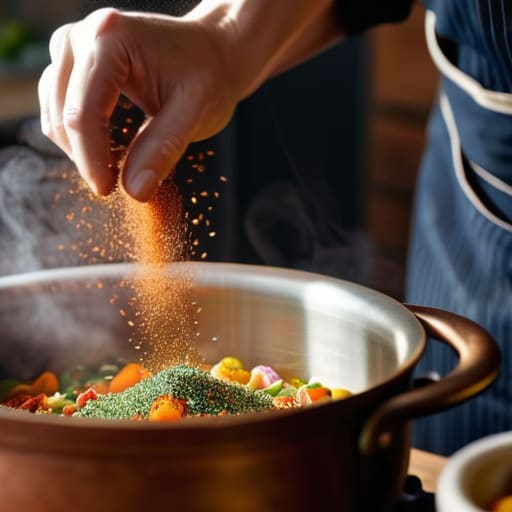
Think of your interpersonal communication skills like the seasoning in a complex stew. You can have the highest quality ingredients—your technical expertise, your degrees, your certifications—but if you don’t know how to balance the flavors, the whole dish can end up feeling a bit bland or, worse, overwhelming to the palate. In a professional setting, this means moving beyond just “sending emails” and actually learning how to read the room. It’s about realizing that the way you phrase a request to a teammate can be the difference between a smooth collaboration and a week of unnecessary tension.
To really make an impact, you have to treat every conversation as an opportunity to build trust. This involves mastering a few key conflict resolution strategies so that when disagreements inevitably pop up, you aren’t scrambling to save face. Instead of getting defensive, try to approach the friction with curiosity. When you focus on active listening and clarity, you’re not just talking; you’re building a bridge toward better results. It’s much easier to navigate a high-pressure project when everyone feels heard and understood from the jump.
The Secret Sauce: 5 Ways to Level Up Your Professional Game
- Become a Master of the “Active Listen.” Think of a conversation like a slow-cooked stew; you can’t just throw everything in the pot at once and hope for the best. Instead of just waiting for your turn to speak, really digest what the other person is saying. When you actually hear the nuances, you stop reacting and start responding, which changes the whole vibe of a meeting.
- Learn the Art of Adaptability. In my old project management days, I learned that things go sideways faster than a dropped tray of appetizers. If a deadline shifts or a client changes their mind, don’t freeze up. Instead of fighting the change, treat it like a new ingredient in a recipe—pivot, adjust your seasoning, and keep moving forward without the meltdown.
- Sharpen Your Problem-Solving Instincts. Nobody wants to be the person who just points out the burnt toast; they want the person who knows how to fix the toaster. When you encounter a roadblock, try to bring at least one potential solution to the table. It shifts you from being a “problem reporter” to a “solution architect,” and trust me, leadership notices that shift.
- Master the “Micro-Feedback” Loop. We often think feedback has to be this big, scary, annual event, but that’s like waiting until the end of a meal to realize you forgot the salt. Try giving (and asking for!) small, bite-sized bits of constructive input in real-time. It keeps projects on track and prevents those awkward, massive corrections later on.
- Cultivate Time Management (Without the Stress). This isn’t about working more hours; it’s about working smarter. I like to view my daily tasks like a meal prep session. Group similar tasks together to avoid “context switching” fatigue. By tackling your deep work when your energy is highest, you’re not just being productive—you’re protecting your sanity.
The Quick Cheat Sheet: What to Carry with You
Think of soft skills like the seasoning in a recipe; you don’t need a massive amount of any one thing, but the right balance of empathy and clear communication is what makes the whole “workday dish” actually palatable.
Don’t try to overhaul your entire personality overnight. Focus on one small tweak—like pausing before reacting to a stressful email—and master that before moving on to the next ingredient.
Remember that these skills aren’t just about being “nice.” They are practical tools designed to reduce friction, save you time, and ultimately make your professional life a whole lot smoother.
The Secret Ingredient
“Think of soft skills like the seasoning in a great recipe; you can have the highest quality ingredients—your technical degrees and certifications—but without that dash of empathy and clear communication, the whole thing just tastes a bit bland and hard to swallow.”
Morgan Bennett
Bringing It All Home

At the end of the day, mastering soft skills isn’t about memorizing a textbook or performing a character in a corporate play. It’s about the small, intentional shifts—like pausing to actually listen during a heated meeting or finding a way to deliver feedback without making someone feel like they’ve walked into a kitchen with no ingredients. We’ve looked at how emotional intelligence and clear communication act as the secret sauce that holds a professional relationship together. When you combine these with adaptability and problem-solving, you aren’t just checking boxes on a performance review; you are building a foundation for long-term career resilience that no technical certification can ever replace.
I know that pivoting from a “task-only” mindset to a “people-first” approach can feel a little daunting at first, almost like trying to master a complex new recipe without a guide. But remember, nobody becomes a master chef overnight, and you won’t become a communications pro in a single afternoon either. Just focus on making one small, meaningful connection or practicing one moment of empathy each day. If you do that, you’ll find that you aren’t just navigating the workplace—you’re actually thriving within it. You’ve got this, and I can’t wait to see how these small changes start paying off in your professional life.
Frequently Asked Questions
How can I actually practice these skills if my current job is mostly remote or independent work?
I totally get it—when you’re working from your couch or flying solo, it feels like you’re in a vacuum. It’s like trying to learn how to bake a sourdough loaf without anyone there to taste the crust! To practice, treat your Slack messages or emails like a training ground for clarity. Don’t just “ping” someone; try to convey tone and empathy through text. Also, jump on those video calls with intention—eye contact and active listening still count, even through a webcam.
Is there a way to show off my soft skills during an interview without sounding like I'm just reading from a textbook?
Think of it like describing your favorite comfort food recipe. You wouldn’t just read a list of ingredients; you’d talk about how the spices hit the pan or why you love the texture. Do the same with your skills. Instead of saying, “I possess strong adaptability,” tell a quick story about that time a project went sideways and how you pivoted. Real stories are the secret sauce that makes your skills taste authentic rather than rehearsed.
How do I deal with a coworker or boss who has zero soft skills and makes everything more difficult?
Ugh, we’ve all been there. It’s like trying to bake a delicate soufflé in a room full of construction workers—the vibes are just completely off. When you’re dealing with someone who lacks that social “seasoning,” my best advice is to become a master of documentation. Keep things hyper-clear and written down. Don’t take their bluntness personally; treat their lack of tact like a technical glitch rather than a personal attack. It keeps your sanity intact.