I still remember the heartbreak of my first “easy” fern—it looked like a vibrant green masterpiece in the nursery, but within three weeks in my apartment, it had turned into a sad, crunchy pile of brown debris. I felt like a total failure, convinced that I just didn’t have the “green thumb” everyone talks about. But here’s the truth: most of the advice you find online makes indoor gardening feel like a high-stakes chemistry experiment. You don’t need a degree in botany or a specialized UV lighting setup just to keep something alive; you just need to stop treating houseplants for beginners like delicate museum artifacts and start treating them like the resilient living things they actually are.
I’m not here to sell you on some expensive, aesthetic lifestyle that requires constant maintenance and a prayer to the sunlight gods. Instead, I want to give you a no-nonsense roadmap to building a little indoor jungle that actually survives your busy schedule. We’re going to skip the fluff and focus on the hardy, “set-it-and-forget-it” varieties that can handle real-world living. Think of this as your survival guide to greenery—practical, honest, and designed to help you succeed without the unnecessary stress.
Table of Contents
Finding Hard to Kill Houseplants for Real World Living
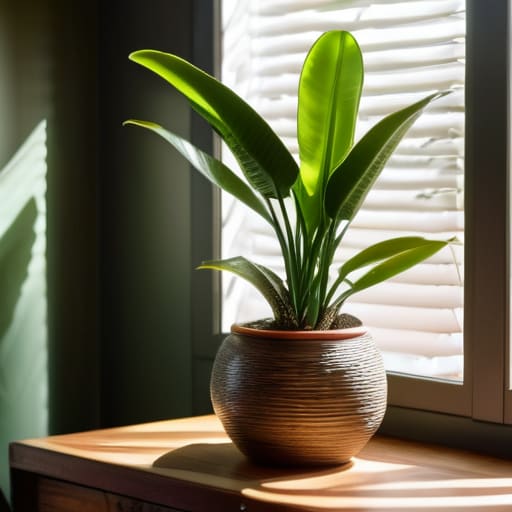
Look, I get it. We’ve all been there—you buy a beautiful, leafy friend with high hopes, only to watch it slowly turn into a sad, crunchy-looking stick two weeks later. It’s discouraging, but here’s the secret: most “black thumbs” are actually just people who picked the wrong plant for their lifestyle. If you’re looking for hard to kill houseplants, you want varieties that are essentially the “slow cooker” recipes of the botanical world—set it, forget it, and they’ll still be there when you get back.
Think about the Snake Plant or the ZZ Plant. These guys are the ultimate champions of low maintenance indoor plants because they don’t demand your constant attention. They’re perfectly fine if you miss a watering session while you’re busy with work or a weekend getaway. If your apartment feels a bit more like a cozy cave, don’t sweat it either; there are plenty of best plants for low light that thrive in those dim corners where most things go to die. Let’s focus on building a green space that adds life to your home without becoming another stressful item on your to-do list.
Best Plants for Low Light in Busy Modern Homes
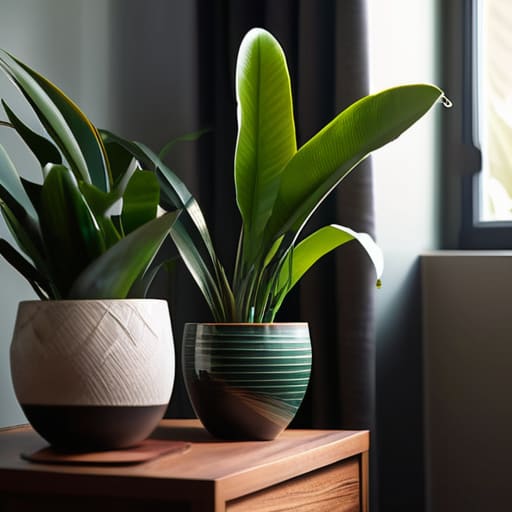
Now, let’s talk about the reality of most of our apartments or offices: they aren’t exactly sun-drenched tropical jungles. If your living room feels more like a cozy cave than a bright conservatory, don’t sweat it. You can still have a lush space without needing to move your sofa to the window. When looking for the best plants for low light, I always point people toward the Snake Plant or the ZZ Plant. These guys are basically the “set it and forget it” champions of the botanical world. They don’t need a constant spotlight to thrive, making them perfect for those of us who sometimes forget that sunlight is actually a requirement for life.
Think of these plants like a slow-cooker recipe; they aren’t going to demand your undivided attention every five minutes. While some people might suggest low maintenance indoor plants like succulents, be careful—those actually crave a lot of direct sun to stay happy. For the darker corners of your home, stick to foliage that can handle the shadows. Just remember that even the toughest greenery needs a little love, so keep an eye on the soil moisture rather than following a rigid, stressful calendar.
5 Pro-Tips to Keep Your New Green Roommates Alive and Thriving
- Don’t treat watering like a scheduled meeting. I used to think I had to water my plants every Monday morning like clockwork, but plants aren’t machines. Instead, stick your finger about an inch into the soil; if it feels dry, it’s time for a drink. If it’s still damp, back off. It’s much easier to revive a thirsty plant than one that’s drowning in soggy soil.
- Think of light like the seasoning in a recipe—you can’t just throw it in blindly. Before you buy that gorgeous, leafy Monstera, check your windows. If your apartment is more “cozy cave” than “sun-drenched loft,” you’ll need to match the plant’s light needs to your actual living situation, otherwise, you’re just setting yourself up for heartbreak.
- Drainage is your absolute best friend. If you buy a beautiful ceramic pot that doesn’t have a hole in the bottom, you’re basically creating a tiny, stagnant swamp for your plant’s roots. If you’re dead set on using a cute decorative pot, just keep the plant in its plastic nursery liner and set that inside the pretty one. It’s a simple hack that saves lives.
- Avoid the “over-care” trap. As someone who loves a good DIY project, I tend to want to tinker with everything constantly. With plants, sometimes the best thing you can do is absolutely nothing. Beginners often kill plants by hovering too much—too much fertilizer, too much water, too much moving them around. Let them settle in and find their groove.
- Get to know your “warning signs.” Every plant has its own way of communicating, much like how a chef knows a sauce is breaking before it’s a total disaster. Yellow leaves might mean too much water, while crispy, brown edges usually scream “I’m thirsty!” Learning these little cues early on will turn you from a nervous novice into a confident plant parent in no time.
Quick Wins for Your New Indoor Jungle
Don’t overthink the selection process; start with “indestructible” varieties like Snake Plants or Pothos to build your confidence before tackling the divas.
Match your plant to your actual lifestyle, not your Pinterest board—if your apartment is a bit dim, don’t force a sun-loving succulent to live in the shadows.
Think of plant care like seasoning a soup; it’s better to under-water and add more later than to drown them in a desperate attempt to be a “good” plant parent.
## A Little Greenery Goes a Long Way
“Think of your first few houseplants like learning a new recipe: you don’t start with a complex soufflé that might collapse if you look at it wrong; you start with something forgiving, like a simple pasta, so you can build your confidence before you try to master the art of the indoor jungle.”
Morgan Bennett
Bringing the Greenery Home
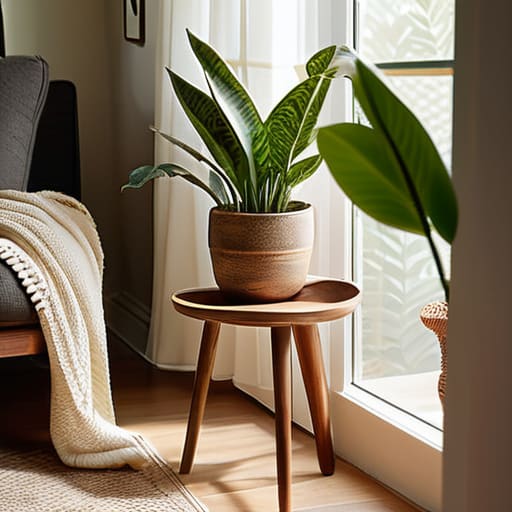
At the end of the day, starting your indoor jungle doesn’t require a degree in botany or a massive, sun-drenched atrium. We’ve looked at how picking those “hard-to-kill” varieties can save you from a lot of heartbreak, and we explored how to work with the lighting you actually have in your apartment rather than the lighting you wish you had. Think of it like learning to cook; you wouldn’t start with a complicated Beef Wellington, right? You start with a solid grilled cheese. By selecting low-maintenance, low-light champions, you’re setting yourself up for small, consistent wins that build your confidence without turning your living room into a graveyard of dried-up leaves.
I know it can feel a bit intimidating when you’re standing in the garden center aisle, staring at a sea of green and wondering if you’re actually capable of keeping something alive. But trust me, it is much more about observation than perfection. Every leaf that grows and every new sprout that appears is a little victory in your journey toward a calmer, more vibrant home. Don’t be afraid to make mistakes—even I have a few “accidental compost” stories from my early days. Just grab a pot, pick a hardy plant, and let’s start decoding the art of indoor living together, one leaf at a time.
Frequently Asked Questions
I’ve got a bit of a black thumb—is there a specific way to tell if I’m actually overwatering or if the plant just needs a drink?
Honestly, I’ve been there—I once turned a perfectly healthy fern into a soggy mess because I thought I was being “extra attentive.” Think of it like making a soup: too much water and you’ve got a bland, watery mess; too little, and it’s scorched. The golden rule? Stick your finger an inch into the soil. If it feels damp like a wrung-out sponge, back off. If it’s bone-dry, it’s time for a drink.
Do I really need to go out and buy all those fancy specialized soils, or can I just make do with what I’ve got?
Look, I get it. Walking down the garden aisle and seeing twenty different bags of “specialized” dirt can feel like you’re trying to decode a complex coding language. Honestly? You don’t need to go overboard. Think of soil like the base of a recipe; while a gourmet chef might insist on organic Madagascar vanilla, most of us can get a killer result with high-quality basics. A decent, well-draining all-purpose mix is usually plenty to keep your green friends happy.
How often should I actually be thinking about fertilizing these things without accidentally burning the roots?
Think of fertilizing like seasoning a soup: a little bit enhances the flavor, but too much ruins the whole batch. For most of these beginner plants, you really only need to feed them during their “growing season”—think spring through early autumn. I usually aim for once a month, but always dilute your liquid fertilizer to half-strength first. It’s much safer to under-season than to accidentally “burn” your plants with an overdose!