I used to think that if I just spent enough money on a sleek, minimalist desk and a chair that looked like it belonged in a sci-fi movie, my focus would magically appear. I fell for the trap, thinking that “aesthetic” was a synonym for “effective,” only to find myself staring blankly at a thousand-dollar setup that felt about as inspiring as a cold bowl of oatmeal. The truth is, most of the advice out there on how to build a productive workspace is just expensive fluff designed to sell you more gadgets you don’t actually need. We’ve been conditioned to believe that productivity is something you buy, rather than something you cultivate through smart, intentional choices.
I’m not here to sell you a lifestyle or a specific brand of overpriced ergonomic nonsense. Instead, I want to share the real-world lessons I learned while transitioning from the chaos of corporate project management to the solitude of full-time blogging. I’m going to show you how to strip away the hype and focus on the practical, low-cost tweaks that actually move the needle. Think of this as your no-nonsense blueprint for creating a setup that works with your brain, not against it.
Table of Contents
Ergonomic Office Setup Tips for Real World Comfort
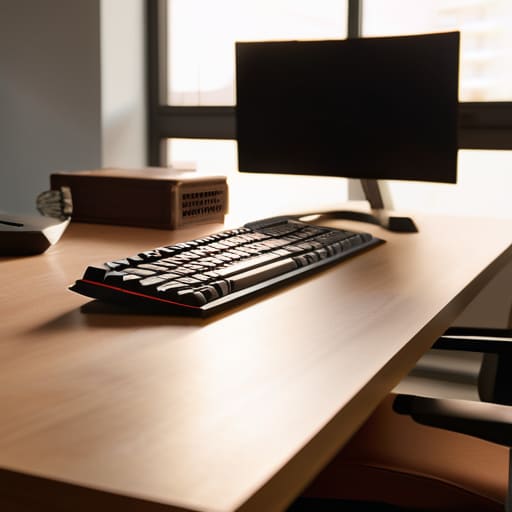
Think of your body like a slow-cooker recipe: if the temperature is off or the ingredients are poorly placed, the whole thing eventually burns out. When it comes to ergonomic office setup tips, most people think it’s just about buying an expensive chair, but it’s actually about the geometry of your movement. Your monitor should be at eye level so you aren’t constantly hunching like a question mark, and your elbows should rest at a 90-degree angle. If you find yourself constantly rubbing your neck by 3:00 PM, your setup is fighting you rather than supporting you.
Beyond the physical alignment, don’t underestimate the power of minimizing desk distractions through better sensory control. I’ve found that improving focus with lighting makes a massive difference; harsh overhead fluorescent lights are the productivity equivalent of adding way too much salt to a delicate sauce—it just overwhelms everything. Instead, try layering in some soft, natural light or a warm desk lamp. When your environment feels intentional and comfortable, you stop fighting your physical discomfort and finally start finding your flow.
Improving Focus With Lighting and Smart Design
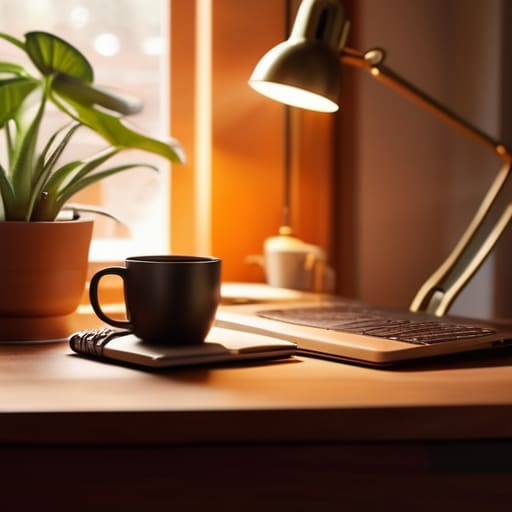
Think of your lighting like the seasoning in a great chili; if it’s too bland, you’re uninspired, but if it’s overwhelming, you can’t focus on the actual flavor. Most of us default to that one harsh overhead light that makes us feel like we’re under interrogation, but improving focus with lighting is actually about layers. I’ve found that mixing natural light from a window with a warm desk lamp creates a much more inviting vibe. If you’re working late, avoid the blue light glare that keeps your brain buzzing; instead, opt for warmer tones that signal to your mind it’s time to settle in and get things done.
Beyond the bulbs, let’s talk about the physical layout. It’s hard to stay in the zone when your peripheral vision is constantly being hijacked by a stack of unpaid bills or a rogue pile of laundry. I’m a huge believer in minimizing desk distractions by keeping only the essentials within arm’s reach. A clean surface isn’t just about aesthetics; it’s about mental clarity. When you treat your desk like a curated toolkit rather than a junk drawer, you’ll find it much easier to slide into that deep work state without the constant urge to fidget.
The Secret Ingredients: 5 Small Tweaks for a Massive Productivity Boost
- Declutter your visual field. Think of your desk like a kitchen counter when you’re trying to bake a complicated soufflé—if it’s covered in random mail, old coffee mugs, and loose cables, you’re going to lose your mind (and your rhythm). Keep only what you need for the task at hand, and tuck the rest away.
- Curate a “Focus Soundtrack.” Some people need total silence, while others need a heavy bassline to get moving. I’ve found that lo-fi beats or ambient cafe sounds act like a sonic barrier, blocking out the neighbor’s lawnmower and helping my brain slide into deep work mode.
- Master the “One-Touch” Rule for physical items. If a piece of paper or a gadget lands on your desk, try to deal with it immediately—file it, toss it, or use it. Letting things pile up is like letting dirty dishes sit in the sink; eventually, the mess becomes so overwhelming you won’t even want to start cooking.
- Use “Digital Boundaries” to protect your headspace. It’s incredibly easy to let Slack notifications or random browser tabs hijack your focus. I treat my desktop like a clean workspace; if I don’t need that extra tab open, it’s gone. Close the loops so your brain doesn’t have to keep them running in the background.
- Incorporate “Micro-Movements” into your flow. A workspace isn’t just about where you sit, but how you move within it. Keep a fidget toy nearby or a quick stretching routine ready. It’s like letting a pressure cooker vent steam—you need those tiny releases of tension to keep the whole system from exploding.
The Cheat Sheet: Small Tweaks, Big Results
Think of your ergonomics like a well-balanced recipe; you don’t need the most expensive ingredients, just the right proportions of chair height, monitor level, and movement to prevent that mid-afternoon burnout.
Lighting isn’t just about seeing your keyboard; it’s about setting the mood for your brain, so use layers of light to signal to your mind that it’s time to focus rather than just survive the day.
A productive space is a living thing, not a museum—don’t be afraid to tweak your setup as you go, because the “perfect” desk is the one that actually evolves with your workflow.
The Secret Ingredient to Focus
Think of your workspace like a slow-cooked stew; if you throw in too many random ingredients and leave the kitchen in a mess, you’re never going to get that perfect flavor. A productive desk isn’t about having every gadget under the sun, it’s about prepping your environment so the hard work feels less like a chore and more like a flow.
Morgan Bennett
Making It Your Own
At the end of the day, building a productive workspace isn’t about buying the most expensive standing desk or having a perfectly curated Pinterest setup. It’s about the small, intentional tweaks that make your workday feel less like a slog and more like a flow state. We’ve talked about everything from getting your ergonomics dialed in so your back doesn’t hate you by 3 PM, to playing with lighting that actually keeps your brain awake. Think of it like perfecting a sourdough recipe; you might start with a basic formula, but it’s the subtle adjustments in temperature and timing that eventually create something truly exceptional.
Don’t feel like you have to overhaul your entire home office in a single weekend. Start with one small change—maybe it’s a better lamp or finally clearing that mountain of random cables—and see how it shifts your energy. Your workspace should be a living, breathing part of your life that evolves as you do. Remember, the goal isn’t perfection; it’s about creating an environment that supports your best self rather than draining your battery. You’ve got this, and I can’t wait to hear how your new setup transforms your daily grind!
Frequently Asked Questions
I've got a tiny apartment and a kitchen table—how can I make a "workspace" without it taking over my entire living area?
Look, I’ve been there—trying to crush a deadline while your dinner plate is staring you down. When space is tight, think of your workspace like a modular recipe: it needs to be functional but easy to “put away.” I swear by a dedicated rolling cart for your tech and supplies. When the workday ends, tuck the cart in a corner. It keeps your living area from feeling like a cubicle graveyard.
Is it actually worth investing in those expensive standing desks, or can I get the same results with a cheaper DIY hack?
Look, I get it. Seeing those $800 motorized standing desks can feel like looking at a high-end espresso machine when you just want a decent cup of joe. Honestly? You don’t need to break the bank. If you’re handy with a drill or even just have some sturdy risers, a DIY hack can give you that same much-needed movement. Save the big bucks for a great chair; for the desk, just focus on getting to standing height.
How do I stop my phone and other digital distractions from completely wrecking my focus once I'm actually settled in?
Think of your focus like a delicate soufflé—one sudden buzz from your phone and the whole thing collapses. To stop the wrecking ball, you’ve gotta get aggressive. I swear by the “out of sight, out of mind” rule: toss your phone in another room or a desk drawer. If it’s not staring at you, it’s not tempting you. Use “Do Not Disturb” modes like a digital shield, and treat your deep-work sessions like sacred time.