I remember sitting at my kitchen table last August, staring at a utility bill that looked more like a mortgage payment than a monthly expense. It was a total gut punch. I had tried all those “expert” hacks I saw online—the ones that suggest you should live in a dark, freezing house just to shave a few bucks off the bill—and honestly, it felt like trying to bake a souffle with no eggs. It’s frustrating because most of the advice on how to save on utilities is either way too complicated or just plain unrealistic for anyone with a real life. You shouldn’t have to sacrifice your basic comfort just to keep your bank account from bleeding out.
I’m not here to sell you on expensive, high-tech gadgets that take a week to install or lifestyle changes that make you miserable. Instead, I want to share the practical, no-nonsense strategies I’ve actually tested in my own home to keep costs down without turning my life upside down. Think of this as your blueprint for reclaiming your budget through smart, manageable tweaks. We’re going to decode the math and find the real wins so you can stop overpaying and start living better.
Table of Contents
Smart Thermostat Benefits for Seamless Climate Control
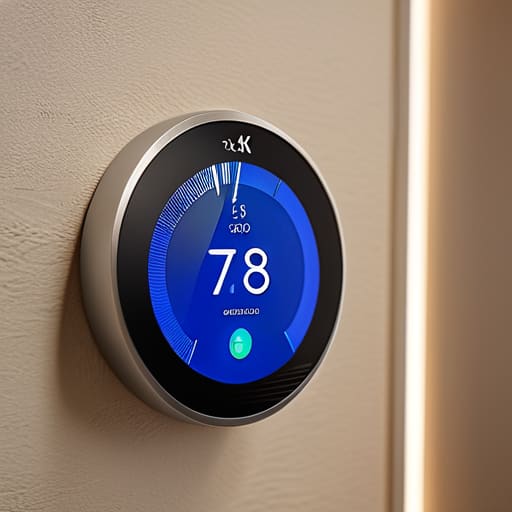
Think of your old-school thermostat like a basic recipe for toast—it’s either on or it’s off, with zero nuance. If you’re leaving the house for eight hours, why are you still paying to keep your living room at a perfect 72 degrees? This is where the smart thermostat benefits really start to shine. These little gadgets act like a sous-chef for your home’s climate, learning your schedule and automatically dialing things back when you’re at work or tucked in bed. Instead of guessing, you’re using data to ensure you aren’t just throwing money out the window every time you head to the office.
Investing in one of these devices is one of those energy efficient home improvements that actually pays for itself. By automating the adjustments that we usually forget to make, you’re consistently lowering heating and cooling costs without having to manually fiddle with a dial every single morning. It’s about working smarter, not harder, to keep your space comfortable while keeping your budget intact.
Practical Home Insulation Strategies for Year Round Comfort

Think of your home like a slow-cooker. If the lid is left slightly ajar, all that hard-earned heat escapes, and you’re left working twice as hard to keep things simmering at the right temperature. That’s exactly what happens when your house lacks proper sealing. One of the most effective home insulation strategies is to start with the “low-hanging fruit”—the gaps around windows and doors. I spent a weekend last fall tackling drafty door frames with simple weatherstripping, and honestly, it felt like a massive win for my sanity (and my wallet).
Beyond just the visible cracks, don’t forget about your attic. It’s essentially the “top layer” of your thermal blanket. If your attic insulation is thin or uneven, you’re basically trying to stay warm under a summer sheet in the middle of January. Investing in some quality insulation is one of those energy efficient home improvements that pays for itself over time. It’s not just about a single fix; it’s about creating a cohesive system that keeps your living space stable, regardless of what the weather is doing outside.
Small Tweaks That’ll Stop Your Budget From Leaking
- Let’s talk about your water heater. Most of these units are set way higher than they need to be, like a soup that’s been simmering on high for way too long. Dialing it down to about 120°F (49°C) is the “sweet spot”—it keeps your showers warm but stops you from paying to heat water you don’t even need.
- It’s time to hunt down those “vampire appliances.” You know the ones—the coffee maker, the gaming console, or that old toaster oven that stays plugged in 24/7. Even when they’re “off,” they’re sipping electricity like a slow leak in a faucet. Grab a few smart power strips to cut the connection entirely when you aren’t using them.
- Don’t ignore your windows. If you can feel a draft, you’re basically throwing money out the window—literally. Using simple weatherstripping or even heavy curtains can act like a cozy sweater for your home, keeping the expensive conditioned air inside where it belongs.
- Upgrade your lighting to LEDs. I know, I know, it sounds like one of those “boring adult” chores, but it’s a total game-changer. It’s like switching from a heavy, inefficient old stove to a modern induction cooktop; you get the same result with way less wasted energy and much lower bills.
- Be mindful of your laundry routine. Instead of running a half-empty machine, wait until you have a full load—think of it like batch-cooking a big pot of chili instead of making a single serving every night. Also, air-drying clothes whenever possible is a massive win for your wallet and your utility meter.
The Quick Cheat Sheet for Lowering Your Bills
Think of your home’s temperature like a slow-cooker recipe; instead of cranking the heat to high and hoping for the best, use a smart thermostat to maintain a steady, efficient simmer that saves energy without sacrificing comfort.
Don’t let your hard-earned cash leak out of your house like steam from an unsealed pot; investing in solid insulation is the ultimate way to keep your climate control working for you, not against your wallet.
Small, consistent tweaks to how you manage your home’s environment act like the “prep work” in a great meal—they might seem minor at first, but they are the secret ingredients to a much healthier monthly budget.
The Secret Sauce to Lower Bills
“Think of your utility bills like a complex sourdough recipe; you don’t need to overhaul every single ingredient overnight, you just need to tweak the small, consistent habits to stop the wasted energy from souring your entire monthly budget.”
Morgan Bennett
Bringing It All Home
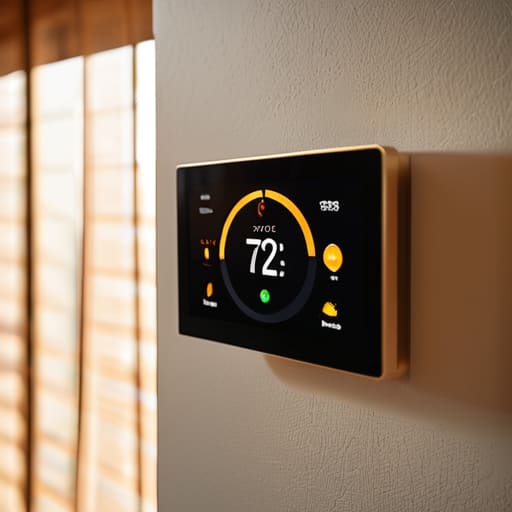
At the end of the day, slashing those utility bills isn’t about one massive, expensive overhaul; it’s more like perfecting a complex recipe where the small, consistent tweaks make all the difference. We’ve talked about everything from the high-tech magic of smart thermostats to the old-school, reliable fix of better insulation. Whether you’re automating your climate control or just sealing up those pesky drafts, each step you take is a direct investment back into your own pocket. It might feel like a lot to juggle at first, but remember that small, incremental changes are what actually lead to sustainable long-term savings.
I know that staring down a rising energy bill can feel a bit overwhelming, like you’re trying to solve a puzzle with half the pieces missing. But don’t let the complexity paralyze you. Start with one small project this weekend—maybe it’s just a smart plug or a roll of weatherstripping—and build from there. You don’t have to be a master technician to take control of your household expenses. Just take that first step, stay consistent, and you’ll soon see your hard work reflected in your bank account. You’ve got this, and I’m rooting for you to reclaim your budget one smart move at a time!
Frequently Asked Questions
Are smart thermostats actually worth the upfront cost, or am I just paying for a fancy gadget?
Look, I get it. Dropping a couple hundred bucks on a gadget can feel like buying a designer kitchen appliance when a basic one works just fine. But think of a smart thermostat like a slow cooker for your energy bill: it does the heavy lifting in the background while you focus on other things. If you’re someone who constantly forgets to turn the AC down when leaving for work, the automation pays for itself in savings.
If I can't afford big insulation projects right now, are there any cheap DIY hacks to stop drafts?
I totally get it—not everyone has a massive renovation budget sitting around. Think of it like trying to fix a leaky soup recipe; you don’t always need a new pot, sometimes you just need to plug the holes. Grab some inexpensive weatherstripping for door frames or those foam draft stoppers for the bottom of doors. Even a simple roll of caulk to seal window gaps can work wonders without breaking the bank.
How much of a difference will switching to LED bulbs really make on my monthly bill?
Honestly, it’s a bit like swapping out heavy, greasy butter for a light olive oil—it might seem like a small tweak, but the long-term health of your budget will definitely feel it. While one bulb won’t change your life, replacing every old incandescent in your house can shave a noticeable chunk off your electricity bill. They last way longer too, so you’re saving money on both the power and the replacement trips to the store.