I still remember sitting in my cramped studio apartment back in my early twenties, staring at a bank balance that looked more like a temperature reading than a paycheck. I had just finished a bowl of plain white rice—the ultimate “I’m broke” staple—and felt that familiar, heavy knot of anxiety in my chest. Every “expert” online was telling me to download some fancy app or invest in a diversified portfolio, but let’s be real: when you’re barely covering rent, those tips feel like someone trying to teach you how to bake a soufflé when you don’t even have enough flour for toast. Learning how to save money on a low income isn’t about complex algorithms or cutting out your one small joy; it’s about survival and strategy.
I’m not here to sell you on a lifestyle you can’t afford or some unrealistic “get rich quick” scheme. Instead, I want to share the actual, gritty tactics I used to claw my way out of that cycle and how you can do the same. We’re going to skip the fluff and focus on practical, bite-sized shifts that actually keep more cash in your pocket. Think of this as a recipe for financial stability—we’re going to break down the ingredients of your spending and find ways to make them work for you, without making life feel utterly impossible.
Table of Contents
Practical Low Cost Grocery Shopping Strategies
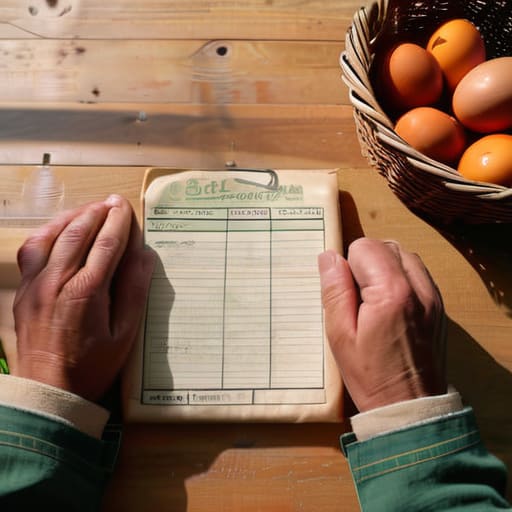
Let’s be real: the grocery store can feel like a minefield when you’re trying to stick to a tight budget. One minute you’re grabbing a carton of eggs, and the next, you’re staring at a receipt that looks like a phone number. If you want to master low cost grocery shopping strategies, you have to stop shopping with your eyes and start shopping with a plan. Think of it like following a recipe; if you just throw random ingredients into a pot without a plan, you’re going to end up with a mess. I always tell myself to shop the perimeter of the store first—that’s where the whole foods live—and avoid those middle aisles packed with pricey, processed stuff.
Another huge win is embracing the “mystery ingredient” method, which is really just a fancy way of saying buy what’s on sale. If bell peppers are half-off, they’re going in your cart, even if it means changing your dinner plans. This is one of my favorite frugal living tips on a budget because it forces you to be creative rather than just being a slave to a rigid meal plan. By focusing on staples like dried beans, rice, and frozen veggies, you’re not just eating well; you’re actively reducing monthly expenses one meal at a time.
Reducing Monthly Expenses Without Sacrificing Life

Now, I know what you’re thinking: “If I stop buying lattes and cancel Netflix, am I actually living, or just surviving?” I get it. Cutting back shouldn’t feel like you’re punishing yourself or living in a black-and-white movie. When I first started looking into reducing monthly expenses, I realized it wasn’t about deprivation; it was about trimming the fat—kind of like cleaning up a messy recipe so the actual flavors can shine. It’s about identifying those “ghost subscriptions” and sneaky service fees that bleed your bank account dry without you even noticing.
Beyond the small stuff, we have to look at the bigger, more intimidating pillars like utilities and insurance. Instead of just accepting the bill you get in the mail, take a moment to shop around or call your providers to negotiate a better rate. It feels a bit awkward at first, but I promise, it’s worth the five-minute uncomfortable conversation. These small wins are the secret ingredients to building financial stability for low earners, creating a buffer that keeps you from feeling like you’re constantly one unexpected car repair away from a total meltdown.
Small Tweaks, Big Wins: 5 Ways to Reclaim Your Cash
- Master the “Subscription Audit.” We’ve all been there—signing up for a streaming service for one specific show and then forgetting about it for six months. Think of your monthly subscriptions like ingredients in a pantry; if you aren’t actually using that spice, it’s just taking up space and costing you money. Go through your bank statement and ruthlessly cancel anything that isn’t adding real value to your life right now.
- Embrace the Power of the “Wait-and-See” Rule. When you see something online that you absolutely must have, add it to your cart but don’t hit buy. Give it 48 hours. Most of the time, that “must-have” feeling is just a dopamine spike that fades once you’ve had a good night’s sleep. It’s like letting a heavy stew simmer—sometimes you realize you actually had enough ingredients to begin with.
- Gamify Your Savings with “Micro-Transfers.” If the idea of a massive savings goal feels overwhelming, stop looking at the mountain and start looking at the pebbles. Every time you skip a $5 latte or choose the generic brand over the name brand, manually move that exact amount into a separate savings account. It feels small, but watching those tiny increments stack up is surprisingly satisfying.
- Lean Into the “Library Economy.” Your local library is basically a cheat code for modern life. Beyond just books, many branches offer free access to digital magazines, streaming services, even tools or kitchen gadgets. It’s like having a massive community pantry where you can sample everything before you ever commit to buying it yourself.
- Hack Your Energy Usage. You don’t need a fancy smart home setup to see a difference in your utility bills. Simple habits—like unplugging “vampire electronics” that draw power even when turned off, or adjusting your thermostat by just two degrees—can shave meaningful amounts off your monthly costs. It’s the financial equivalent of turning off the lights when you leave a room; it’s a small habit that prevents a massive leak.
The Quick Cheat Sheet: Making It All Stick
Focus on the “big wins” first—like slashing those recurring subscriptions or meal planning—rather than stressing over every single nickel and dime.
Think of your budget like a recipe; you don’t need the most expensive ingredients to make something delicious, you just need to know how to work with what you’ve got.
Be kind to yourself when things get messy, because the goal isn’t perfection, it’s just making small, sustainable moves that keep you moving forward.
## A Quick Reality Check
“Saving money when you’re living on a tight budget isn’t about depriving yourself of every little joy; it’s more like tweaking a recipe—you’re just swapping out the expensive, flashy ingredients for the smart, essential ones so you can still enjoy the meal without breaking the bank.”
Morgan Bennett
Taking the First Step Forward

Look, I know that staring at a tight budget can feel a lot like trying to follow a complex recipe when you’re missing half the ingredients. It’s overwhelming, and sometimes it feels like no matter how much you trim, the math just isn’t mathing. But we’ve covered a lot of ground today, from rethinking how we tackle the grocery aisles to finding those sneaky little ways to slash monthly bills without feeling like you’re living in a cave. The goal isn’t to achieve perfection overnight; it’s about making those small, intentional shifts that eventually add up to a much more stable foundation. By focusing on these practical tweaks, you’re essentially prepping your kitchen for success before the real cooking even begins.
If there’s one thing I’ve learned from my years in the corporate grind and my time navigating my own financial ups and downs, it’s this: your current bank balance doesn’t define your future potential. Financial freedom isn’t an all-or-nothing game; it’s a series of small wins stacked on top of each other. Be kind to yourself on the days when things don’t go according to plan, but keep showing up. You’ve got the tools, you’ve got the strategy, and most importantly, you’ve got the grit to make this work. Let’s keep decoding these challenges together, one step at a time.
Frequently Asked Questions
How do I handle unexpected emergencies when there's barely anything left at the end of the month?
Look, I’ve been there—staring at a bank balance that looks more like a temperature reading than actual money. When an emergency hits and your budget is already stretched thin, don’t panic. First, treat it like a kitchen fire: stay calm and tackle the immediate threat. Look for “micro-wins” like selling something on Marketplace or a quick side gig. Most importantly, don’t be afraid to call creditors; most would rather work out a plan than have you default.
Are there any specific apps or tools that actually help with budgeting without being super complicated?
Honestly, I used to think budgeting apps were just extra homework, but a few actually make life easier. If you want something “set it and forget it,” try Rocket Money—it’s great for spotting those sneaky subscriptions you forgot about. For more hands-on control without the headache, YNAB (You Need A Budget) is the gold standard, though it has a bit of a learning curve. If you’re a minimalist, even just using a simple spreadsheet or a basic banking app feature works wonders.
How can I stay motivated to stick to a strict budget when it feels like I'm constantly missing out on things?
Look, I get it. Budgeting can feel like you’re stuck eating plain toast while everyone else is at a buffet. It’s easy to feel like you’re losing at life when you have to say “no.” My best advice? Stop looking at what you’re missing and start celebrating the small wins. Think of your budget like a slow-cooker recipe—it takes time and patience, but the payoff is much more satisfying than a quick, expensive fix.