I remember sitting at my old corporate desk, surrounded by three different planners, a color-coded digital calendar, and enough sticky notes to wallpaper my entire apartment, yet I still felt like I was drowning. I was doing all the “right” things, but my weekly planning felt less like a roadmap and more like a frantic attempt to catch a runaway train. It turns out, most productivity gurus want you to buy a $50 specialized journal or master a complex coding system just to manage your Tuesday afternoon, and honestly? That’s total nonsense. We don’t need more expensive tools; we need a way to make sense of the chaos without losing our minds in the process.
I’m not here to sell you on a lifestyle overhaul or a complicated ritual that takes three hours every Sunday night. Instead, I want to share the stripped-back, no-nonsense strategies I’ve honed since leaving the corporate grind to help you actually reclaim your time. We’re going to focus on practical, realistic ways to approach weekly planning that fit into a real, messy life—not some idealized version of it. Think of this as your guide to building a schedule that actually works for you, rather than one you’re constantly fighting against.
Table of Contents
- Mastering Goal Setting Strategies for Real Life
- Building Productivity Habits for Success Every Day
- The Secret Sauce: 5 Ways to Make Your Weekly Plan Actually Stick
- The Cheat Sheet for a Better Week
- The Secret Ingredient to a Less Chaotic Week
- Reclaiming Your Time, One Week at a Time
- Frequently Asked Questions
Mastering Goal Setting Strategies for Real Life
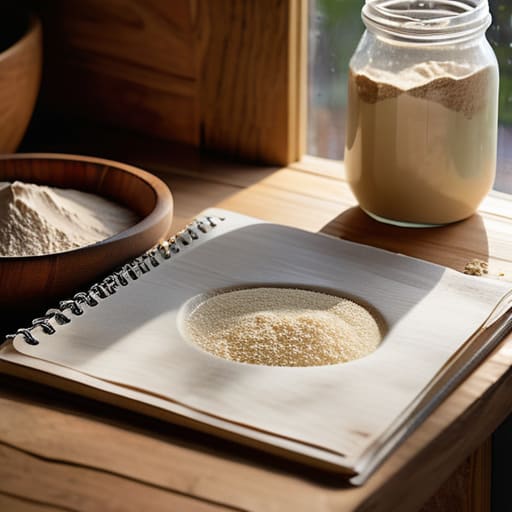
Think of your goals like the ingredients for a complex sourdough starter. You can’t just throw flour and water in a bowl and expect a perfect loaf by lunchtime; you need a process, patience, and a bit of a roadmap. When it comes to goal setting strategies, I’ve learned that being too vague is the fastest way to fail. Instead of saying “I want to be more productive,” try breaking it down into bite-sized, actionable chunks. If you aim for something massive without a plan, you’ll end up staring at your to-do list like it’s a recipe written in a language you don’t speak.
To keep from drowning in your own ambitions, I highly recommend integrating specific productivity habits for success into your rhythm. This means moving away from “wishful thinking” and toward actual execution. I like to treat my goals as the “main course” and my smaller errands as the side dishes. By prioritizing what actually moves the needle, you ensure that your energy isn’t wasted on the metaphorical garnish while the steak burns on the stove. It’s all about intentionality over intensity.
Building Productivity Habits for Success Every Day

Think of building productivity habits like perfecting a sourdough starter. You can’t just throw flour and water together once and expect a masterpiece; it’s all about that consistent, daily nurturing. If you try to overhaul your entire life in a single afternoon, you’re going to burn out faster than a cheap candle. Instead, I’ve found that the secret lies in organizing daily tasks into bite-sized, manageable chunks. Start by picking one small thing—maybe it’s just clearing your inbox before lunch or setting out your clothes the night before—and stick to it until it feels like second nature.
Once those small wins start stacking up, you can begin layering in more robust productivity habits for success. This is where the magic happens. I’m a huge fan of the Sunday reset routine to prep my headspace for the week ahead. It’s not about being a rigid robot; it’s about creating a rhythm that supports your actual life, not one that makes you feel like you’re constantly running a race you can’t win. When your habits are dialed in, you stop reacting to chaos and start actually driving the bus.
The Secret Sauce: 5 Ways to Make Your Weekly Plan Actually Stick
- Audit your “ingredients” before you start cooking. Before you even touch a planner, look back at your last seven days. Did you spend three hours scrolling through tech reviews when you meant to be working on that side project? Identifying where your time actually went is like checking your pantry before starting a recipe—it prevents you from realizing halfway through that you’re missing a crucial component.
- Embrace the “Buffer Zone” technique. I used to schedule my life down to the minute, which was a recipe for disaster. If a meeting ran long or a smart home device decided to spontaneously reboot, my whole day crashed. Now, I leave 30-minute gaps between major tasks. Think of it like letting dough rise; you need that breathing room to ensure the final product doesn’t turn into a flat mess.
- Pick your “Big Three” and ignore the rest of the noise. It’s easy to get seduced by a massive, intimidating to-do list, but that’s just a recipe for burnout. Every Sunday, I pick three non-negotiable wins for the week. If I get those done, the week is a victory. Everything else is just the garnish.
- Batch your “admin chores” to save your brainpower. Switching from deep work to answering emails is like constantly stopping mid-recipe to go to the grocery store; it kills your momentum. Instead, set aside one specific block—say, Tuesday afternoons—to tackle all those tiny, annoying tasks like paying bills or scheduling appointments.
- Do a Sunday Night “Pre-Flight Check.” Spend just fifteen minutes on Sunday evening looking at the week ahead. It’s not about intense labor; it’s about mental preparation. Knowing that Wednesday is going to be a marathon helps you mentally pace yourself, so you aren’t caught off guard when the chaos inevitably arrives.
The Cheat Sheet for a Better Week
Think of your weekly plan like a recipe; if you don’t prep your ingredients (your tasks) ahead of time, you’re going to end up with a kitchen disaster by Wednesday.
Don’t try to cook a five-course meal in one sitting—focus on small, repeatable habits that build momentum rather than overwhelming yourself with a massive, unrealistic to-do list.
Leave some “buffer room” in your schedule for the unexpected, because life has a funny way of throwing a wrench in your plans just when you think you’ve got everything under control.
The Secret Ingredient to a Less Chaotic Week
“Think of weekly planning like prepping your ingredients before you turn on the stove; if you spend a little time chopping the vegetables and measuring the spices on Sunday, you won’t be scrambling in a smoke-filled kitchen when life decides to turn up the heat on Tuesday.”
Morgan Bennett
Reclaiming Your Time, One Week at a Time

At the end of the day, effective weekly planning isn’t about turning yourself into a rigid, unfeeling robot or filling every single minute of your calendar with tasks. It’s about finding that perfect balance between setting ambitious goals and actually building the sustainable habits needed to reach them. We’ve looked at how to set goals that actually matter, how to bake productivity into your daily routine, and how to navigate the inevitable curveballs life throws your way. Think of your weekly plan like a well-prepared sourdough starter; it needs the right ingredients and a little bit of structure, but it also needs room to breathe and grow. If you focus on intentionality over perfection, you’ll find that the chaos starts to settle into something much more manageable.
I know that starting this process can feel a bit daunting, especially when your “to-do” list looks more like a never-ending grocery receipt. But I promise you, once you start taking control of your schedule, you’ll stop feeling like you’re just constantly reacting to the world around you. You deserve to have time for the things that actually bring you joy, not just the things that scream the loudest for your attention. So, grab your planner, take a deep breath, and start small. You’ve got this, and I’m right here in your corner, cheering you on as you master the art of the week!
Frequently Asked Questions
What do I do when my carefully planned week completely falls apart because of unexpected work emergencies or family chaos?
Look, I’ve been there—it’s like following a perfect sourdough recipe only to realize you’re out of yeast halfway through. When the chaos hits, stop trying to force the old plan; it’s dead. Instead, grab a “reset” list. Identify the three non-negotiable tasks that must happen to keep your head above water, and let the rest slide. Be kind to yourself. Tomorrow is a fresh batch, and we’ll try again then.
How much time should I actually spend on this planning process without it becoming just another overwhelming chore on my to-do list?
Look, I get it. If you spend three hours color-coding a digital calendar, you aren’t actually working; you’re just procrastinating with pretty fonts. Think of planning like prepping a meal: you don’t want to spend the whole night chopping onions instead of eating. Aim for about 20 minutes on Sunday to map the big picture, and just 5–10 minutes each evening to prep for tomorrow. Keep it lean so you can actually get to the good stuff.
Is it better to plan my week down to the hour, or should I stick to a more flexible, high-level approach?
Honestly? Planning every single minute is a recipe for burnout. It’s like trying to follow a recipe that requires you to stir the sauce every thirty seconds—you’ll spend more time watching the pot than actually enjoying the meal. I’m a huge advocate for a “flexible framework.” Map out your big rocks and non-negotiables, but leave some breathing room for the inevitable chaos of real life. Aim for intention, not perfection.