I was sitting on my kitchen floor last Tuesday, mid-way through a DIY smart lighting project, when I saw it: a single, brazen cockroach skittering across the linoleum like he owned the place. It’s that stomach-flipping moment we all dread, the one that makes you realize your “sanctuary” has a serious security breach. Most people immediately run to the store to grab every toxic spray and expensive gadget on the shelf, but honestly? That’s like trying to fix a broken souffle by throwing more flour at it. If you’re looking for how to prevent pests at home, you don’t need a chemistry degree or a massive budget; you just need to stop falling for the high-priced marketing hype and start looking at the actual entry points.
I’m not here to sell you on some miracle bug spray that smells like a chemical factory. Instead, I want to share the practical, no-nonsense strategies I’ve gathered from years of trial, error, and the occasional midnight pest patrol. We’re going to break down the real ways to fortify your space using common-sense habits and simple home maintenance. My goal is to give you a straightforward roadmap to reclaiming your home, one crack and crumb at a time, without all the unnecessary fluff.
Table of Contents
- Sealing Cracks and Crevices to Secure Your Perimeter
- Mastering Moisture Control to Prevent Bugs From Settling in
- The Secret Sauce: 5 More Ways to Keep the Uninvited Guests Away
- The Quick Cheat Sheet for a Pest-Free Home
- The Secret Ingredient to a Pest-Free Home
- Keeping the Peace at Home
- Frequently Asked Questions
Sealing Cracks and Crevices to Secure Your Perimeter
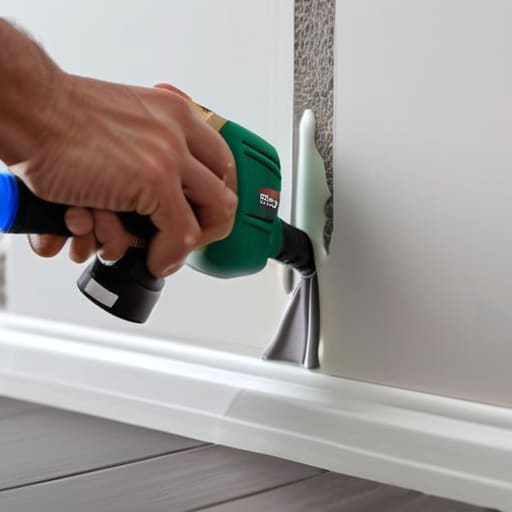
Think of your home like a gourmet recipe; if there’s even a tiny gap in your prep work, the whole thing can fall apart. When it comes to keeping bugs out, sealing cracks and crevices is essentially the foundation of your defense. I remember my first apartment in the city—I thought I was set until I noticed a tiny gap under the kitchen sink. It wasn’t just a crack; it was a VIP entrance for every cockroach in the neighborhood. Once I grabbed some silicone caulk and started plugging those sneaky entry points around baseboards and window frames, the vibe changed immediately.
It’s not just about the big holes, either. You have to get granular. I’m talking about the tiny spaces where pipes meet the wall or the little gaps in your door frames. While you’re at it, don’t forget about pest proofing kitchen and pantry areas by ensuring your backsplash is tight against the counter. If you leave those little openings exposed, you’re basically leaving the back door unlocked and inviting the uninvited to dinner. Tightening up these perimeters is the most effective way to ensure your sanctuary stays truly yours.
Mastering Moisture Control to Prevent Bugs From Settling in

If sealing up those cracks is like locking the front door, then managing moisture is more like making sure there isn’t a buffet set out in the driveway. Most bugs aren’t just looking for a snack; they are looking for a spa day. They crave damp, dark environments to thrive and breed. Think of it this way: if your basement or under-sink area feels like a humid tropical rainforest, you’ve basically rolled out the red carpet for silverfish and cockroaches. Implementing consistent moisture control to prevent bugs is one of the most effective ways to make your home a “no-fly zone” for unwanted visitors.
Start by hunting down those sneaky leaks under your kitchen sink or behind the washing machine. Even a tiny, slow drip can create a micro-climate that’s perfect for an infestation. I also recommend checking your gutters and ensuring your foundation drains are clear; standing water is like a neon “Open” sign for pests. By keeping things dry, you aren’t just cleaning—you’re starving them of the resources they need to survive. It’s a simple shift, but it makes a massive difference in your long-term defense.
The Secret Sauce: 5 More Ways to Keep the Uninvited Guests Away
- Stop leaving the buffet open. I know, it’s tempting to leave that bag of chips on the counter, but think of your pantry like a high-end restaurant—if you leave the kitchen doors swinging wide open, someone’s going to walk in and start helping themselves. Use airtight containers for everything from flour to cereal to cut off the food supply.
- Manage your trash like a pro. A leaky trash can is basically a five-star invitation for flies and roaches. Make sure your bins have tight-fitting lids and try to take the kitchen trash out every night. It’s a small chore, but it’s a game-changer for keeping smells (and pests) at bay.
- Declutter your “junk” zones. We all have that one corner of the garage or the space under the stairs filled with cardboard boxes and old newspapers. To a pest, those aren’t just old things; they’re cozy, multi-story apartment complexes. Swap out cardboard for plastic bins to make your home a lot less cozy for them.
- Keep the yard at arm’s length. If your bushes and shrubs are leaning right up against your house, you’re basically building a bridge for ants and spiders to walk right into your living room. Keep a little bit of a “buffer zone” between your landscaping and your foundation to break up their path.
- Check your deliveries and gear. This one is a bit of a sneaky one, but pests love hitching a ride in cardboard boxes or even your garden tools. When you bring something new into the house, give it a quick once-over before it settles into its new home. It’s like checking your luggage for stowaways before you unpack!
The Quick Cheat Sheet for a Pest-Free Home
Think of your home like a sourdough starter; if you don’t manage the environment—especially moisture and temperature—the wrong things will start to grow. Keep things dry and sealed to stay in control.
Don’t wait for a full-blown infestation to act. Small, proactive tweaks like sealing a tiny gap around a pipe are much easier (and cheaper!) than calling in the heavy hitters later.
Consistency is your best friend here. Just like prepping your meals for the week, a little bit of routine maintenance keeps the uninvited guests from ever getting a foothold in your sanctuary.
The Secret Ingredient to a Pest-Free Home
“Think of pest prevention like prepping a complex recipe: if you leave even one small ingredient out of place—like a tiny crack in the baseboard or a damp corner under the sink—the whole thing can go south fast. It’s all about those little, proactive details that keep your home’s environment from becoming an all-you-can-eat buffet for uninvited guests.”
Morgan Bennett
Keeping the Peace at Home

At the end of the day, keeping your home pest-free isn’t about performing some massive, overnight overhaul; it’s about the small, consistent habits that add up over time. Think of it like prepping a slow-cooker meal—you don’t just throw everything in at once and hope for the best. You have to layer your efforts. By sealing up those sneaky entry points and keeping a tight lid on moisture levels, you’re essentially removing the ingredients that pests need to thrive. When you deny them food, water, and shelter, you’ve effectively starved the problem before it even starts.
I know that staring down a potential infestation can feel a bit overwhelming, but remember that you are the architect of your own sanctuary. Taking these proactive steps isn’t just about maintenance; it’s about reclaiming your space so you can actually relax without looking over your shoulder. Don’t feel like you have to tackle every single crack and crevice this weekend. Just pick one area, get started, and build that momentum. You’ve got this, and honestly, a little bit of foresight goes a long way in making sure your home remains the peaceful retreat it was always meant to be.
Frequently Asked Questions
Are there specific natural or DIY remedies I can use to keep bugs away without blasting my house with harsh chemicals?
I totally get it—the last thing I want is to turn my living room into a chemistry lab just to deal with a few ants. Think of natural remedies like adding a dash of spice to a recipe; they aren’t heavy-duty industrial cleaners, but they work wonders for keeping things balanced. Peppermint oil, cinnamon, and even white vinegar are my go-to’s. They smell great to us but act like a “keep out” sign for most creepy crawlies.
If I already see a few pests, does that mean my preventative measures failed, or should I still try to fix the house first?
Look, don’t panic—seeing a few uninvited guests doesn’t mean your plan has crumbled. Think of it like a recipe that’s slightly over-salted; you don’t throw the whole meal out, you just adjust the seasoning. You should definitely start fixing the house immediately. Sealing those entry points and drying out damp spots acts like a “reset button.” Address the environment first, then use targeted treatments to clear out the ones already inside.
Which areas of the kitchen or pantry are the biggest "danger zones" for attracting ants and pantry moths?
Think of your kitchen like a busy restaurant kitchen—if you leave crumbs on the floor or an open bag of flour on the counter, you’re basically rolling out the red carpet for pests. For ants, the real danger zones are near the sink or any spot where a sticky spill might be hiding. For pantry moths, it’s those half-opened bags of grains, flour, or dried pasta. Keep everything airtight, or you’re just inviting them to dinner!