I remember sitting in my old home office last winter, surrounded by all the latest smart gadgets, feeling like I was breathing through a dusty old rug. I had spent a small fortune on “high-tech” air purifiers that promised the world but mostly just hummed loudly in the corner, doing next to nothing. It was incredibly frustrating to realize that the marketing hype surrounding how to improve indoor air quality often ignores the simple, common-sense stuff we actually need. Honestly, trying to fix your home’s air shouldn’t feel like you’re trying to follow a five-star molecular gastronomy recipe with ingredients you can’t even find at the local grocery store.
Look, I’m not here to sell you on expensive, shiny gadgets that serve more as decor than actual tools. My goal is to cut through the noise and give you a straightforward, no-nonsense roadmap to actually making your space feel fresh again. We’re going to dive into practical, budget-friendly shifts—from smart ventilation tweaks to simple lifestyle habits—that actually work. I want to help you decode the science of your home so you can finally breathe easy without breaking the bank.
Table of Contents
Identifying the Silent Culprits in Your Living Space
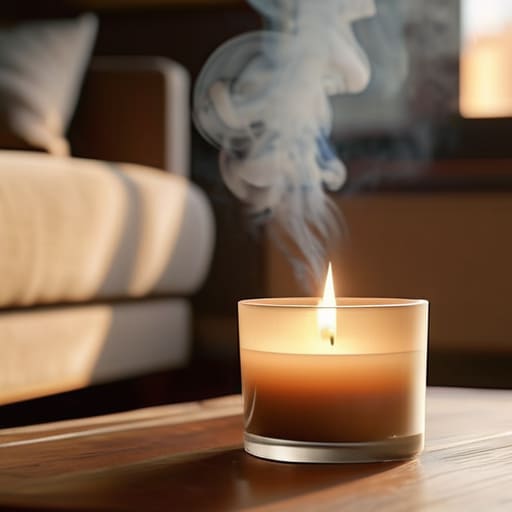
Think of your home like a slow-cooked stew. If you toss in a few spoiled ingredients, the whole pot is going to taste off, no matter how much salt you add. The same goes for the air we breathe. We often focus on the big stuff, like smog or wildfire smoke, but the real troublemakers are often hiding in plain sight. I’m talking about common indoor air pollutants like VOCs from your favorite scented candles, dust mites hiding in the rug, or even that lingering smell from last night’s sautéed onions.
To really get a handle on this, you have to play detective. I used to think my allergies were just a seasonal thing, but I realized I was actually dealing with a buildup of pet dander and dust. It’s also worth keeping an eye on the impact of humidity on air quality; if your place feels like a tropical rainforest, you’re basically rolling out the red carpet for mold. Once you identify these silent culprits, you stop guessing and start actually fixing the problem.
The Impact of Humidity on Air Quality and Comfort
Think of your home’s humidity like the seasoning in a soup; a little bit brings everything together, but too much—or too little—completely ruins the flavor. When the air is too damp, you’re essentially rolling out a red carpet for mold and dust mites. These little guys thrive in moist environments, and their presence is one of the most frustrating ways to deal with reducing household allergens without even realizing why your nose is constantly itchy. On the flip side, if your air is bone-dry, especially during those biting Midwest winters, it can irritate your skin and throat, making everything feel just a bit “off.”
Finding that “Goldilocks zone”—usually between 30% and 50% humidity—is a total game-changer for your comfort. It’s not just about feeling cozy, though; it’s about managing the impact of humidity on air quality to prevent those invisible spores from taking over. If you notice condensation on your windows, that’s your home’s way of screaming that things are getting too moist. Balancing it out with a simple dehumidifier or a humidifier can make your space feel significantly fresher and much easier to breathe in.
Five Simple Ways to Refresh Your Space (Without Breaking the Bank)
- Let’s start with the basics: open those windows! I know, it sounds almost too simple, but a quick ten-minute cross-breeze can flush out stale air and bring in much-needed oxygen. Think of it like letting a steaming pot of pasta water vent out so your kitchen doesn’t turn into a sauna.
- Grab some leafy roommates. I’m talking about houseplants. While they aren’t a magic fix for a smoggy city, plants like Snake Plants or Peace Lilies act like tiny, natural air scrubbers. Plus, they make your living room look way less like a sterile cubicle and more like a home.
- Upgrade your filtration game. If you’ve got a central HVAC system, don’t be stingy with the filters. Swapping out a dirty, dusty filter for a fresh one is like changing the oil in your car—it keeps everything running smoothly and prevents your lungs from doing the heavy lifting.
- Watch your “scent” habits. I’ll admit, I used to love lighting scented candles every evening, but those can actually pump a lot of VOCs (volatile organic compounds) into the air. If you want a nice vibe, try a high-quality essential oil diffuser or just stick to natural scents like citrus peels.
- Tackle the dust at the source. Instead of just moving dust around with a feather duster, use a damp microfiber cloth. It’s like using a sponge to clean a spill rather than just blowing on it; you actually trap the particles and get them out of your environment for good.
The Quick-Start Guide to Cleaner Air
Think of your home like a slow-cooker; if you keep adding “ingredients” like harsh cleaners or scented candles, you’re just thickening up the air with pollutants. Stick to natural alternatives to keep things light and breathable.
Don’t let your home become a swamp or a desert. Keeping your humidity in that “Goldilocks zone”—between 30% and 50%—is the secret sauce to preventing both mold growth and that itchy, dry-air feeling.
You don’t need a massive budget to see a difference. Simple, low-tech wins like opening a window for a quick cross-breeze or swapping out old filters can do more for your lungs than a fancy, overpriced gadget ever could.
## The Big Picture
“Think of your home’s air like a slow-cooker recipe; if you let too many heavy, uninvited ingredients simmer in the pot without any ventilation, the whole vibe gets ruined. Improving your air quality isn’t about buying every gadget on the market—it’s about learning how to balance the ingredients so your living space actually feels as fresh as it looks.”
Morgan Bennett
Taking the First Breath Toward Better Air
At the end of the day, improving your indoor air quality isn’t about running a high-tech laboratory in your living room; it’s about making small, intentional shifts in your daily routine. We’ve talked about hunting down those hidden pollutants, managing your humidity levels so your home doesn’t feel like a swamp, and keeping your space ventilated. Think of it like perfecting a sourdough starter—it takes a little bit of patience and the right environment, but once you get the balance right, everything else just flows better. By tackling these “silent culprits” one by one, you aren’t just cleaning the air; you’re building a healthier foundation for your entire household.
I know that looking at a list of home improvements can feel a bit overwhelming, especially when life is already moving at a hundred miles an hour. But remember, you don’t have to overhaul your entire house by tomorrow morning. Start with one small change—maybe it’s opening a window for ten minutes or finally swapping out that old air filter—and build from there. You deserve to live in a space that feels truly refreshing and restorative. Let’s stop settling for stale air and start breathing easier together. You’ve got this!
Frequently Asked Questions
Are air purifiers actually worth the investment, or am I just paying for fancy filters?
It’s the million-dollar question, isn’t it? Honestly, it’s a bit like asking if a high-end espresso machine is worth the splurge. If you’re just drinking instant coffee, maybe not. But if you’re dealing with heavy dust, pet dander, or seasonal allergies, a good HEPA purifier is a total game-changer. You aren’t just paying for fancy filters; you’re paying for a massive reduction in those invisible irritants that make you sneeze all day.
How much of a difference will opening the windows really make if it's pollen season outside?
It’s the ultimate indoor-outdoor dilemma, right? It’s like trying to bake a soufflé in a windstorm. Honestly, if you’re a seasonal allergy sufferer, opening the windows during peak pollen counts is a bit of a gamble. You’ll get that fresh air boost, but you’re basically inviting the enemy into your living room. My advice? Stick to using an air purifier during high-pollen days and save the window-cracking for those breezy, low-count evenings.
Can my pets and my choice of houseplants actually help clean the air, or is that just a myth?
It’s a bit of a mixed bag, honestly. Think of houseplants like adding a dash of fresh basil to a heavy stew—they definitely add a nice, refreshing note, and while they do absorb some toxins, you’d need a literal jungle in your living room to see a massive scientific difference. As for pets? They’re more like extra seasoning that can actually make the air a bit “dustier” with dander. So, keep the plants for the vibes, but keep the vacuum handy!