I was standing in my hallway last Tuesday, staring at a stack of “miscellaneous” boxes that had basically become a permanent architectural feature of my house, and I realized something: most advice on how to declutter your home is absolute nonsense. You’ve seen the videos—the ones where a professional organizer swoops in with $500 worth of matching aesthetic bins and tells you that “minimalism is a lifestyle.” Honestly? That’s not decluttering; that’s just expensive reorganization. If you’re feeling overwhelmed by the sheer volume of stuff crowding your mental space, you don’t need a designer or a massive budget; you just need a realistic plan that doesn’t involve throwing away your sentimental childhood photos just to satisfy an Instagram aesthetic.
I’m not here to sell you on a lifestyle overhaul or a fancy new storage system. Instead, I want to share the messy, trial-and-error methods I’ve used to reclaim my space after years of corporate-induced hoarding. We’re going to break this down into manageable, bite-sized steps—think of it like prepping ingredients for a complex recipe rather than trying to cook a five-course meal all at once. I promise to give you nothing but honest, no-nonsense strategies that actually work for real people with real, cluttered lives.
Table of Contents
Mastering the Decluttering Mindset and Psychology First

Before we start grabbing trash bags and tossing old magazines, we need to have a little heart-to-heart. Honestly, decluttering isn’t just a physical chore; it’s a mental marathon. Most of us treat it like a kitchen recipe where we’re just tossing in ingredients, but if you don’t understand the decluttering mindset and psychology behind why we hold onto things, you’ll find yourself back at square one by next Tuesday. We often cling to items because they represent a “maybe someday” version of ourselves—the version that actually runs marathons or learns to play the cello.
Think of your brain like a pantry that’s been overstuffed with expired spices. You can’t just shove everything into a new container and expect it to taste better; you have to clear out the old stuff to make room for what actually nourishes you. Implementing minimalist living strategies isn’t about living in a cold, empty white box; it’s about intentionally choosing what earns a spot in your life. Once you shift your focus from what you’re “losing” to what you’re gaining—like mental clarity and physical breathing room—the process stops feeling like a punishment and starts feeling like a massive relief.
A Practical Decluttering Checklist for Beginners
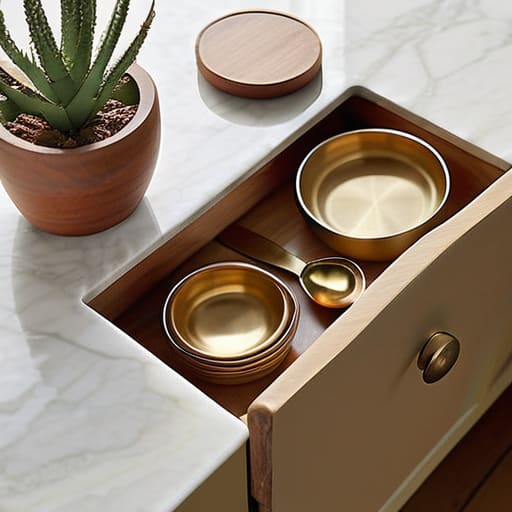
Alright, let’s get down to the brass tacks. If you try to tackle the whole house at once, you’re going to end up sitting on your kitchen floor surrounded by half-empty boxes, staring blankly at a pile of old cables, wondering where it all went wrong. Think of it like making a complex sourdough from scratch; if you try to skip steps or rush the fermentation, the whole thing collapses. To avoid that “decision fatigue” meltdown, I highly recommend using a decluttering room by room guide approach. Start with the low-stakes areas—like a junk drawer or a single bathroom cabinet—to build up that momentum before moving into the high-emotion zones like the garage or the attic.
Once you’ve picked your battlefield, grab three sturdy bins or heavy-duty trash bags and label them: Keep, Donate, and Toss. This is one of those essential decluttering hacks for busy people because it removes the “what do I do with this?” hesitation that slows us down. As you move through each space, ask yourself if the item actually serves your current life or if it’s just taking up mental real estate. If it hasn’t seen the light of day in a year, it’s time to let it go.
Five Battle-Tested Strategies to Keep the Chaos at Bay
- Use the “One In, One Out” Rule: Think of your home like a well-balanced recipe; if you add a heavy scoop of new ingredients, you’ve got to take something out to keep the flavor right. Every time you bring a new gadget or a fresh sweater into your house, commit to letting an old one go. It stops the clutter from snowballing before you even realize what’s happening.
- The “Maybe Box” Safety Net: I know that feeling of panic when you look at an old college textbook and think, “I might need this someday.” Instead of letting that indecision stall your progress, toss those “maybe” items into a designated box. Seal it up, date it, and put it in the garage. If you haven’t opened it in six months, you’ve officially given yourself permission to part ways with it.
- Tackle One Micro-Zone at a Time: Trying to declutter the whole house at once is like trying to cook a five-course meal when you’ve never even boiled an egg—it’s overwhelming and you’ll likely end up ordering pizza instead. Focus on one drawer, one shelf, or even just one corner of a countertop. Small wins build the momentum you need to tackle the big stuff later.
- Be Ruthless with the “Just in Case” Items: We all have that drawer full of random cables and half-used manuals for electronics we don’t even own anymore. If you haven’t touched it in a year, it’s not a “resource,” it’s just extra weight. Trust me, if you truly need that specific hex key in three years, you can find a solution then. For now, let it go.
- Create “Landing Strips” for Daily Essentials: Clutter often happens because things don’t have a permanent home. Set up a designated spot near your entryway for keys, mail, and bags. When everything has a specific “parking space,” you spend less time hunting for your wallet and less time accidentally creating piles of junk on the dining room table.
The Big Picture: What We’ve Learned So Far
Don’t let the physical mess fool you; decluttering is actually a mental game, so focus on getting your head in the right space before you even touch a single cardboard box.
Start small and stay organized by following a structured checklist rather than just wandering aimlessly through your rooms like a lost tourist.
Remember that the goal isn’t just to have empty shelves, but to create a home that actually serves your lifestyle instead of just collecting dust and stress.
The Heart of the Matter
“Think of decluttering less like a chore and more like cleaning out a messy pantry; you aren’t just throwing things away, you’re clearing out the expired ingredients of your life to make room for the stuff that actually nourishes your soul.”
Morgan Bennett
The Finish Line is Just the Beginning
Look, I know it feels a bit like trying to bake a complex soufflé—one wrong move and you feel like the whole thing is going to collapse on you. But we’ve covered the groundwork: from shifting your mindset to viewing your belongings as tools rather than anchors, to actually rolling up your sleeves with a solid checklist. Remember, decluttering isn’t about achieving some sterile, museum-quality perfection; it’s about removing the friction from your daily routine. Whether you tackled one junk drawer or cleared out an entire guest room, you’ve successfully started the process of reclaiming your physical and mental space.
As you step away from the boxes and the sorting bins, try not to view this as a one-time chore, but rather as a new way of living. Think of it like maintaining a garden; if you don’t pull a few weeds every now and then, the overgrowth eventually takes over again. Be kind to yourself on the days when the clutter tries to creep back in, and celebrate the small wins. You aren’t just cleaning a house; you are curating a life that actually has room for the things—and the people—that truly matter. You’ve got this!
Frequently Asked Questions
What should I actually do with all the stuff I decide to get rid of—is there a better way than just tossing it in a landfill?
So, you’ve done the hard part—you’ve actually decided what stays and what goes. Now comes the “where does it go?” dilemma. Honestly, tossing everything in the trash feels like throwing away a perfectly good ingredient in a recipe. Instead, think of it as reallocating resources. Donate usable items to local charities, sell high-value pieces on Marketplace to pad your savings, or find a specialized recycling center for tech. Let’s keep the good stuff in circulation!
How do I handle those sentimental items, like old photos or gifts, that feel impossible to part with even if I never use them?
Look, I get it. Sentimental items are like the secret spices in a family recipe—they carry all the flavor, but if you dump the whole jar in at once, you ruin the dish. Don’t try to toss everything at once. Instead, try the “Digital Archive” trick: take a high-quality photo of the item, then let the physical object go. You keep the memory without the heavy lifting. If it’s a gift, honor the intention, not the clutter.
I feel like I'll just end up cluttering everything right back up again; how do I actually make these changes stick for the long haul?
I totally get it—that “rebound clutter” feeling is real. It’s like baking a perfect soufflé only to have it collapse the second you turn off the oven. To make this stick, stop focusing on the one-time purge and start focusing on your “entry flow.” Think of it like a kitchen pantry: if you keep buying ingredients faster than you can cook them, you’ll always be overflowing. Build tiny, daily habits to manage what comes in, and the decluttered life becomes your new baseline.