I was sitting on my living room floor last Saturday, surrounded by a mountain of dusty cardboard boxes, staring at my grandmother’s chipped ceramic tea set like it was a high-stakes puzzle I couldn’t solve. You know that feeling? It’s that heavy, sinking sensation in your chest when you realize that decluttering sentimental items feels less like organizing a room and more like betraying your own history. I spent years in project management, thinking I could just “optimize” my way through life, but you can’t apply a spreadsheet to a box of old love letters and expect it to make sense.
Look, I’m not here to give you some clinical, “just throw it all away” lecture that ignores the emotional weight of your stuff. We’re going to skip the toxic positivity and the expensive professional organizer gimmicks. Instead, I’m going to share the practical, battle-tested strategies I used to navigate my own emotional minefield. My goal is to help you find a way to clear the physical chaos without losing the soul of your memories. Let’s get into the real ways to lighten your load while keeping what actually matters.
Table of Contents
- Navigating Emotional Attachment to Belongings Without the Guilt
- Sorting Through Family Heirlooms With Purpose and Clarity
- Five Ways to Lighten the Load Without Losing the Love
- The Quick Cheat Sheet for Your Heart and Your Home
- ## The Heart of the Matter
- Taking the Next Step with Confidence
- Frequently Asked Questions
Navigating Emotional Attachment to Belongings Without the Guilt
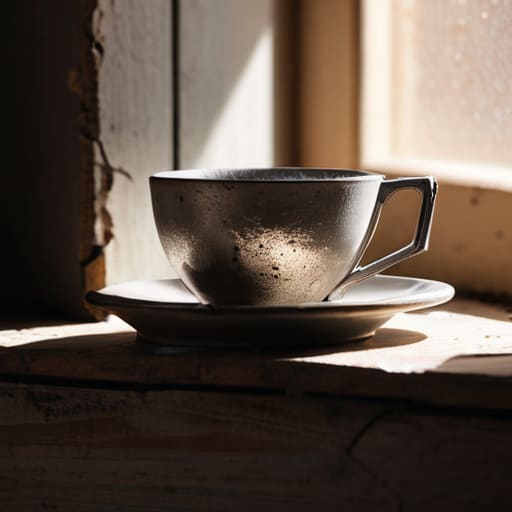
I’ll be the first to admit it: I used to treat my old high school trophies and my grandmother’s chipped tea sets like they were sacred relics. I felt like if I tossed them, I was somehow tossing the person or the moment they represented. That’s the heavy weight of emotional attachment to belongings, and it’s usually where the whole process grinds to a halt. We tell ourselves we’re “preserving history,” but in reality, we’re just collecting dust.
The trick is to realize that the memory lives in you, not in the physical object. If you’re struggling with overcoming guilt when discarding items, try shifting your focus from what you’re losing to what you’re actually keeping. Think of it like a recipe: you don’t need every single leftover ingredient in the pantry to recreate a meal; you just need the core flavors. Instead of keeping every bulky heirloom, consider creating a memory box for the absolute essentials. This allows you to honor the past without letting it crowd out your present.
Sorting Through Family Heirlooms With Purpose and Clarity
When it comes to sorting through family heirlooms, I like to think of it like a slow-cooked stew. You can’t just throw everything in the pot at once or you’ll end up with a mess; you have to pick the ingredients that actually make the flavor pop. Instead of feeling pressured to keep every chipped tea set or dusty ornament, ask yourself: Does this piece actually tell a story, or is it just taking up space? If a heavy mahogany desk doesn’t fit your current lifestyle, it doesn’t mean you’re disrespecting your ancestors. It just means that piece of history has finished its current chapter in your home.
If you’re struggling with the sheer volume of stuff, try creating a memory box for the truly irreplaceable items. This keeps the “best of the best” safe without letting them colonize your entire living room. For everything else, especially those shoeboxes of loose snapshots, look into how to digitize old photos. You can preserve the visual legacy of your family on a cloud drive or a sleek digital frame, allowing you to honor the past without being buried by it.
Five Ways to Lighten the Load Without Losing the Love
- The “Digital Memory Jar” approach: Instead of keeping every bulky, dusty souvenir, snap a high-quality photo of the item. I’ve found that having a beautiful digital album of my grandmother’s old tea sets actually preserves the memory better than having a cupboard full of chipped porcelain that I’m too scared to use.
- Curate a “Memory Box” with strict boundaries: Think of this like a recipe where you can’t just keep adding ingredients or it’ll ruin the dish. Pick one beautiful, sturdy container and decide that only what fits in there gets to stay. It forces you to pick the absolute best of the best.
- The “Rotation Strategy” for decor: You don’t have to display every sentimental piece at once. I like to treat my meaningful items like seasonal decorations—bring out the special pieces for a few months, then tuck them away. It keeps your space feeling fresh rather than like a museum of your past.
- Pass the torch early: If there’s an heirloom that someone else in the family would actually use and cherish, give it to them now. There is so much joy in seeing a piece of family history actually living a life in someone else’s home rather than gathering dust in your attic.
- Use the “Functionality Test”: Ask yourself, “Does this item serve my life today, or am I just holding onto it out of obligation?” If a sentimental item is actually making your daily routine harder—like a massive old trunk taking up half your closet—it might be time to honor the memory by letting the physical object go.
The Quick Cheat Sheet for Your Heart and Your Home
Remember that it’s okay to feel a little tug at your heartstrings; letting go of an object isn’t a betrayal of the person it represents, so don’t beat yourself up during the process.
Focus on the “why” behind the item—if it’s just taking up space without bringing you joy or a sense of connection, it might be time to transition it from a physical object to a digital memory.
Treat your decluttering like a slow-cooker recipe rather than a microwave meal; give yourself permission to take it one small box at a time so you don’t end up feeling overwhelmed and burnt out.
## The Heart of the Matter
“Think of decluttering sentimental stuff like refining a family recipe; you don’t throw out the whole cookbook just because a few ingredients are taking up too much space on the counter. It’s about keeping the flavors that actually nourish your soul and letting go of the clutter that’s just getting in the way of the meal.”
Morgan Bennett
Taking the Next Step with Confidence
Look, I know we’ve covered a lot of ground today, and if your brain feels a little heavy, that’s totally normal. We’ve talked about untangling those messy emotional knots, finding a way to honor your family history without turning your living room into a museum, and realizing that guilt is a terrible compass for decision-making. Think of this process like a slow-cooker recipe; you can’t rush the flavors, and you definitely can’t skip the prep work. By setting boundaries and being intentional about what stays, you aren’t erasing your past—you’re simply making room for your present to actually breathe.
At the end of the day, your home should be a sanctuary that fuels your future, not a storage unit for a version of yourself that no longer exists. It’s okay if you don’t clear everything out in one weekend; even moving one single box can be a massive win. Just remember that the most precious heirlooms aren’t the ones gathering dust on a shelf, but the stories and lessons you carry in your heart. So, take a deep breath, grab a trash bag (and maybe a celebratory coffee), and let’s start reclaiming your space one meaningful step at a time. You’ve got this!
Frequently Asked Questions
How do I decide which heirlooms to keep if I don't have enough physical space for all of them?
Think of your home like a pantry—if you try to cram every single spice jar in there, you’ll never actually find the salt when you need it. When space is tight, you have to prioritize. Instead of keeping the massive, dusty china cabinet, could you keep one beautiful heirloom plate to display? Or maybe take a high-quality photo of that bulky quilt? Focus on keeping the essence of the memory without letting the physical object crowd your life.
Is there a way to honor the memory of a loved one without keeping every single trinket they ever owned?
Honestly, I used to think keeping every knick-knack was a way of holding onto them, but it actually just felt like managing a museum of stuff. Think of it like a recipe: you don’t need every single spice in the pantry to capture the flavor of a dish. Pick one or two “hero” items—maybe a piece of jewelry or a well-loved book—and let the rest go. It’s about honoring the person, not the clutter.
What should I do if my family members disagree with my decision to declutter certain sentimental items?
Ugh, the family drama. I’ve been there! It’s like trying to cook a complex risotto while everyone in the kitchen is arguing over the salt levels. When tensions rise, my best advice is to pivot from “getting rid of things” to “honoring the memory.” Instead of a confrontation, try suggesting a compromise: digitize those bulky items with photos or create a small “memory box.” It shows you value the history, even if you don’t need the physical clutter.