If you’ve ever scrolled through social media and felt like you needed a PhD in interior design just to store a spatula, I get it. We’ve been sold this myth that effective kitchen organization ideas require a massive budget, custom-built cabinetry, or a collection of identical, overpriced glass jars that look pretty but are completely impractical for actual cooking. I used to think I needed a showroom-ready kitchen to feel like I had my life together, but honestly, chasing that aesthetic is just a recipe for burnout. All those complicated systems end up being more work to maintain than the actual cooking itself.
I’m not here to sell you on a lifestyle you can’t maintain; I’m here to help you reclaim your space. In this guide, I’m stripping away the fluff and sharing the real-world tactics I’ve learned from years of trial, error, and way too many cluttered countertops. We’re going to focus on functional simplicity—the kind of small, smart tweaks that actually stick when life gets messy. Let’s dive into some straightforward ways to turn your kitchen from a chaotic obstacle course into a place that actually works for you.
Table of Contents
- Small Kitchen Storage Solutions That Actually Work
- Smart Pantry Organization Hacks to End Food Waste
- The Secret Sauce: 5 Pro-Tips to Keep Your Kitchen Running Like a Well-Oiled Machine
- The Quick Cheat Sheet for a Stress-Free Kitchen
- The Secret Ingredient to a Stress-Free Kitchen
- Reclaiming Your Culinary Sanctuary
- Frequently Asked Questions
Small Kitchen Storage Solutions That Actually Work
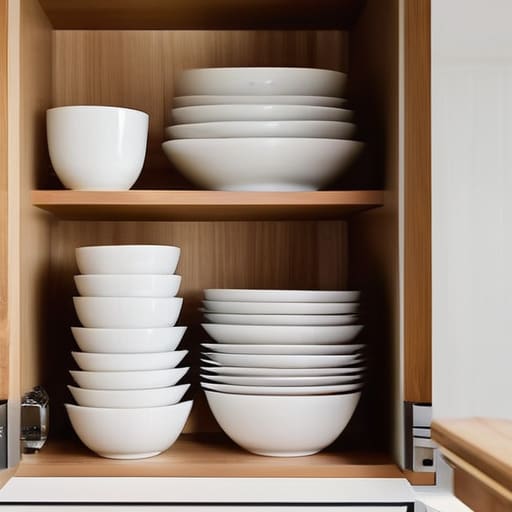
If you’re working with a kitchen that feels more like a Tetris game gone wrong, you don’t need a massive renovation; you just need to get smarter about your footprint. I’ve learned the hard way that when you run out of horizontal space, you have to start looking up. One of my favorite small kitchen storage solutions is utilizing the vertical real estate inside your cabinets. Instead of stacking heavy bowls in a way that makes you want to cry every time you reach for a cereal bowl, try adding some tiered shelf risers. It’s like adding a second story to a house—suddenly, you’ve doubled your usable area without moving a single wall.
Another game-changer is tackling the “junk drawer” syndrome by investing in some decent drawer divider systems. Without them, your spatula and whisk end up in a chaotic pile that feels like a disorganized spice rack during a dinner rush. By creating dedicated “parking spots” for your tools, you stop the constant shuffling and searching. It’s a tiny tweak, but it makes the whole cooking process feel much more intentional and calm.
Smart Pantry Organization Hacks to End Food Waste
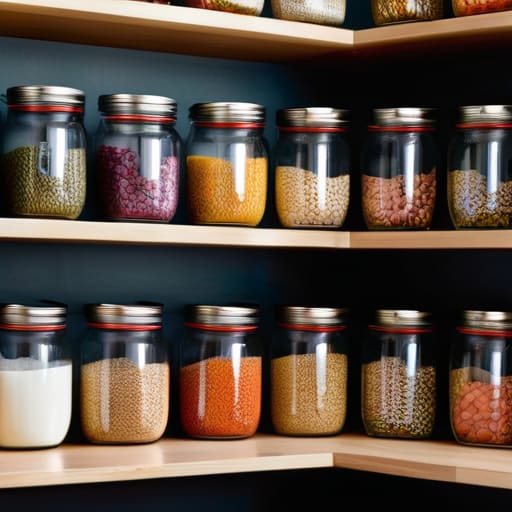
If your pantry feels more like a “mystery box” of expired pasta and forgotten cans, don’t panic—we’ve all been there. Think of your pantry like a well-managed recipe; if you don’t prep your ingredients, the whole meal falls apart. One of my favorite pantry organization hacks is the “First In, First Out” method. It sounds a bit corporate, but it’s basically just making sure the older stuff moves to the front so it actually gets eaten before it turns into a science project.
To really level up, I’m a huge fan of using clear, airtight containers. When you can actually see how much quinoa or lentils you have left, you stop buying duplicates, which is a massive win for your wallet. If you’re working with tight quarters, look into tiered shelving or even lazy Susans for those awkward corner spots. It’s all about maximizing kitchen space so you aren’t playing Tetris every time you want to make a sandwich. Trust me, once you stop digging through the “backwards abyss,” your grocery shopping will feel a whole lot more intentional.
The Secret Sauce: 5 Pro-Tips to Keep Your Kitchen Running Like a Well-Oiled Machine
- Master the “Zone Defense” method. Think of your kitchen like a professional kitchen: you wouldn’t keep the salt in the pantry if you’re constantly cooking at the stove, right? Group your tools by activity—keep all your baking supplies in one dedicated spot and your coffee station all in one nook. It saves you from that frantic “where’s the whisk?” dance every single morning.
- Use vertical space before you lose your mind. If your cabinets feel like they’re bursting at the seams, stop trying to stack things higher and wider. Grab some tension rods or stackable shelf inserts. It’s like adding extra layers to a lasagna; it allows you to fit way more goodness into the same amount of space without everything collapsing into a pile.
- The “One-In, One-Out” rule for gadgets. We’ve all been there—buying a specialized avocado slicer only to realize it takes up more room than the actual fruit. To keep the clutter from creeping back in, make a pact with yourself: if you buy a new air fryer, an old appliance has to go. It keeps your kitchen lean and mean.
- Label everything (even if it feels a little extra). I know, I know, it sounds a bit intense, but labeling your clear bins or spice jars is a total game-changer. It’s like following a recipe; when everything is clearly marked, you aren’t guessing whether that white powder is flour or powdered sugar, which saves you a massive headache mid-recipe.
- Declutter your “junk drawer” with intention. We all have that one drawer that’s basically a graveyard for old batteries, takeout menus, and mystery keys. Instead of letting it become a black hole, grab some small drawer dividers. It turns a chaotic mess into a structured little command center for your most-used essentials.
The Quick Cheat Sheet for a Stress-Free Kitchen
Focus on “prime real estate” by keeping your most-used tools within arm’s reach; if you’re digging through a bottom drawer for a spatula every single morning, it’s time for a relocation.
Treat your pantry like a well-stocked fridge—use clear containers and a “first-in, first-out” system to stop expensive ingredients from turning into science experiments in the back of the shelf.
Don’t aim for a Pinterest-perfect showroom; aim for a system that actually works for your specific cooking style and daily rhythm.
The Secret Ingredient to a Stress-Free Kitchen
“Think of kitchen organization like prepping a complex recipe; if your mise en place is a mess, the whole meal feels like a struggle. But when everything has its own little home, you stop fighting your cabinets and start actually enjoying the process of creating something great.”
Morgan Bennett
Reclaiming Your Culinary Sanctuary
At the end of the day, organizing your kitchen isn’t about achieving that untouchable, Pinterest-perfect aesthetic that looks great in photos but feels impossible to live in. It’s about the small, practical wins we talked about—like finding that one specific spice without a frantic search or finally knowing exactly what’s hiding in the back of your pantry. By implementing those smart storage solutions and being a bit more intentional with your pantry layout, you’re essentially prepping the ingredients for a smoother life. When you stop fighting against your own space, you reclaim the time and energy you need to actually enjoy the process of cooking and being home.
I know that looking at a cluttered countertop or a chaotic junk drawer can feel a bit overwhelming, almost like staring at a recipe with twenty steps you don’t quite understand. But remember, you don’t have to overhaul the entire room in a single weekend. Think of it like a slow-cooker recipe: it takes a little time and patience, but the results are so much more rewarding. Start with one small corner, master it, and then move on to the next. You’ve got this, and I promise that once you find your flow, your kitchen will go from a source of stress to your favorite place to recharge.
Frequently Asked Questions
How do I decide which kitchen gadgets are actually worth keeping and which ones are just taking up precious real estate?
Think of your kitchen gadgets like ingredients in a recipe; if you add too much junk, you ruin the whole dish. To decide what stays, I use the “Rule of Three.” If you haven’t used a tool in three months, or if it only does one specific thing that a multi-purpose tool (like a good chef’s knife) can already handle, it’s time to let it go. Don’t let “just in case” clutter steal your counter space!
I have a super tiny kitchen; are there any specific organizational tricks for people living in apartments or tiny homes?
Look, I’ve been there. Living in a tiny apartment feels a bit like trying to bake a five-course meal in a toaster oven—it’s tight, and everything feels crowded. When square footage is at a premium, you have to stop thinking horizontally and start thinking vertically. Use magnetic knife strips, hanging pot racks, or even those over-the-door organizers for spices. It’s all about reclaiming that “dead” wall space to keep your counters clear for actual cooking!
What's the best way to keep my organization system from falling apart two weeks after I actually set it up?
Honestly, I’ve been there. You spend a whole Saturday color-coding your spice rack, and by Tuesday, it’s a disaster zone again. Think of your organization system like a new sourdough starter—if you don’t feed it daily, it dies. The secret isn’t more bins; it’s “low-friction” habits. If a system takes more than five seconds to maintain, you won’t do it. Build in a “five-minute reset” every night to keep the momentum alive.