I remember sitting at my kitchen table three years ago, surrounded by half-empty coffee mugs and a tangled web of charging cables that looked more like a plate of unorganized spaghetti than a workspace. I was trying to manage high-stakes projects while my laptop balanced precariously on a stack of cookbooks, and let’s just say my productivity was non-existent. I realized then that most of the advice you see online regarding home office setup ideas is just expensive fluff designed to sell you a $1,200 ergonomic chair you don’t actually need. You don’t need a showroom-ready sanctuary to get things done; you just need a space that doesn’t make you want to scream by noon.
In this guide, I’m stripping away the aesthetic nonsense to give you the real-world solutions that actually work for a busy life. I’ve spent years testing everything from DIY cable management to lighting hacks that won’t kill your eyes, and I’m sharing exactly what helped me transition from a corporate cubicle to a functional home studio. My goal isn’t to help you build a Pinterest board, but to help you create a practical command center that supports your workflow without breaking the bank.
Table of Contents
Unlocking Ergonomic Desk Chair Benefits for All Day Comfort
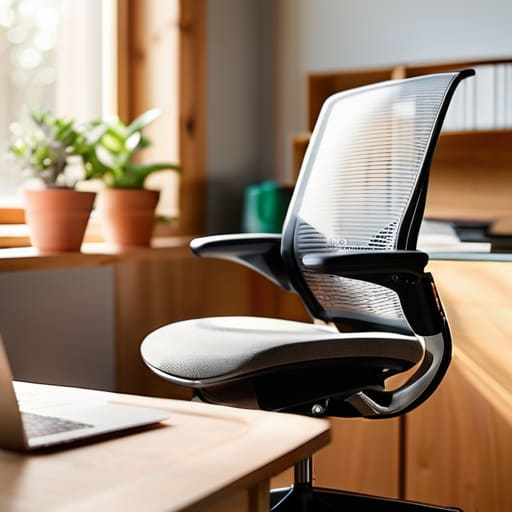
Think of your desk chair as the foundation of a great meal; if the base is shaky, it doesn’t matter how good the rest of the ingredients are. I learned this the hard way during my corporate years, sitting in a stiff, “aesthetic” chair that looked great but left my lower back feeling like it had been through a blender by 3:00 PM. Investing in ergonomic desk chair benefits isn’t just about luxury; it’s about protecting your body so you aren’t spending your evening icing your spine instead of relaxing.
A good chair should act like a customized recipe, adjusting to your specific needs. You want something that offers adjustable lumbar support and armrests that actually align with your desk height. When you find that sweet spot, it becomes a core part of a productive home workspace design, allowing you to focus on your deep work rather than your constant discomfort. If you’re working in a tighter area, don’t worry—you don’t need a massive executive throne to get these benefits. It’s all about finding that perfect balance of support and scale.
Smart Remote Work Lighting Solutions to Beat Midday Fatigue
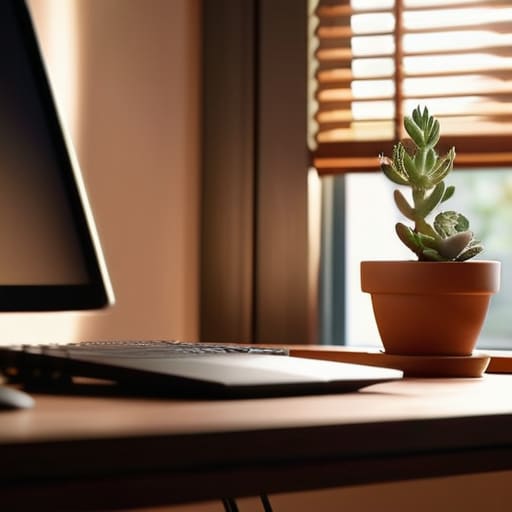
We’ve all been there: it’s 2:00 PM, you’re staring at your screen, and suddenly your eyes feel like they’ve been scrubbed with sandpaper. Most people blame the caffeine crash, but honestly? It’s often just bad lighting. If you’re working under a single, harsh overhead bulb, you’re essentially trying to cook a delicate soufflé in a blast furnace—it’s just too much intensity in all the wrong places. Investing in some thoughtful remote work lighting solutions can be the difference between a focused afternoon and a massive headache.
I’m a big fan of the “layering” approach. Instead of relying on one big light, try combining natural light with a dedicated task lamp. If you have a window, position your desk so the light hits you from the side; this prevents that annoying glare on your monitor. For those of us working in tighter quarters, adding a warm LED strip behind your screen can create a soft backlight that reduces eye strain significantly. It’s a simple tweak to your productive home workspace design that makes your environment feel much more intentional and way less draining.
Small Tweaks, Big Impact: 5 Ways to Level Up Your Workspace
- Don’t overlook the “Golden Zone” for your tech. Think of it like setting up a kitchen: you want your most-used tools—your mouse, keyboard, and coffee mug—within easy reach so you aren’t constantly stretching or straining. If you’re reaching halfway across the desk for your phone every five minutes, your posture is going to pay the price.
- Bring a little life into the room with some greenery. I know, it sounds like a cliché, but adding a low-maintenance plant like a snake plant or a pothos can actually change the vibe of your entire workspace. It’s like adding a pinch of salt to a dish; it just makes everything feel more balanced and less sterile.
- Manage that dreaded cable spaghetti. Nothing kills a productive mood faster than a tangled mess of wires looking like a bowl of unorganized pasta under your desk. Grab some cheap velcro ties or a cable management tray to tuck them away. A clean visual space leads to a much clearer mental space.
- Create a dedicated “Focus Zone” with scent or sound. Since we’re working from home, the lines between “relaxing” and “working” get blurry fast. I like to use a specific candle or a particular lo-fi playlist only when I’m in work mode. It’s a sensory cue that tells your brain, “Hey, it’s time to get stuff done.”
- Invest in a monitor riser or a stack of sturdy books. If you find yourself hunching over like a gargoyle by 3:00 PM, your screen is likely too low. Getting your eyes level with the top third of your monitor is a total game-changer for your neck and shoulders. It’s a simple fix that saves you a lot of future physical therapy visits.
Quick Wins for Your New Workspace
Think of your chair and lighting as the foundation of your kitchen; if the base isn’t solid, the whole “meal” (or workday) is going to fall apart, so don’t skimp on ergonomics or brightness.
Small, intentional tweaks—like adjusting your light source or your seat height—can prevent that massive afternoon energy crash we all dread.
You don’t need a complete home renovation to see results; it’s about making smart, practical adjustments that actually support your body and your focus.
The Secret Sauce of a Great Workspace
“Think of your home office like a slow-cooked stew; if you just throw everything into one pot without a plan, you end up with a mess. But when you layer in the right tools and comfort, everything finally starts to simmer together perfectly.”
Morgan Bennett
Making It Your Own

At the end of the day, building a great home office isn’t about buying every single gadget on the market or recreating a high-end corporate suite in your spare bedroom. It’s about the small, intentional choices—like finding that perfectly supportive chair that doesn’t leave your back feeling like a pretzel by 3:00 PM, or tweaking your lighting so you aren’t squinting through a midday haze. We’ve talked about ergonomics and smart lighting, but the real secret ingredient is how these elements blend together to support your specific workflow. Think of your setup like a well-balanced recipe; you don’t need twenty exotic spices, just a few high-quality ingredients that work in harmony to make the whole experience much smoother.
I know that staring down a list of “improvements” can feel a bit overwhelming, especially when you’re already juggling a million other things. But please remember: you don’t have to overhaul everything overnight. Start with one small tweak this week, see how it feels, and build from there. Your workspace should be a tool that empowers you, not a source of extra stress. I truly believe that when you curate an environment that respects your physical needs and mental energy, you aren’t just working better—you’re living better. You’ve got this, and I can’t wait to hear how your space evolves!
Frequently Asked Questions
How can I create a professional-looking video call background without spending a fortune on decor?
Think of your background like a garnish on a plate—it shouldn’t be the main course, just something that makes the whole presentation look polished. You don’t need a designer budget; try repositioning a bookshelf or adding a single, healthy plant to catch the light. Even a clean, neutral wall works wonders. The trick is depth and intentionality. Just avoid the “cluttered pantry” look by clearing off any distracting knick-knacks before you hit ‘join.’
What are some budget-friendly ways to manage all those messy cables and wires under my desk?
Honestly, a tangled mess of cables is like a recipe with way too much salt—it just ruins the whole experience. To fix it without breaking the bank, I swear by Velcro cable ties instead of those annoying plastic zip ties; they’re way more forgiving if you need to swap gear. You can also grab a cheap cable management box or even just use some adhesive clips to route wires along the underside of your desk. It’s a total game-changer for your sanity.
I live in a pretty small apartment, so how do I set up a productive workspace without it taking over my entire living room?
I totally get it—trying to squeeze a workspace into a small apartment can feel like trying to fit a whole Thanksgiving turkey into a tiny toaster oven. It’s cramped and messy! My go-to trick is “zoning.” Use a small, dedicated nook or even a slim console table that doubles as decor. If you can, grab a rolling cart for your supplies; when the workday ends, you just tuck it away, and your living room is a living room again.