I’ll be honest: whenever I see those glossy magazines filled with “sustainable living” advice, I usually want to roll my eyes. They make it seem like you need to spend five grand on solar panels and live in a yurt made of recycled hemp just to make a dent. It’s all so exhausting and, frankly, overpriced. I’ve spent way too many hours researching how to actually implement eco friendly home tips without draining my savings account or turning my living room into a science experiment. Most of the “green” advice out there is like a recipe that calls for exotic spices you can’t find anywhere—it sounds great on paper, but it’s totally impractical for a normal person just trying to get through the week.
I’m not here to sell you on a lifestyle overhaul that requires a PhD in environmental science. Instead, I want to share the real-world tweaks I’ve actually tested in my own house—the ones that actually work and don’t make your life a chore. We’re going to skip the hype and focus on small, actionable shifts that save you money and reduce your footprint simultaneously. Let’s get into the stuff that actually makes sense for your daily routine.
Table of Contents
Smart Energy Efficient Home Upgrades for Busy Lives
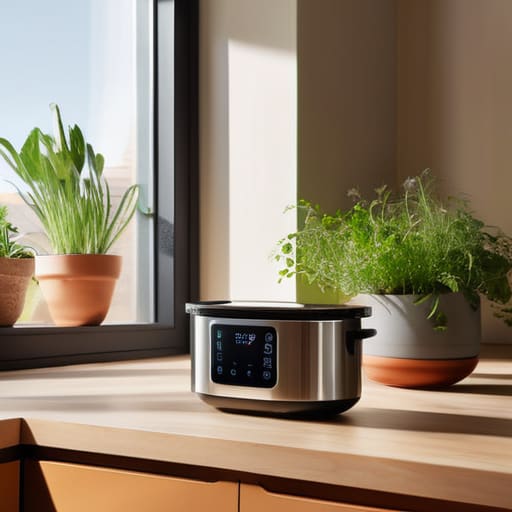
If you’re anything like me, your “to-do” list is probably long enough as it is. The last thing you want is a massive, month-long renovation just to feel better about your environmental impact. Think of energy efficient home upgrades like prepping a slow cooker meal; you do a little bit of setup upfront, and then the system does the heavy lifting for you while you focus on your actual life.
One of my favorite “set it and forget it” moves is installing a smart thermostat. It’s a total game-changer for anyone who forgets to dial back the AC when heading out for the day. By automating your temperature control, you’re not just saving a few bucks on your utility bill, but you’re also taking a massive step to reduce your household carbon footprint without even thinking about it.
I’m also a huge fan of swapping out old, hungry lightbulbs for smart LED systems. It’s a tiny tweak, but when you pair that with smart plugs to kill “vampire power” from electronics, you’re basically giving your home a digital detox. It’s about making your space work smarter, not harder.
Practical Water Conservation Techniques for Every Day
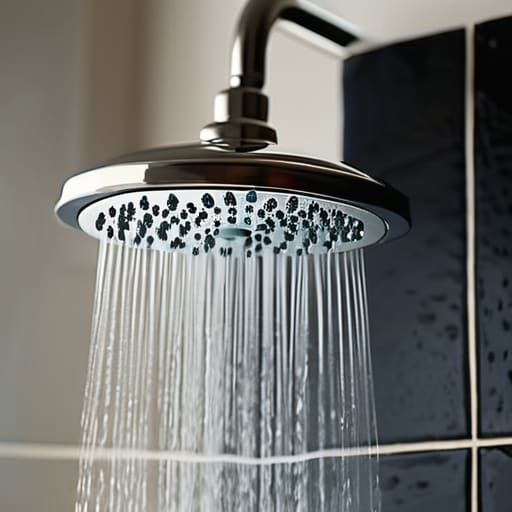
Now, let’s talk about something that often flies under the radar until the water bill hits your inbox: water usage. Think of your home’s plumbing like a delicate sourdough starter; if you let it run wild without any oversight, things get messy and wasteful real fast. One of the easiest ways to start implementing water conservation techniques is by auditing your fixtures. Swapping out those old, high-flow showerheads for low-flow versions is a total game-changer. It’s like switching from a heavy-duty power washer to a gentle mist—you get the same refreshing experience, but you aren’t essentially trying to drain a lake every time you hop in the shower.
Beyond the bathroom, don’t overlook the kitchen and garden. If you’re washing veggies, try using a bowl of water instead of letting the tap run continuously. It’s a small tweak, but those little habits add up when you’re trying to reduce your household carbon footprint over the long haul. Even something as simple as fixing a leaky faucet—which, let’s be honest, is usually just a five-minute DIY fix—can save hundreds of gallons a year. It’s all about those tiny, sustainable shifts that keep your home running smoothly without the extra stress.
Low-Effort, High-Reward: Easy Swaps for a Greener Space
- Let’s talk about the “hidden” energy vampires. You know those little standby lights on your TV or coffee maker? They’re like those tiny, uninvited guests who stay at a party way too long and eat all your snacks. Plugging your electronics into smart power strips can cut them off completely when you aren’t using them, saving you money and a bit of extra carbon.
- Swap out your old-school cleaning supplies for concentrated refills. Think of it like making a big batch of soup; instead of buying a new container of liquid every single time, you just keep the base and add a little water. It reduces plastic waste significantly and saves a ton of precious cabinet space.
- It’s time to embrace the “slow cooker” mentality with your laundry. Washing your clothes in cold water isn’t just a trend; it’s a massive energy saver because your machine isn’t working overtime to heat up the water. Plus, your favorite t-shirts will probably last a lot longer without all that heat damage.
- Check your seals like you’re checking a recipe for a leak. If you feel a draft around your windows or doors, it’s like leaving the lid off a pot of boiling water—you’re just letting all that hard-earned heat escape into thin air. A quick roll of weatherstripping can make your home feel much cozier and keep your utility bills from spiking.
- Rethink your trash by starting a small-scale composting setup. Even if you don’t have a massive backyard, a countertop bin for food scraps is a game-changer. It’s basically like turning your kitchen leftovers into “black gold” for your houseplants, keeping organic waste out of landfills where it just sits around doing nothing.
The Big Picture: Keeping it Simple and Sustainable
Don’t feel like you have to overhaul your entire life overnight; think of it like seasoning a dish—start with small, intentional tweaks that build up over time.
Focus on the high-impact areas like energy and water first, as these provide the best “return on investment” for both your wallet and the planet.
Technology isn’t the enemy—when used correctly, smart home tools can actually do the heavy lifting for you, making a sustainable lifestyle feel effortless rather than like another chore on your to-do list.
## A Little Perspective on Going Green
“Think of eco-friendly living less like a strict, complicated diet and more like perfecting a family recipe; you don’t have to change every single ingredient overnight, you just need to make those small, thoughtful swaps that make the whole thing better for everyone in the long run.”
Morgan Bennett
Making It Stick
Look, I know that trying to overhaul your entire lifestyle overnight feels a bit like trying to bake a five-tier wedding cake when you’ve never even cracked an egg. It’s overwhelming. But as we’ve walked through, making your home more eco-friendly doesn’t have to be an “all or nothing” situation. Whether you’re upgrading to smart tech to shave a few bucks off your energy bill or just being a little more mindful about how much water runs while you’re brushing your teeth, these small tweaks add up. It’s about layering these habits one by one until they just become part of your daily rhythm, rather than another stressful item on your to-do list.
At the end of the day, my goal isn’t to turn you into a perfect environmentalist overnight—honestly, I’m still working on my own plastic usage! My goal is to help you find those meaningful, manageable shifts that actually fit into your real, busy life. You don’t need to be perfect to make a difference; you just need to be intentional. So, pick one thing from this list, try it out this week, and see how it feels. Let’s keep decoding these modern complexities together, one small, green step at a time. You’ve totally got this!
Frequently Asked Questions
I know I want to go green, but how do I figure out which changes will actually save me money on my utility bills first?
Think of it like prepping a big Sunday roast: you don’t just throw everything in the oven and hope for the best; you start with the high-impact ingredients. To find your biggest wins, grab your last three utility bills and look for the “leaks.” Are you spending a fortune on heating? Check your insulation. Is your water bill spiking? Look at your fixtures. Focus on the changes that slash your highest monthly cost first—that’s your quickest path to seeing real savings.
Are there any eco-friendly home swaps that are actually worth the investment, or am I just paying a "green premium" for stuff that doesn't work as well?
Look, I’ve been there—staring at a $25 “eco-friendly” sponge that feels like recycled cardboard. It’s frustrating. Honestly? Some stuff is just marketing fluff. But there are definitely swaps worth the “green premium” because they actually pay you back. Think of it like buying a high-quality chef’s knife instead of a cheap one; it lasts longer and works better. Focus on things like LED bulbs or concentrated cleaners—they save money and effort in the long run.
For someone living in a rental, what are some low-effort, non-permanent ways to make my space more sustainable without losing my security deposit?
Look, I totally get it. When you’re renting, you can’t exactly go ripping out the old appliances or installing solar panels without your landlord breathing down your neck. Think of it like seasoning a pre-made soup—you aren’t changing the base, just adding your own flavor. Swap out old bulbs for LEDs, grab some low-flow showerheads, and use smart power strips to kill “vampire” energy. It’s low-effort, keeps your deposit safe, and actually works.