I still remember the absolute chaos of my first attempt at setting up a “connected” living room. I was sitting on my floor, surrounded by tangled white cables and three different instruction manuals, feeling less like a tech wizard and more like a guy who had accidentally bought a pile of expensive paperweights. The marketing promised a seamless, futuristic lifestyle, but the reality was a frustrating loop of “device not found” errors and blinking red lights. If you’ve ever felt like you need a PhD in computer science just to turn your lights on, trust me, I’ve been there. The truth is, most advice regarding a smart home for beginners is either way too expensive or way too complicated, treating a simple home upgrade like you’re building a NASA control center.
I’m not here to sell you on a lifestyle that requires a full-time IT department to maintain. Instead, I want to give you the straightforward blueprint for building a system that actually works for your real, messy life. We’re going to cut through the fluff and focus on the gadgets that offer genuine value without breaking your bank account. Consider this your no-nonsense guide to making your space work for you, one practical step at a time.
Table of Contents
Mastering the Iot Connectivity Basics for Real Results

Think of your smart home like a gourmet kitchen. You can have the finest copper pans and the sharpest knives, but if your stove doesn’t connect to your gas line, you’re just left with expensive metal sitting on a counter. In the tech world, we call this iot connectivity basics. Before you start buying every flashy gadget on the market, you need to make sure they actually speak the same language. If your smart lightbulb only talks to one app and your smart lock only talks to another, you aren’t building a system; you’re just collecting digital paperweights.
This is where a solid smart home ecosystem setup becomes your secret ingredient. You really want to decide on a “brain” for your house early on—whether that’s through a specific brand or a central hub. I always tell people to check for voice assistant compatibility before hitting that “buy now” button. It’s much easier to pick devices that play well together from the start than to try and force a mismatched group of gadgets to cooperate later. Trust me, nobody wants a smart home that feels like a recipe where the ingredients are constantly fighting each other.
Choosing the Best Smart Devices for Newcomers
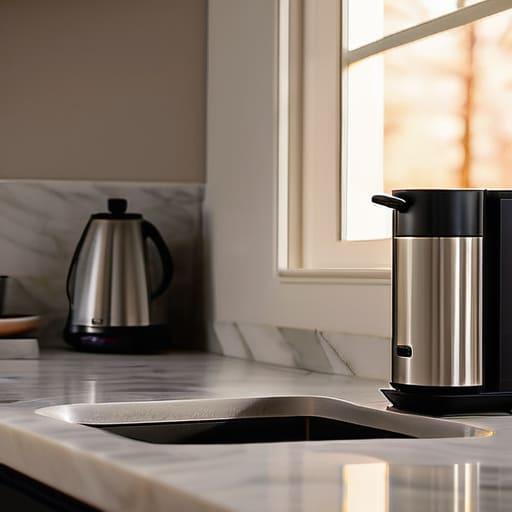
Now, I know what you’re thinking: walking into a tech store feels like trying to read a menu written in a language you haven’t learned yet. It’s overwhelming! But here’s the secret: don’t try to buy the whole kitchen at once. When you’re looking for the best smart devices for newcomers, start with the stuff that actually solves a daily annoyance. For me, that was a smart plug for my coffee maker. It’s a tiny investment, but it’s like adding a dash of salt to a bland soup—it just makes everything better.
As you pick your first few gadgets, keep a close eye on voice assistant compatibility. You don’t want to end up with a collection of devices that refuse to talk to each other, like a group of picky eaters at a dinner party. Whether you’re team Alexa, Google, or Apple, ensuring everything plays nice within your chosen smart home ecosystem setup will save you a massive headache down the road. Stick to the basics first—lighting, temperature, or a simple security camera—and build your empire from there.
Five Pro-Tips to Keep Your Smart Home from Becoming a Tech Headache
- Start with a “Single Hub” Strategy. Think of your smart home like a well-organized kitchen; you wouldn’t want five different chefs all trying to use different sets of tools at the same time. Pick one ecosystem—like Apple HomeKit, Google Home, or Amazon Alexa—to be your main command center. It keeps everything talking to each other without you having to play middleman between ten different apps.
- Don’t Neglect Your Wi-Fi Foundation. You can buy the fanciest smart locks and lights on the market, but if your Wi-Fi is acting like a tired old laptop from 2012, nothing is going to work smoothly. Before you go on a shopping spree, make sure your router can handle the extra “traffic.” If you’re adding dozens of devices, you might actually need a mesh network to keep the signal strong in every corner.
- Prioritize Security Like You Prioritize Your Front Door. It’s easy to get caught up in the “cool factor,” but remember that every connected device is a potential doorway into your network. Change those default passwords immediately and always enable two-factor authentication. It’s a bit like adding a deadbolt to your digital life—it might take an extra second, but it’s worth the peace of mind.
- Think in “Automations,” Not Just “Gadgets.” A smart bulb is just a lightbulb until you tell it to dim when you start a movie. The real magic happens when you move past remote control and into automation. Instead of just buying things to turn them on and off with your phone, look for ways they can react to your life—like lights that turn on automatically when you walk into the hallway at night.
- Scale Slowly to Avoid “Feature Fatigue.” I’ve seen people try to automate their entire house in a single weekend, and let me tell you, it’s a recipe for burnout. It’s much better to treat your smart home like a slow-cooked stew—add one or two high-impact items (like a smart thermostat or a doorbell camera), see how they fit into your actual daily routine, and then build from there.
The Quick Cheat Sheet for Your Smart Home Journey
Start small and solve real problems first—don’t buy a smart toaster just because it’s shiny; pick devices that actually fix a daily headache, like a smart plug for that annoying lamp.
Prioritize compatibility above all else to avoid “tech soup”; make sure your new gadgets all play nice with the same ecosystem (like Alexa or Google Home) so you aren’t juggling ten different apps.
Think of your Wi-Fi as the kitchen pantry of your smart home—if it’s disorganized or weak, none of your “ingredients” (devices) will work properly, so ensure your connection is solid before you start adding more gear.
The Secret Sauce to a Smart Home
“Think of setting up a smart home like cooking a complex new recipe: you don’t start by throwing every exotic spice into the pot at once. You start with the basics, get your seasoning right, and build from there. If you try to automate your entire life in one weekend, you’re just going to end up with a digital kitchen fire.”
Morgan Bennett
Bringing It All Home
Look, I know it can feel like you’re trying to follow a recipe where half the ingredients are written in code, but we’ve covered a lot of ground today. From making sure your Wi-Fi can actually handle the heavy lifting to picking out those first few “hero” devices like smart plugs or lights, the goal isn’t to turn your house into a sci-fi movie set overnight. It’s really just about building a foundation that works for you. Remember, you don’t need to buy every shiny new gadget on the market to see a difference; it’s all about starting small and ensuring your devices actually talk to each other without a digital meltdown.
At the end of the day, a smart home shouldn’t be another chore on your to-do list or a source of tech-induced headaches. It should be the secret ingredient that makes your daily routine feel a little more seamless and a lot more enjoyable. Don’t be afraid to experiment, make a few mistakes, and pivot when something doesn’t work quite right—that’s just part of the DIY journey. I truly believe that once you find that perfect rhythm, you’ll wonder how you ever managed without it. So, go ahead, take that first step, and let’s start making your space work for you.
Frequently Asked Questions
Do I really need a dedicated hub, or can I just run everything through my phone?
Think of your smart home like a dinner party. Running everything through your phone is like trying to serve five different courses while juggling five separate plates; it works, but you’re going to be exhausted and things might drop. A dedicated hub is like having a reliable sous-chef. It gathers all those individual “plates” into one central station, making sure your lights, locks, and thermostat actually talk to each other without the headache.
How much is this actually going to add to my monthly utility bills?
That’s the million-dollar question, right? Honestly, it’s a bit like adding extra spices to a recipe—if you do it right, it enhances everything; if you go overboard, it gets expensive. While the gadgets themselves draw a tiny bit of power, the real magic is in the savings. Between smart thermostats and automated lighting, most people see their utility bills actually drop. You aren’t just spending money; you’re investing in a system that stops wasting it.
Is my home network going to crash if I start adding dozens of these little gadgets?
That is a totally fair question, and honestly, it’s the one everyone asks right before their Wi-Fi starts acting like a moody teenager. Think of your router like a kitchen countertop: it can only hold so many ingredients before things start falling off the edge. If you cram dozens of gadgets onto a basic ISP router, things will definitely get sluggish. The trick is upgrading to a mesh system to spread the load.