I remember sitting at my kitchen table last August, staring at a utility statement that felt less like a bill and more like a personal insult. I’d done everything the “experts” suggested—turning the thermostat down to freezing and sitting in the dark like a hermit—but the numbers just kept climbing. It’s incredibly frustrating because most of the advice you find online about how to save on utility bills is either way too expensive or just plain impractical for anyone living a real, busy life. Honestly, if I see one more article telling me to buy a thousand-dollar smart system just to save twenty bucks, I might lose it.
I’m not here to sell you on high-tech gadgets you don’t need or lifestyle changes that make your home feel like a cave. Instead, I want to share the actual, low-effort tweaks I’ve tested in my own house that actually move the needle. We’re going to skip the fluff and focus on practical, no-nonsense strategies that protect your budget without making your daily routine a total headache. Let’s get into the real ways you can reclaim your hard-earned cash.
Table of Contents
- Smart Thermostat Benefits for Real World Savings
- Home Insulation Techniques That Actually Work
- Five Small Tweaks to Stop Your Cash from Leaking Out the Windows
- The Bottom Line on Slashing Your Bills
- The Secret Ingredient to a Leaner Budget
- Taking Control of Your Monthly Expenses
- Frequently Asked Questions
Smart Thermostat Benefits for Real World Savings
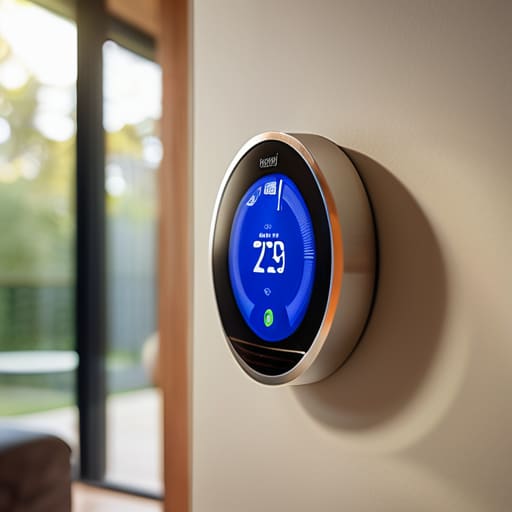
If you’re like me and have a slight obsession with tinkering with smart home gadgets, you probably already know that a smart thermostat is a total game-changer. Think of it like a sous-chef for your HVAC system; instead of you constantly hovering over the dial to make sure the house isn’t too hot or too cold, the device does the heavy lifting for you. One of the biggest smart thermostat benefits is its ability to learn your daily rhythm. It notices when you’re heading out for work or curling up for a movie night, adjusting the temperature automatically so you aren’t essentially heating or cooling an empty house.
It’s one of those energy efficient home improvements that actually pays for itself in the long run. Instead of guessing when to turn the AC down, these devices use precision scheduling to ensure you’re only using power when it actually matters. It’s not just about convenience, though; it’s about reducing monthly household expenses by eliminating that mindless energy waste. It’s a small tweak to your setup that yields massive results for your budget.
Home Insulation Techniques That Actually Work
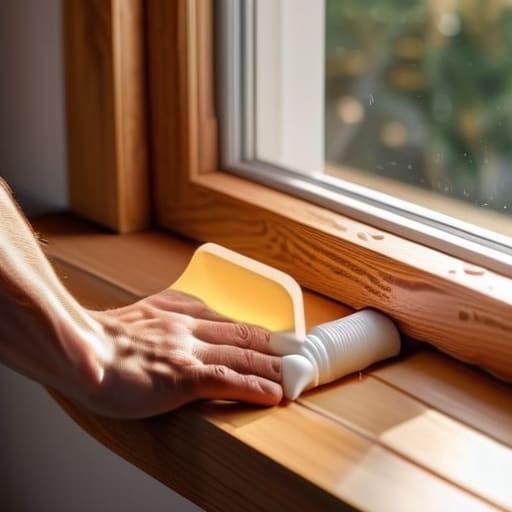
Think of your home like a slow cooker. If the lid isn’t sealed tight, all that delicious heat escapes, and you’re left working twice as hard just to keep things warm. That’s exactly how poor insulation works with your HVAC system. When we talk about home insulation techniques, most people immediately think of ripping up floorboards, but it’s often much simpler than that. A huge amount of energy loss happens through “air leaks”—those sneaky gaps around windows, doors, and even electrical outlets. I’ve found that using simple caulk or weatherstripping is one of the most effective ways of reducing monthly household expenses without needing a massive renovation budget.
If you want to go a step further, take a look at your attic. It’s essentially the “top layer” of your home’s thermal blanket. If that layer is thin or uneven, your expensive heated or cooled air is basically evaporating through the roof. Investing in high-quality attic insulation is one of those energy efficient home improvements that pays for itself faster than almost anything else. It’s not just about comfort; it’s about making sure the hard work your heater is doing actually stays where it belongs—inside your living room.
Five Small Tweaks to Stop Your Cash from Leaking Out the Windows
- Let’s talk about your water heater. Most of these things are set to a default temperature that’s basically “lava status,” which is totally overkill for a shower. Dialing it down to about 120°F is like turning down the heat on a slow-cooker that’s already done its job—you’ll save a chunk on your gas or electric bill without ever noticing the difference in your morning rinse.
- Stop treating your dishwasher like a personal errand runner. I know, it’s tempting to toss in a single coffee mug or one plate, but running a half-empty machine is like driving a massive SUV just to go to the mailbox. Wait until you have a full load, and if your machine has an “Eco” mode, use it. It’s designed to use less water and lower heat, which is a win-win for your wallet.
- Check your phantom power drains. You know those little red or green lights on your TV, coffee maker, or gaming console? They might look harmless, but they’re like tiny, slow leaks in a garden hose. If you aren’t using something, plug it into a smart power strip or just flip the switch. It’s the easiest way to stop paying for electricity you aren’t even using.
- Give your AC (or heater) some breathing room. If your air vents are tucked behind a heavy velvet curtain or a massive bookshelf, your HVAC system is working twice as hard to push air through the obstacles. Think of it like trying to blow air through a straw filled with cotton balls—it’s inefficient and exhausting. Keep those vents clear to let the air flow naturally.
- Be a bit more intentional with your laundry. I used to be a “wash as I go” kind of person, but that’s a budget killer. Switching to cold water washes for most of your clothes is a total game-changer. Heating the water is one of the most energy-intensive parts of the cycle, so skipping the heat is like skipping the preheat step on your oven—it saves a ton of energy and, honestly, it’s gentler on your favorite shirts too.
The Bottom Line on Slashing Your Bills
Think of your home like a slow cooker; if the lid isn’t sealed tight with good insulation, you’re just wasting energy (and money) trying to keep things warm.
Upgrading to a smart thermostat isn’t just a tech flex—it’s like having a sous-chef who automatically turns down the heat when you aren’t in the kitchen, saving you cash while you sleep.
Small, consistent tweaks to how you manage your home’s environment yield much better long-term results than waiting for one massive, expensive overhaul.
The Secret Ingredient to a Leaner Budget
“Think of your utility bills like a complex sourdough recipe; if you aren’t watching the temperature of your kitchen or if your container has tiny, invisible leaks, the whole thing just goes south. Saving money isn’t about starving yourself of comfort, it’s about fine-tuning your home’s settings so you aren’t paying for energy that’s just leaking out into the driveway.”
Morgan Bennett
Taking Control of Your Monthly Expenses
At the end of the day, slashing those utility bills isn’t about one massive, expensive overhaul; it’s more like perfecting a complex recipe where every small ingredient matters. We’ve looked at how a smart thermostat can act as your automated sous-chef for temperature control, and how beefing up your home insulation is essentially like putting a high-quality lid on a simmering pot to keep the heat where it belongs. Whether you’re tweaking your settings or sealing up those sneaky drafts, these incremental adjustments add up to significant breathing room in your monthly budget. It’s all about being intentional with your resources rather than just letting them leak away through cracks in the window or inefficient habits.
I know that staring at a rising energy bill can feel a bit overwhelming, like looking at a mountain of unwashed dishes, but I promise you can tackle this one step at a time. Don’t feel like you have to renovate your entire house by next Tuesday to see a difference. Start with one small project—maybe just a programmable thermostat or some weatherstripping—and celebrate that win. You have the power to reclaim your hard-earned money and redirect it toward the things that actually bring you joy. Let’s stop letting our utility companies dictate our financial comfort and start building a smarter, more efficient home together.
Frequently Asked Questions
Are there any specific smart home gadgets besides a thermostat that actually pay for themselves in energy savings?
Honestly, it’s a great question. Think of it like adding a dash of salt to a dish—it’s a small addition that makes the whole thing work better. Beyond thermostats, smart plugs are absolute game-changers for killing “vampire energy” from electronics that suck power even when they’re off. Also, smart lighting with motion sensors can pay for itself surprisingly fast by ensuring you aren’t accidentally lighting up an empty room all night.
I’m on a tight budget—what are some low-cost DIY insulation fixes I can do this weekend without hiring a pro?
Look, I totally get it—when the budget is tight, the last thing you want to do is drop a fortune on a contractor. Think of DIY insulation like adding a little extra seasoning to a soup; it’s the small tweaks that make the whole thing much richer. This weekend, grab some weatherstripping for your doors and some caulk to seal those sneaky gaps around window frames. It’s cheap, easy, and keeps the warmth where it belongs.
How much of a difference does it really make to adjust my water heater temperature, or is that just an old wives' tale?
It’s definitely not an old wives’ tale—it’s actually one of those low-effort, high-reward tweaks. Think of your water heater like a stovetop burner left on high when you aren’t even cooking; it’s just burning energy for no reason. Most manufacturers set them to 140°F, but 120°F is usually plenty for a hot shower. Dialing it back is like swapping a heavy cream sauce for a light vinaigrette—it keeps things running smoothly without the unnecessary overhead.