I still remember the exact moment I realized my “aesthetic” living room was a total lie. I had just spent a small fortune on a cream-colored, velvet sectional—the kind of piece that looks stunning in a magazine but is essentially a magnet for golden retriever hair and muddy paw prints. Within forty-eight hours, my sanctuary looked less like a designer showroom and more like a disaster zone. It’s frustrating because the internet loves to sell us this myth that you have to choose between a beautiful house and a happy dog, but honestly, that’s just bad design. You shouldn’t have to sacrifice your sanity or your style just to accommodate your best friend; you just need better pet friendly home ideas that actually work in the real world.
I’m not here to peddle expensive, high-end gadgets that promise to solve everything but end up gathering dust in a corner. Instead, I want to share the practical, no-nonsense tweaks I’ve learned through trial and error—from choosing the right fabrics to smarter floor layouts. We’re going to decode how to build a space that feels like a home for both of you, without the unnecessary fluff.
Table of Contents
Selecting Durable Fabrics for Pet Owners and Busy Lives

Think of choosing your sofa like picking the right ingredients for a slow-cooked stew; if you go with something too delicate, the whole thing falls apart the moment things get heated. When you’re living with claws and zoomies, you need to prioritize scratch resistant furniture materials like microfiber or tightly woven synthetics. I used to have this gorgeous velvet armchair that looked like a million bucks, but after my golden retriever decided it was his personal scratching post, it looked more like a shredded wheat biscuit. Now, I stick to performance fabrics that can actually handle a little bit of chaos without losing their shape or dignity.
It isn’t just about the couch, though. If you’re looking for durable fabrics for pet owners, don’t overlook your window treatments or area rugs. I’ve found that choosing low-pile rugs or even indoor/outdoor materials for the living room can be a total game-changer for vacuuming up those inevitable stray hairs. It’s all about finding that sweet spot where your style meets real-world resilience, ensuring your home stays looking sharp even when the pets are running wild.
Smart Pet Friendly Flooring Options for Every Room
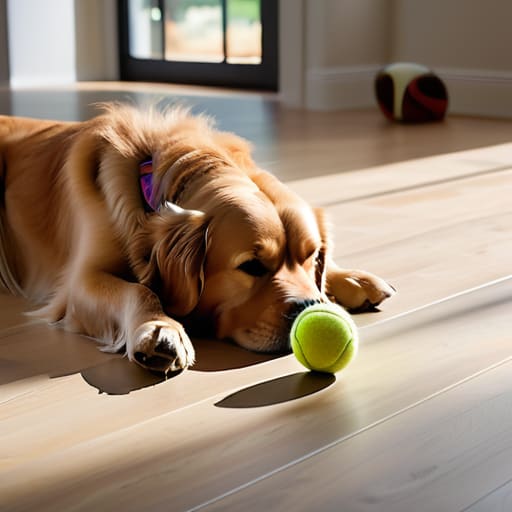
If you think of your home like a slow-cooked stew, the flooring is essentially the heavy-duty Dutch oven—it’s the foundation that has to withstand constant heat, spills, and a whole lot of stirring. When you’re looking at pet friendly flooring options, you really want to steer clear of anything that’s going to show every single claw mark or accidental puddle. I used to think hardwood was the gold standard, but after my dog decided a rogue tennis ball was a personal challenge to the finish, I learned my lesson.
Laminate and luxury vinyl plank (LVP) have become my absolute go-tos. They offer that sleek, modern look we all crave, but they are incredibly resilient against scratches and moisture. If you’re leaning more toward a cozy vibe, consider a high-quality tile or even certain types of cork, which offers a bit of natural cushion for older pups with aching joints. The goal is to find that sweet spot where the floor looks intentional and stylish, rather than looking like you’ve just surrendered your living space to the chaos of pet ownership.
Small Tweaks, Big Wins: 5 Ways to Keep Your Space (and Sanity) Intact
- Set up a “Command Center” for pet gear. You know that frantic, five-minute scavenger hunt for the leash or the treats right before you head out the door? It’s like trying to find a specific spice in a messy pantry when you’re halfway through cooking. Grab a stylish basket or a dedicated wall hook near the entryway to keep the essentials in one spot so you aren’t hunting for gear while your dog is staring at you expectantly.
- Master the art of vertical space. If you have a cat, stop thinking about floor space and start thinking about walls. Adding a few sleek, modern floating shelves or a sturdy cat tree doesn’t just give them a place to zoom; it keeps them off your expensive countertops and away from any “oops” moments with your morning coffee.
- Invest in a high-quality air purifier. Let’s be real: even the cleanest homes can get a little… fuzzy. Think of an air purifier like a fine-mesh strainer for your living room; it catches the dander and pet hair before it settles into your rugs and upholstery, keeping the air feeling fresh rather than “dog-scented.”
- Create a “hidden” feeding station. Instead of having bowls cluttering up the middle of the kitchen floor, try tucking them into a dedicated nook or using a raised feeder that looks like a piece of furniture. It keeps the “feeding zone” contained and makes the whole room look intentional rather than just a place where a pet eats.
- Plan your greenery with care. I love a good indoor jungle, but many common houseplants are actually toxic to our furry friends. Before you go wild at the nursery, do a quick check on sites like the ASPCA. If you really want that lush look, stick to pet-safe options like Calatheas or Spider Plants so you aren’t constantly playing doctor.
Quick Wins for a Pet-Friendly Space
Prioritize “life-proof” materials like performance fabrics and scratch-resistant flooring to save yourself from endless cleaning marathons.
Think about your layout in terms of flow, ensuring there’s enough room for your furry roommates to navigate without tripping you up.
Don’t feel like you have to choose between style and sanity; a few smart, durable tweaks can keep your home looking polished while still being a playground for your pets.
## The Heart of the Home
“Designing a pet-friendly home isn’t about choosing between your aesthetic and your animals; it’s about finding that perfect recipe where durability meets comfort, so you can enjoy your space without constantly worrying about a stray hair or a muddy paw print.”
Morgan Bennett
Making It Your Own
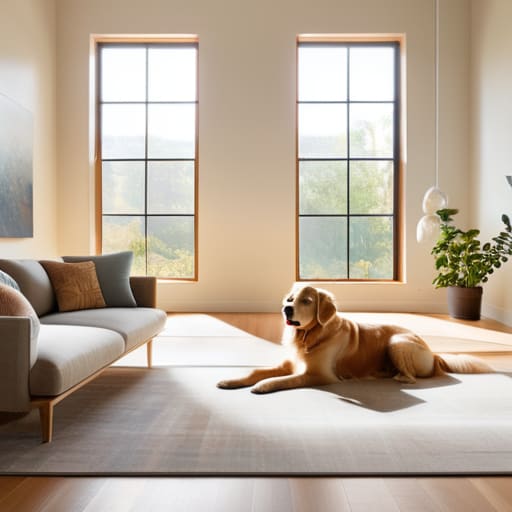
At the end of the day, designing a pet-friendly home isn’t about choosing between a beautiful living room and a happy dog; it’s about finding that sweet spot where both can coexist. We’ve walked through the heavy hitters—from picking out durable, snag-resistant fabrics that can survive a rogue claw, to selecting flooring that won’t turn into a slip-and-slide for your senior pup. Think of it like perfecting a complex sourdough recipe: you might have to tweak the hydration or the temperature a few times, but once you get the ratios right, the result is absolutely seamless. It’s all about making those small, intentional shifts in your environment so you aren’t constantly playing defense against fur and scratches.
Ultimately, your home should be a sanctuary for the people (and paws) you love most. Don’t get so caught up in the “perfect” Pinterest aesthetic that you forget the real reason we build these spaces: to create memories. If a slightly scuffed floorboard or a well-loved rug is the price of admission for a lifetime of companionship, then I say pay it every single time. Your home isn’t a museum; it’s a living, breathing part of your journey. So, go ahead and make those smart tweaks, embrace the occasional stray hair, and focus on building a life that feels as good as it looks.
Frequently Asked Questions
How can I keep my home smelling fresh without using harsh chemicals that might irritate my pet's nose?
Keeping your home smelling great shouldn’t feel like a chemistry experiment gone wrong. Since our furry friends have noses way more sensitive than ours, I skip the heavy synthetic sprays. Instead, I treat air freshening like a slow-simmered stew: use natural ingredients like baking soda to absorb odors, or simmer some citrus peels and cinnamon on the stove. It’s a gentle, effective way to refresh your space without making your pet sneeze.
Are there any specific smart home gadgets that can actually help manage pet hair or monitor them while I'm out?
Think of your smart home like a well-oiled kitchen—the right tools make the prep work a breeze. For the hair situation, a robot vacuum with a “no-go zone” feature is a total game-changer; you can schedule it to run while you’re at work so you don’t come home to a tumbleweed of fur. If you’re worried about them being lonely, smart cameras with two-way audio let you check in and even toss them a quick “hey buddy!” through the speaker.
What's the best way to decorate with plants if I have a curious cat or a dog that thinks every leaf is a snack?
Think of your plant decor like a delicate soufflé—it’s all about the placement and the prep. If your pet is a professional nibbler, skip the floor plants and go vertical. I’m talking hanging macramé planters or sturdy floating shelves that are way out of reach. For the low-level greenery, stick to pet-safe varieties like spider plants or calatheas. It’s basically like putting the spicy ingredients on the top shelf so the kids don’t get into them!