I remember sitting at my old desk in the corporate world, staring at a color-coded planner that looked like a work of art, while my actual workload felt like a runaway freight train. I had spent forty minutes meticulously selecting the perfect highlighters, only to realize I hadn’t actually done a single productive thing all morning. It’s the ultimate productivity trap: we get so obsessed with the aesthetic of organization that we forget the actual goal. Most of the to do list tips you find online are just fancy ways to procrastinate, promising that if you just find the right app or the perfect notebook, your life will suddenly stop feeling like a chaotic kitchen during the dinner rush.
I’m not here to sell you on a $50 digital planner or a complex system that requires a PhD to operate. Instead, I want to share the gritty, battle-tested strategies I’ve gathered from years of managing projects and, more importantly, managing my own burnout. We’re going to strip away the fluff and focus on practical, no-nonsense ways to actually move the needle. My goal is to help you build a system that works for you, rather than a system you have to work for.
Table of Contents
- Mastering Prioritization Methods Like the Eisenhower Matrix
- Digital vs Paper Planners Finding Your Perfect Fit
- Five Ways to Stop Staring at Your List and Actually Start Doing
- The Quick Cheat Sheet for Your New Routine
- ## The Secret Ingredient to a Productive Day
- Reclaiming Your Day
- Frequently Asked Questions
Mastering Prioritization Methods Like the Eisenhower Matrix

Think of your to-do list like a pantry full of ingredients. If you try to cook everything at once, you’ll end up with a kitchen fire and a very sad dinner. That’s exactly what happens when we treat every task—from “respond to urgent client email” to “buy more lightbulbs”—with the same level of intensity. This is where mastering prioritization methods like the Eisenhower Matrix becomes your secret sauce. It’s a simple four-quadrant system that helps you separate the “must-dos” from the “nice-to-dos,” ensuring you aren’t just busy, but actually effective.
Instead of just reacting to whatever notification pings your phone, use the matrix to categorize tasks by urgency and importance. The goal is to spend less time in the “urgent but unimportant” zone—those pesky distractions that feel pressing but don’t actually move the needle. By integrating this into your daily planning routines, you stop playing defense and start playing offense. It’s about being intentional with your energy so you can tackle the big, meaningful projects without feeling like you’re constantly treading water in a sea of trivialities.
Digital vs Paper Planners Finding Your Perfect Fit
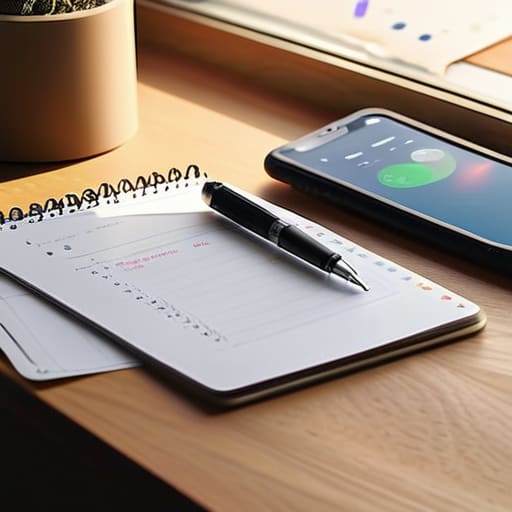
Now, let’s tackle the age-old debate that keeps productivity nerds up at night: digital vs paper planners. It’s a bit like choosing between a high-tech air fryer and a classic cast-iron skillet. One is precise, programmable, and stays synced across all your devices, while the other offers a tactile, sensory experience that a screen just can’t replicate. If you’re someone who loves having your schedule tucked into your smartphone and needs instant notifications to stay on track, a digital app is your best friend. It’s perfect for implementing time blocking techniques because you can drag and drop tasks with a single swipe, making adjustments on the fly without a mess of crossed-out ink.
On the flip side, there is something almost magical about the physical act of writing a task down. For me, grabbing a pen and feeling that friction on the paper helps cement my daily planning routines in a way that clicking a checkbox never will. It forces a moment of mindfulness that can be a huge help when you’re trying to focus. If you find that staring at a screen just leads to more distractions, a paper planner might be the secret ingredient you need to actually stay present.
Five Ways to Stop Staring at Your List and Actually Start Doing
- Stop treating your to-do list like a giant, intimidating grocery list where everything is equally important. If you try to tackle twenty things at once, you’re basically trying to cook a five-course meal on a single induction burner—it’s just going to turn into a chaotic mess. Pick your “Big Three” for the day. These are the non-negotiables. Once those are done, anything else is just a delicious cherry on top.
- Give your tasks some breathing room by adding “buffer time.” I used to make the mistake of scheduling tasks back-to-back like I was a machine. But life happens—the coffee spills, the Wi-Fi drops, or that “quick” email turns into a thirty-minute saga. If you schedule your tasks with 15-minute gaps in between, you won’t feel like your whole day is ruined the second one thing goes sideways.
- Break those monster tasks down into bite-sized pieces. Writing “Fix the backyard” on a list is a recipe for procrastination because it’s too vague and overwhelming. It’s like looking at a whole unpeeled pineapple and wondering how you’re going to eat it. Instead, write “Buy gardening gloves” or “Clear the debris from the corner.” Small wins create the momentum you need to tackle the big stuff.
- Batch your “like-minded” tasks together to save your brainpower. If you’re jumping from a deep-focus project to answering a quick text, then back to a spreadsheet, you’re wasting energy on “context switching.” Think of it like meal prepping: it’s way easier to chop all your veggies at once than to pull out the cutting board every ten minutes. Group your emails, your phone calls, or your admin work into specific time blocks.
- Do a “Brain Dump” every evening for the next day. There is nothing worse than lying in bed at 11 PM with your brain spinning like a loading icon because you’re afraid you’ll forget something. Spend five minutes before you shut down your laptop writing everything down. It clears the mental clutter and lets you wake up with a roadmap already laid out, rather than spending your most productive morning hours just trying to figure out where to start.
The Quick Cheat Sheet for Your New Routine
Stop trying to do everything at once; pick your “big wins” using the Eisenhower Matrix so you’re actually making progress instead of just staying busy.
Don’t get caught in the “planner wars”—whether it’s a fancy digital app or a messy notebook, the best tool is simply the one you’ll actually use every day.
Treat your to-do list like a recipe: if you cram too many ingredients in at once, you’re going to end up with a mess, so keep it realistic and leave room to breathe.
## The Secret Ingredient to a Productive Day
“Think of your to-do list like a recipe: if you try to throw every single ingredient into the pot at once, you’re just going to end up with a mess. The trick isn’t about adding more tasks; it’s about choosing the right ingredients so you actually finish the meal without losing your mind.”
Morgan Bennett
Reclaiming Your Day

At the end of the day, finding the right way to manage your tasks isn’t about becoming a productivity robot; it’s about finding a system that actually works for your unique brain. We’ve looked at how the Eisenhower Matrix can help you stop firefighting and start focusing on what actually matters, and we’ve weighed the tactile joy of a paper planner against the seamless efficiency of a digital one. Think of these tools like the ingredients in a recipe—you wouldn’t dump a whole bag of salt into a soup and expect it to taste good, right? You have to measure them out and balance them to get the perfect result. Whether you go digital or analog, the goal is to reduce the mental clutter so you can actually breathe.
I know how overwhelming it feels when that never-ending list starts to feel more like a mountain than a roadmap. But remember, a to-do list is meant to be your assistant, not your boss. If a system feels like it’s weighing you down rather than lifting you up, don’t be afraid to scrap it and try something new. Life is messy, and your productivity strategy should be flexible enough to handle that mess. Take it one step at a time, be kind to yourself on the slow days, and keep moving forward. You’ve got this, and I’m rooting for you!
Frequently Asked Questions
I feel like my list is just a never-ending mountain of tasks; how do I know when I've actually written down too much for one day?
Look, I’ve been there—staring at a list so long it feels more like a grocery receipt for a banquet than a daily plan. Here’s the truth: if your list requires a “survival strategy” just to read it, you’ve overshot. Think of it like a recipe; if you try to cook ten different five-course meals at once, nothing gets served. If your list takes more than 15 minutes to scan, it’s too heavy. Trim the fat.
Is there a way to keep my to-do list from becoming a source of anxiety instead of a helpful tool?
Look, I’ve been there—staring at a list so long it starts feeling more like a list of my personal failures than a plan for the day. To stop the spiral, try the “Rule of Three.” Instead of a mile-long grocery list for your brain, pick just three non-negotiables. Think of it like prepping a meal; you wouldn’t try to cook a five-course feast while the kitchen is on fire. Focus on the essentials, and breathe.
How do I handle those unexpected "fire drills" that pop up mid-day and completely wreck my carefully planned schedule?
We’ve all been there—you’re cruising through your morning, feeling like a productivity god, and then boom, a mid-day fire drill turns your schedule into a pile of ash. Think of it like a recipe where you’re halfway through baking a cake and someone suddenly demands you make lasagna instead. You can’t just ignore the lasagna! When this happens, I pause, assess the “new ingredient,” and pivot. Re-prioritize immediately rather than trying to force the old plan to work.