I remember sitting in my tiny college apartment, surrounded by half-empty coffee mugs and a mountain of textbooks, staring at a color-coded planner that felt more like a work of fiction than a tool for success. I was convinced that if I just bought the right $30 notebook or downloaded one more “aesthetic” study app, my life would suddenly click into place. But let’s be real: most of the advice out there regarding productivity for students is just expensive noise designed to make you feel like you’re failing if you aren’t living a perfectly curated, high-performance lifestyle. It’s exhausting, and frankly, it’s a total lie.
I’m not here to sell you on a magical new system or a subscription to a premium habit tracker. Instead, I want to share the actual, messy, and highly effective strategies I’ve gathered from years of managing chaotic projects and navigating my own academic hurdles. We’re going to skip the fluff and dive straight into practical, no-nonsense tactics that actually work when you’re running on four hours of sleep and a deadline is looming. My goal is to help you reclaim your time so you can stop just surviving your semesters and actually start enjoying them.
Table of Contents
- Mastering Time Management Techniques for College Success
- Beating Academic Procrastination With Real World Tactics
- Beyond the Books: 5 Pro-Tips to Keep Your Sanity and Your GPA
- The Bottom Line: Making it All Stick
- A Little Food for Thought
- The Finish Line is Just the Beginning
- Frequently Asked Questions
Mastering Time Management Techniques for College Success
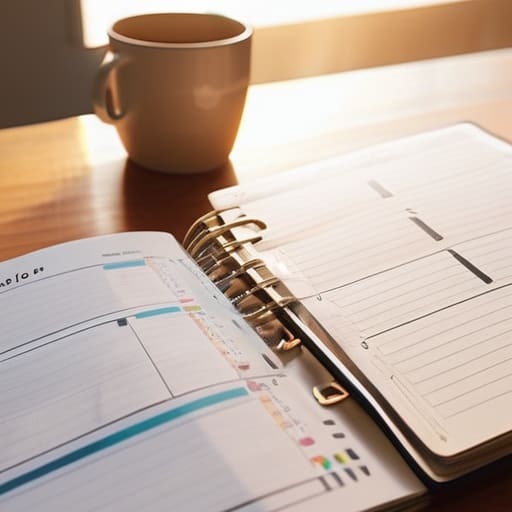
Think of your weekly schedule like a complex sourdough starter; if you don’t feed it consistently and manage the timing, the whole thing just collapses into a sticky mess. When it comes to time management techniques for college, the biggest mistake I see is trying to “cram” everything into one massive block of time. Instead, I’m a huge advocate for time-blocking. Treat your study sessions like non-negotiable appointments in your Google Calendar. If you tell yourself you’re “working on history” from 2:00 to 4:00 PM, you’re much more likely to actually sit down and do it than if you just have a vague intention to “study later.”
Another huge piece of the puzzle is organizing your school workload before it starts feeling like a mountain. I used to wait until I felt “inspired” to start an essay, which is a one-way ticket to a caffeine-induced meltdown. Now, I break every big project into tiny, bite-sized “ingredients.” Instead of writing “Research Paper” on my to-do list, I write “Find three sources for intro.” It makes beating academic procrastination feel less like a battle of wills and more like just following a simple recipe.
Beating Academic Procrastination With Real World Tactics

We’ve all been there: you’re staring at a blank Google Doc, the cursor is blinking like a taunting heartbeat, and suddenly, cleaning your entire room feels way more urgent than that history essay. Honestly, procrastination isn’t usually about being lazy; it’s more like your brain is trying to protect you from something that feels overwhelming. It’s like trying to cook a five-course gourmet meal when you don’t even know where the salt is kept—you just freeze up. To start beating academic procrastination, you have to stop looking at the mountain and just focus on the first few steps.
One of my favorite ways to trick my brain into gear is the “Five-Minute Rule.” Tell yourself you’ll only work on a task for five minutes, and if you want to quit after that, you can. Usually, once the momentum kicks in, the hardest part is over. If you’re struggling to stay on track, I highly recommend looking into some of the best productivity apps for students to help lock your phone or block distracting websites. It’s all about creating a digital environment where your focus can actually thrive instead of constantly fighting for it.
Beyond the Books: 5 Pro-Tips to Keep Your Sanity and Your GPA
- Build a “Deep Work” Sanctuary. Just like you wouldn’t try to bake a delicate soufflé in the middle of a construction zone, you can’t expect to nail a complex essay with TikTok notifications pinging every thirty seconds. Find a specific spot—a corner of the library or a quiet cafe—where your brain knows it’s time to lock in. When you’re there, the phone goes on ‘Do Not Disturb.’ It’s about creating a mental ritual that signals to your brain: “Okay, it’s go time.”
- Use the “Small Batch” Approach to Studying. If you try to swallow a whole gallon of milk in one go, you’re going to end up sick. Studying works the same way. Instead of staring at a 50-page chapter and feeling paralyzed, break it down into bite-sized, manageable chunks. Tell yourself you’ll just tackle five pages, then take a five-minute breather. It makes the mountain feel a lot more like a series of small, easy hills.
- Prioritize Your “Mental Ingredients.” We often focus so much on the task list that we forget the person doing the work. If you’re running on three hours of sleep and nothing but caffeine, your productivity is going to taste pretty bitter. Treat sleep, hydration, and actual meals like the essential ingredients in a recipe; without them, the whole thing falls apart. You can’t produce high-quality work if your own internal battery is at 2%.
- Master the Art of the “Brain Dump.” You know that feeling when you’re trying to sleep but your brain is suddenly reciting every deadline, quiz, and social obligation you have? It’s like having too many browser tabs open at once, slowing down your entire system. Every night (or morning), grab a notebook and just dump everything swirling in your head onto the paper. Once it’s out of your brain and onto the page, you can actually start organizing it instead of just panicking about it.
- Embrace the “Done is Better Than Perfect” Mindset. I see this all the time—students getting so stuck on making the perfect introductory paragraph that they never even get to the body of the essay. Perfectionism is just procrastination in a fancy suit. Write a “shitty first draft.” Get the ideas down, even if they’re messy and unpolished. You can always go back and refine the seasoning later, but you can’t fix a dish that hasn’t been cooked yet.
The Bottom Line: Making it All Stick
Treat your schedule like a recipe—if you try to cram too many ingredients into one pot at once, you’re going to end up with a mess. Stick to one task at a time to keep the quality high.
Don’t wait for “motivation” to strike like a lightning bolt; it’s too unreliable. Instead, build small, repeatable systems that make starting your work feel as automatic as brushing your teeth.
Give yourself permission to fail occasionally. Productivity isn’t about being a robot; it’s about having the tools to get back on track when life inevitably throws a wrench in your plans.
A Little Food for Thought
“Think of your productivity like a slow-cooked stew rather than a microwave meal; you can’t just crank up the heat to finish faster, you have to give the ingredients—and yourself—the time they need to actually simmer into something meaningful.”
Morgan Bennett
The Finish Line is Just the Beginning

Look, I know it feels like you’re trying to juggle ten different flaming torches while riding a unicycle through a crowded cafeteria. We’ve covered a lot today—from tightening up your time management to finally staring down that procrastination monster that lives in your browser tabs. But if you take nothing else away from this, remember that productivity isn’t about becoming a mindless robot; it’s about finding a rhythm that actually works for your unique brain. Whether you’re using the Pomodoro technique or just trying to clear your desk so you can actually see the wood grain, the goal is to stop reacting to your life and start directing it.
At the end of the day, don’t get too caught up in the perfectionism trap. Some days you’ll feel like a productivity god, and other days you’ll probably spend three hours researching the history of the paperclip instead of writing your essay. That’s okay. Life isn’t a perfectly curated recipe; it’s a bit messy, and sometimes the seasoning is off. Just keep showing up, keep tweaking your systems, and be kind to yourself along the way. You’ve got the tools now—so go out there, reclaim your focus, and make it happen. I’m rooting for you!
Frequently Asked Questions
How do I stay productive when my roommates or living situation are constantly distracting me?
Look, we’ve all been there—you’re finally in the zone, and suddenly your roommate decides it’s the perfect time to host a spontaneous taco night or practice the drums. It’s frustrating. Think of your focus like a delicate soufflé; one loud noise and the whole thing collapses. To protect it, you’ve got to build a “sensory fortress.” Invest in some solid noise-canceling headphones and, if you can, find a “third space” like a quiet corner of the library to reclaim your headspace.
I feel like I'm always studying, but I'm not actually absorbing anything—how do I fix my focus?
Honestly, I’ve been there—staring at a textbook for three hours only to realize I’ve just been reading the same paragraph on loop. It’s like trying to bake a cake by just staring at the flour; nothing happens if you don’t actually mix the ingredients. You need active recall. Instead of re-reading, quiz yourself or explain a concept out loud like you’re teaching a friend. If you aren’t engaging, you aren’t learning.
Is it actually possible to balance a part-time job and a full course load without completely losing my mind?
Look, I’ll be real with you: it’s a tightrope walk, and some days you’re going to feel a bit wobbly. It’s definitely possible, but you can’t wing it. Think of it like trying to follow a complex soufflé recipe while someone’s constantly knocking on your kitchen door; you need a strict prep plan and zero distractions. It requires ruthless prioritization and knowing when to say “no” to extra shifts or social outings. It’s tough, but manageable.