Ever walked into a room that felt totally “off,” even though everything looked fine on paper? I used to think that if I just bought the most expensive designer chandelier or some high-tech smart system, my house would suddenly feel like a cozy sanctuary. Instead, I ended up with a living room that felt more like a dentist’s waiting room—harsh, sterile, and honestly, a little bit depressing. It turns out that most of the advice you find online about home lighting tips is either way too expensive or way too complicated, focusing on fancy fixtures rather than how light actually works in a real, lived-in space.
I’m not here to sell you a $500 lamp or a complex wiring overhaul. My goal is to give you the straightforward, practical truth about how to layer light to actually change the vibe of your home without breaking the bank. We’re going to skip the fluff and focus on simple, actionable tweaks—the kind of stuff you can implement this weekend—to make your space feel warmer, more functional, and uniquely yours. Let’s get into it.
Table of Contents
Mastering Layered Lighting Techniques for Real Comfort
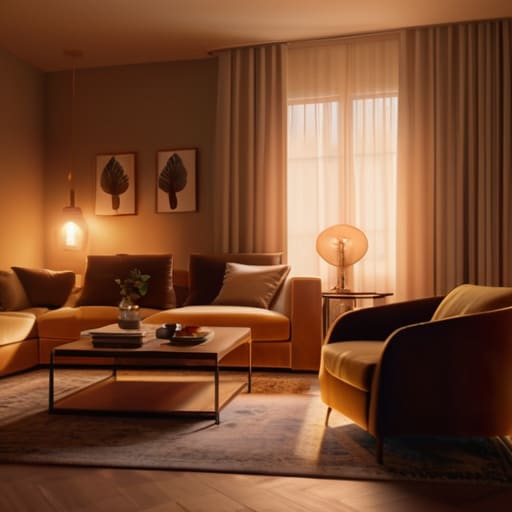
Think of your room like a well-balanced stew. If you just throw in a massive pile of salt, it’s overwhelming; if you have nothing, it’s bland. Lighting works the exact same way. You can’t just rely on one big, bright overhead light—that’s the culinary equivalent of dumping a whole jar of salt into the pot. To get that cozy, “I never want to leave this room” feeling, you need to master layered lighting techniques. This means mixing different sources so you aren’t stuck in a room that feels like a sterile doctor’s office or a dark cave.
Start with your base layer, which I call your “broth.” These are your ambient lighting solutions—the general light that allows you to move around without tripping over the dog. Once that’s set, add your “seasoning” through task lamps for reading or accent lighting for interiors to highlight a cool piece of art. If you really want to level up, I highly recommend installing some dimmers. The dimmer switch benefits are huge; they give you the power to transition your space from a bright, productive morning hub to a mellow, low-key sanctuary as the sun goes down.
The Truth About Warm vs Cool Light Temperature
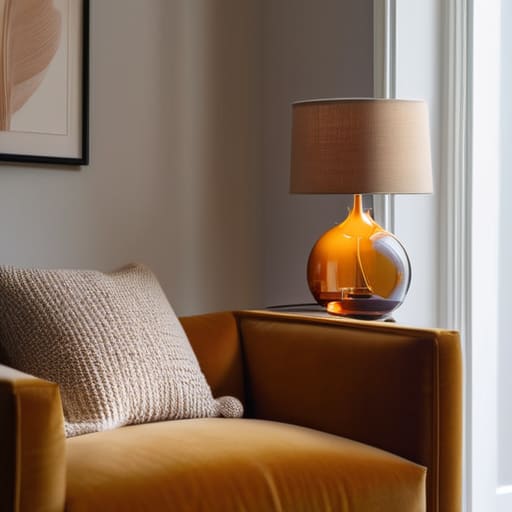
Think of light temperature like seasoning a dish. You wouldn’t dump a tablespoon of ghost pepper flakes into a delicate vanilla custard, right? Lighting is the same way. When we talk about warm vs cool light temperature, we’re really talking about the “flavor” of the room. Warm light (think those cozy, amber tones) is like a heavy, comforting stew—perfect for the living room or bedroom where you want to unwind. Cool light, on the other hand, is more like a crisp, citrusy vinaigrette; it’s sharp, energizing, and keeps you focused, making it the MVP for your home office or kitchen workspace.
The biggest mistake I see people make is trying to use one “flavor” for the whole house. If you blast your cozy reading nook with clinical, blue-toned light, you’re basically killing the vibe. Instead, try to balance your ambient lighting solutions by matching the Kelvin scale to the activity. Use those crisp, cool bulbs when you’re tackling a spreadsheet, but switch to warmer tones the second you transition into relaxation mode. It’s a small tweak, but it makes a massive difference in how your space actually feels.
Five Low-Effort Hacks to Level Up Your Home’s Glow
- Don’t forget the power of dimmers. Think of a dimmer switch like the seasoning in a soup; you wouldn’t dump the whole salt shaker in at once, right? Being able to dial the brightness down during a movie or up when you’re cleaning prevents that “interrogation room” vibe.
- Use smart plugs to automate your routine. I’m a total sucker for tech that makes life easier, and setting your lamps to turn on automatically at sunset is a game-changer. It makes coming home from a long day feel way more welcoming and much less like walking into a dark cave.
- Aim for “task lighting” in the spots that actually matter. If you’re trying to chop veggies in the kitchen or read on the couch, a single overhead light just isn’t going to cut it. Grab a dedicated desk lamp or some under-cabinet LEDs to stop the squinting and save your eyes some stress.
- Check your shadows. We often focus so much on where the light is coming from that we forget what it’s doing to the room. If a light is casting a harsh shadow right over your workspace, try bouncing the light off a white wall or using a shade to diffuse it—it’s like adding a little cream to a spicy sauce to mellow things out.
- Mix up your heights. If all your light sources are at eye level, your room is going to feel flat and a bit boring. Try placing some light low—like a floor lamp in a corner—and some high up. It creates depth and makes your space feel way more intentional and cozy.
Quick Wins for Your Home Lighting
Think of your lighting like a well-balanced recipe; you need a mix of ambient, task, and accent layers to keep the “flavor” of your room from feeling flat or overwhelming.
Don’t get caught in the “hospital vibe” trap—stick to warmer color temperatures for living areas to keep things cozy rather than clinical.
You don’t need a massive renovation to see results; sometimes just swapping a few harsh bulbs or adding a single smart lamp can completely reset the mood of a room.
## The Secret Ingredient
“Think of lighting like seasoning a dish; you wouldn’t just dump a gallon of salt into a soup and call it a day, right? You need layers of flavor to make it work. Lighting is exactly the same—it’s about finding that perfect balance of warmth and brightness so your home feels less like a sterile office and more like the sanctuary you actually deserve.”
Morgan Bennett
Bringing It All Together
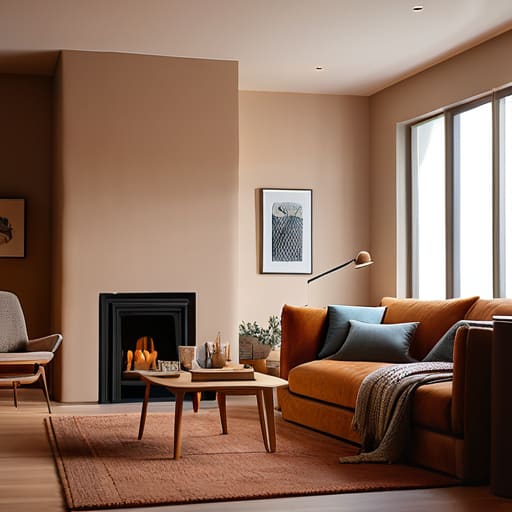
At the end of the day, transforming your space isn’t about buying every expensive designer lamp on the market; it’s about being intentional with what you already have. We’ve walked through how layering your light can prevent that harsh, “interrogation room” feel, and we’ve tackled the science of picking the right color temperature so your living room doesn’t feel like a sterile doctor’s office. Think of it like seasoning a dish—you wouldn’t dump a whole jar of salt into a pot without tasting it first, right? Lighting is the secret ingredient that balances the flavor of your home, turning a collection of furniture into a cohesive, inviting sanctuary. Just remember to start small and test as you go.
I know that diving into home improvement can feel a bit overwhelming, especially when you’re juggling a million other things. But I promise you, once you see the way a soft, warm glow can instantly melt away the stress of a long workday, you’ll wonder why you didn’t do it sooner. Don’t feel like you have to renovate the whole house by next weekend. Just pick one corner, one lamp, or one bulb, and see how it changes your vibe. You’ve got this, and I can’t wait to hear how these little tweaks make your space feel more like home. Let’s keep making life a little brighter, one small step at a time.
Frequently Asked Questions
How do I know which specific light bulb wattage is right for a small room without making it feel like a hospital ward?
Think of wattage like seasoning a dish—too little and it’s bland, but too much and you’ve completely ruined the meal. For a small room, I usually steer clear of high-wattage bulbs that blast everything at once. Instead, look for LED equivalents; a 60-watt equivalent (around 800 lumens) is usually the “sweet spot.” It gives you enough light to actually see your book without turning your cozy nook into a sterile operating room.
Are there any smart lighting hacks that won't break the bank if I'm just starting my DIY journey?
Look, you don’t need to gut your entire house to get that “smart” feel. Think of it like making a gourmet sauce; you don’t need every expensive spice, just a few key ingredients. Start with a couple of smart plugs for your existing floor lamps—it’s dirt cheap and instant magic. Or, grab a single smart bulb for your bedside lamp. It’s a low-stakes way to test the waters without blowing your budget.
Can you explain how to use lighting to make a tiny, cramped apartment feel a bit more spacious?
Think of your apartment like a small batch of sourdough—if you pack it too tight, it won’t rise. To make a cramped space feel airy, stop relying on that single, depressing overhead light. Instead, aim light toward the corners and walls. By washing the perimeter with light, you’re visually pushing the walls back. Adding a few slim floor lamps or even some LED strips under cabinets creates depth that tricks your brain into seeing more room.